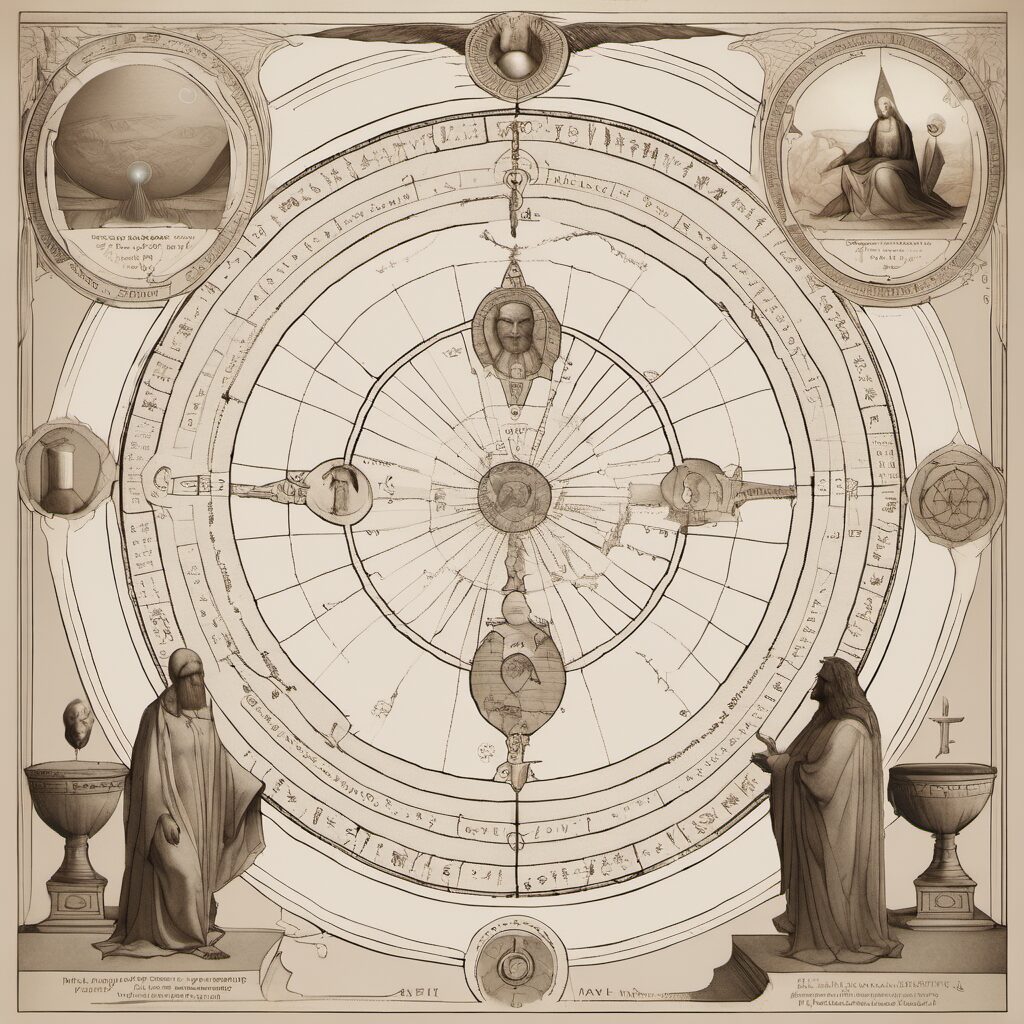
Exploring the Intersection of Technology and Neoclassicism: The Future of Design
The fusion of technology and neoclassicism is giving rise to a new era of innovative design, as designers are pushing the boundaries of what was once thought possible.
- A New Era of Classicism: The revival of classic designs has been fueled by advancements in technology, allowing for the creation of intricate details and precision craftsmanship that were previously unimaginable. As designer Massimo Vignelli notes, “The future belongs to those who can see the invisible.” (Massimo Vignelli’s Official Website)
- Technological Revival: The resurgence of neoclassicism has been driven by technological advancements, which have enabled designers to create complex and intricate designs that were previously unattainable. According to architect Thom Mayne, “The new technology allows us to make the impossible possible.” (Thom Mayne’s Official Bio)
- Revival of Traditional Skills: The fusion of technology and neoclassicism has also led to a renewed focus on traditional skills, such as woodworking, metalworking, and ceramics. As designer Alessi notes, “The future is not about the machines but about the people who use them.” (Alessi’s Official Website)
- The Intersection of Art and Science: The intersection of technology and neoclassicism has also given rise to a new era of interdisciplinary design, where art and science converge. As designer Frank Gehry notes, “The most exciting thing about being an artist is the discovery process.” (Frank Gehry’s Official Website)
“The future belongs to those who can see the invisible.” — Massimo Vignelli
As we move forward into this new era of design, it is clear that technology and neoclassicism will continue to intersect in innovative ways, pushing the boundaries of what was once thought possible. As designers, it is our responsibility to harness the power of technology to create a brighter future for all.