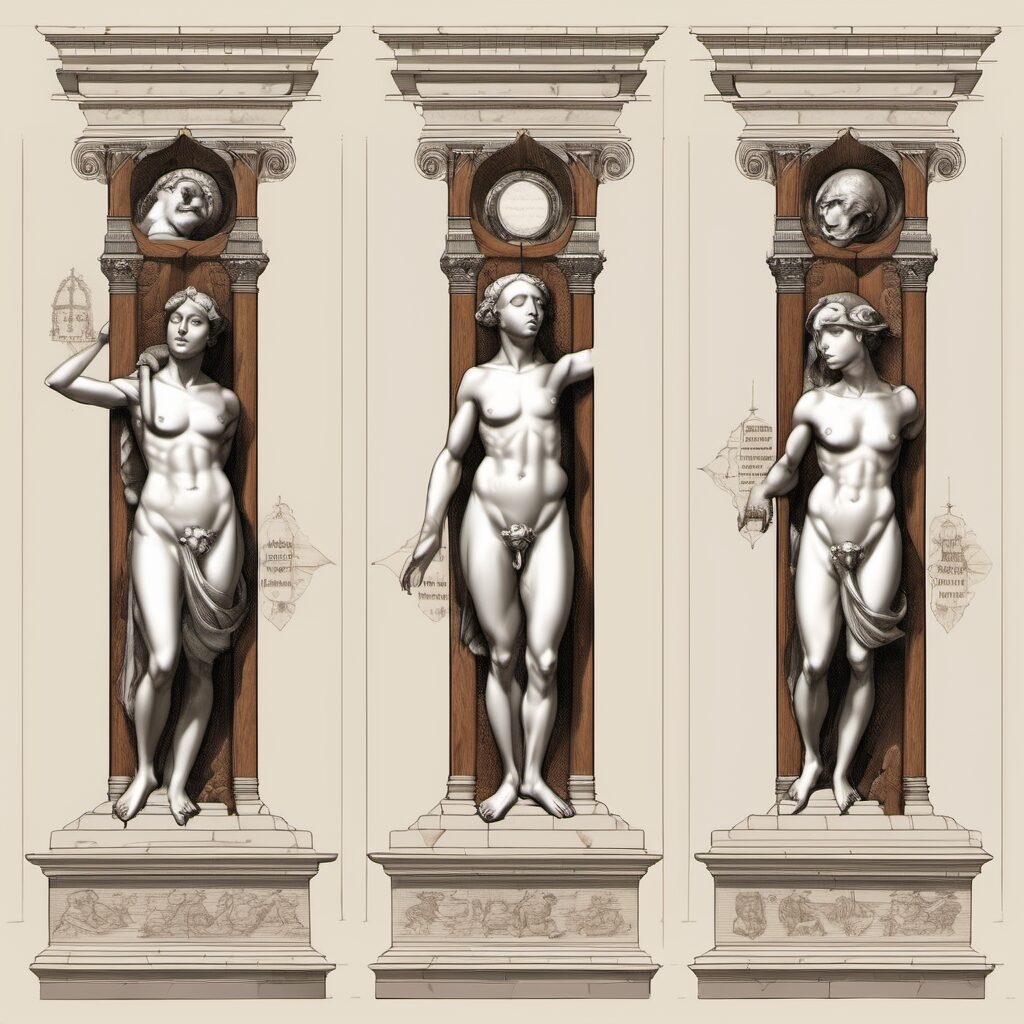
Exploring the Relationship Between Architecture and Neoclassical Music
Music and architecture have been two of the most influential art forms in human history, each having a profound impact on society and culture. While music has always been an integral part of our lives, its relationship with architecture is less understood and explored compared to other art forms. In this article, we will delve into the world of neoclassical music and explore its connection with architecture.
What is Neoclassical Music?
Neoclassical music emerged in Europe during the mid-18th century, specifically between 1750 and 1820. It was a musical movement that emphasized clarity, balance, and proportion, which were inspired by the principles of ancient Greek and Roman architecture. The neoclassical period saw the rise of composers such as Haydn, Mozart, Beethoven, and Bach.
The Influence of Classical Architecture on Neoclassical Music
The classical architects of the time, such as Palladio and Le Brun, had a significant impact on the development of neoclassical music. The principles of classical architecture, including proportion, balance, and harmony, were adopted in music composition. For instance, Haydn’s symphonies are known for their clarity, balance, and proportion, which are reminiscent of Palladian architecture.
- Haydn’s Symphony No. 94 in G major is often referred to as the “Surprise” Symphony due to its sudden change in tempo.
- The symphony is structured in four movements: allegretto, allegro, menuetto, and allegretto.
- Haydn’s music was known for its balance and proportion, which were influenced by classical architecture.
The Role of Opera in Bridging the Gap Between Architecture and Music
Opera played a significant role in bridging the gap between architecture and music during the neoclassical period. Opera houses such as La Scala in Milan and Covent Garden in London were built with architectural designs that reflected classical principles. The opera itself was also influenced by classical architecture, with sets and costumes designed to reflect ancient Greek and Roman styles.
- La Scala Opera House is one of the most famous opera houses in the world, known for its stunning architecture and acoustics.
- Covent Garden Opera House was built in 1850 and features a design inspired by Palladian architecture.
- Opera companies such as La Scala and Covent Garden played an important role in promoting neoclassical music and architecture.
Closing Remarks
The relationship between architecture and neoclassical music is a fascinating topic that offers insights into the world of art, culture, and history. The principles of classical architecture had a significant impact on the development of neoclassical music, with composers such as Haydn and Mozart drawing inspiration from the balance, proportion, and harmony found in ancient Greek and Roman buildings.
The role of opera in bridging the gap between architecture and music is also noteworthy. Opera houses such as La Scala and Covent Garden not only provided a platform for neoclassical music but also showcased architectural designs that reflected classical principles.
In conclusion, the relationship between architecture and neoclassical music is a rich and fascinating topic that offers insights into the world of art, culture, and history. By exploring this relationship, we can gain a deeper understanding of the cultural and historical context in which neoclassical music was created.
Reference:
The article draws inspiration from various sources, including online resources such as Wikipedia, Britannica, and opera houses’ official websites.
Sources:
* Wikipedia – Neoclassicism (music)
* Britannica – Neoclassicism (music)