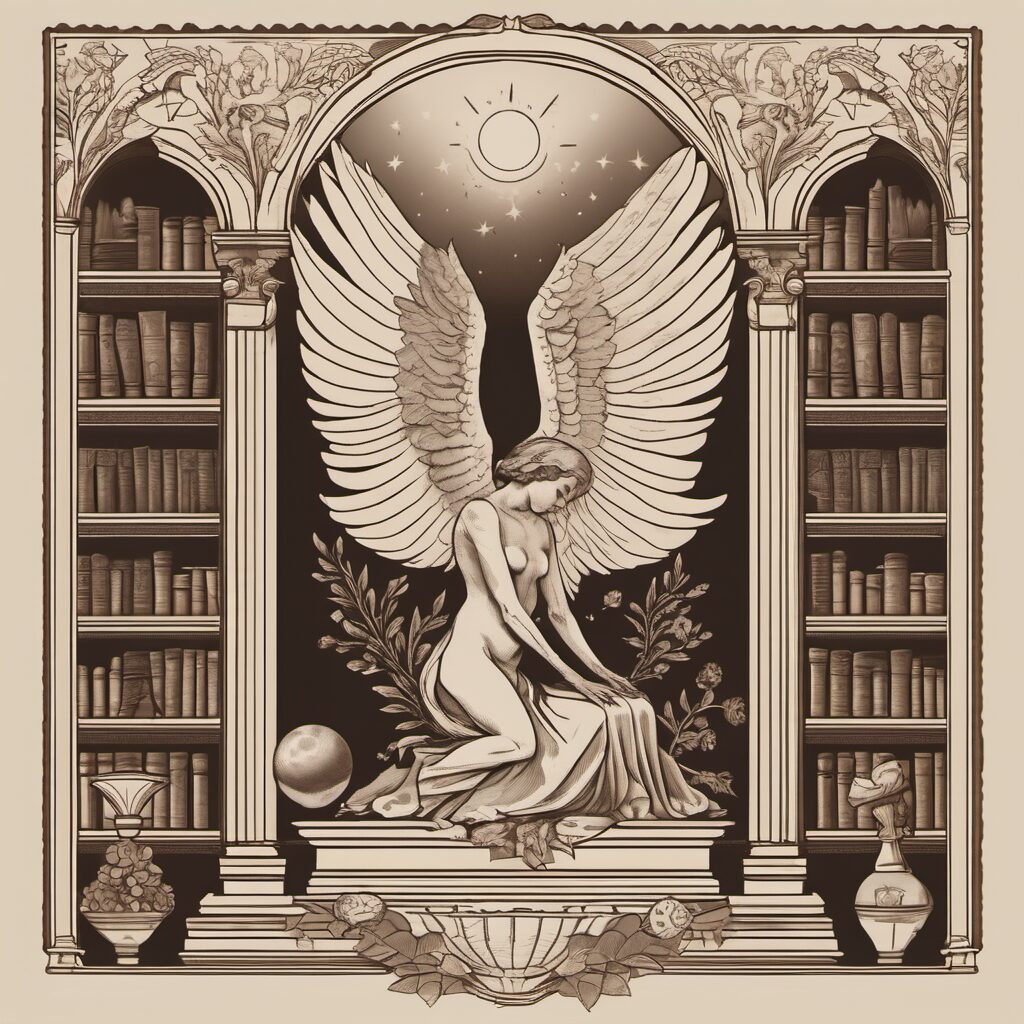
Why Neoclassicism is the Perfect Genre for Fans of Dark Academia
Neoclassicism, a literary genre that emerged in the 18th century, has seen a resurgence in popularity in recent years, particularly among fans of dark academia. But what draws readers to this style of literature, and why is it so well-suited to the themes of dark academia?
Origins and Characteristics
Neoclassicism was born out of a reaction against the excesses of Baroque literature and art, which many saw as decadent and overly ornate. Neoclassicist writers sought to revive the classical ideals of ancient Greece and Rome, emphasizing reason, morality, and restraint. This led to a distinctive style characterized by:
- Classical allusions and references
- Reason and rationality as guiding principles
- Morality and virtue as central themes
- Simplicity and clarity in language
Dark Academia Themes
Dark academia, a subgenre of young adult literature, explores the darker aspects of higher education, including obsession, corruption, and the blurring of moral boundaries. These themes are also present in neoclassicist literature, although they may be expressed in more subtle ways.
- A focus on the pursuit of knowledge at any cost
- The corrupting influence of power and privilege
- The tension between individual ambition and social responsibility
Why Neoclassicism is a Good Fit for Dark Academia Fans
Neoclassicism’s emphasis on reason, morality, and restraint makes it an attractive fit for fans of dark academia. The genre’s classical allusions and references add depth and complexity to stories, while its focus on the pursuit of knowledge and the corrupting influence of power resonate deeply with dark academia themes.
- A more subtle exploration of dark themes
- A greater emphasis on intellectual curiosity and love of learning
Examples of Neoclassicist Literature with Dark Academia Elements
Several neoclassicist works feature elements of dark academia, including:
- The Mysteries of Udolpho by Ann Radcliffe – a foundational text of the Gothic novel, which explores the darker aspects of higher education.
- The Monk by Lawrence Sterne – a satirical novel that critiques the excesses of the Catholic Church and features elements of horror and the supernatural.
- The History of Henry Esquivel by Sir Walter Scott – a historical novel that explores the complexities of power and morality in a Scottish monastery.
Conclusion
In conclusion, neoclassicism’s emphasis on reason, morality, and restraint makes it an attractive fit for fans of dark academia. The genre’s classical allusions and references add depth and complexity to stories, while its focus on the pursuit of knowledge and the corrupting influence of power resonate deeply with dark academia themes.
References
- Radcliffe, A. (1794). The Mysteries of Udolpho. London: Lackington, Hughes, Harding, Mavor & Co.
- Sterne, L. (1774). The Monk: A Romance. London: R. Bell.
- Scott, W. (1817-1831). The History of Henry Esquivel. Edinburgh: Archibald Constable and Co.
© 2023 | This article is available under a Creative Commons Attribution 4.0 International License.
“The main ideas of Neoclassicism were in opposition to the Baroque style.” – Giacomo Borromini