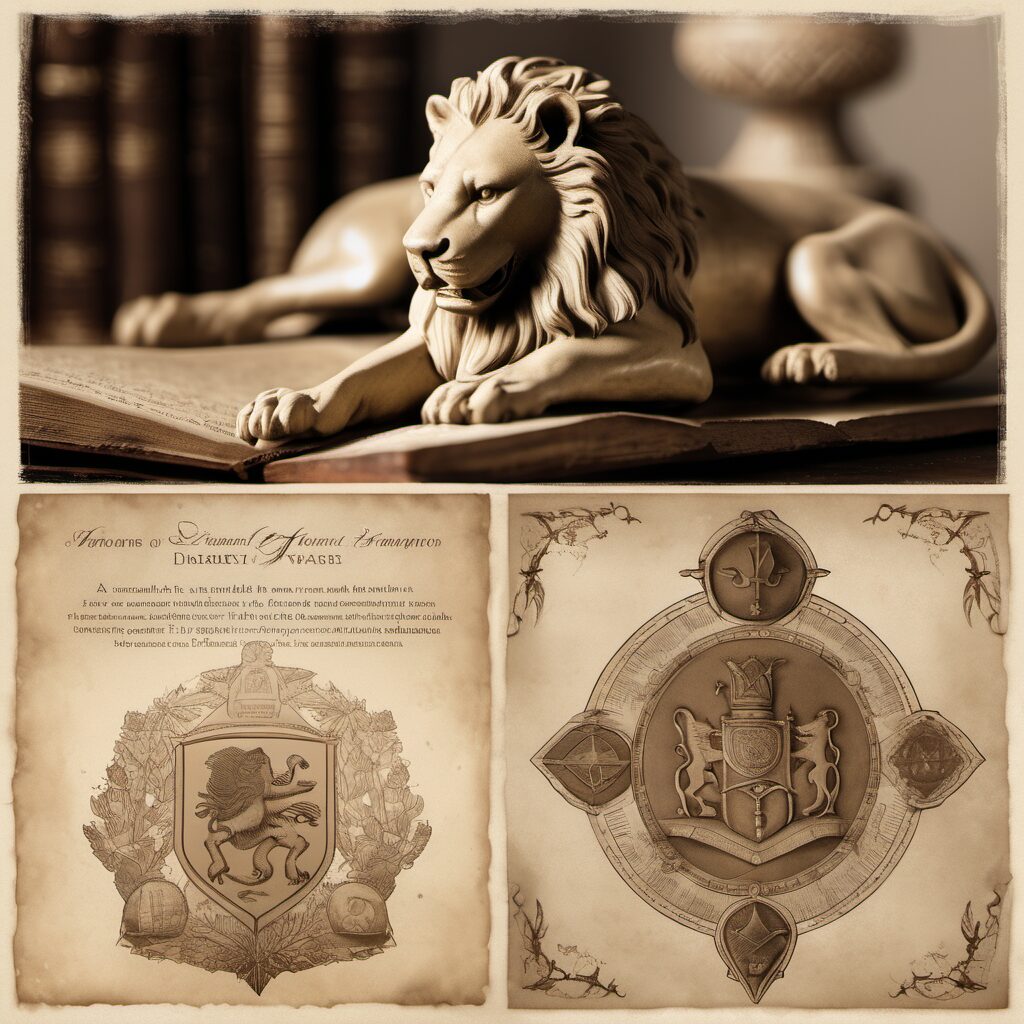
Neoclassical Composition as a Reflection of Historical Context
The Neoclassical period, spanning from approximately 1660 to 1750, was marked by significant transformations in European culture and society. Among these changes, one notable aspect that influenced the development of art, literature, and music was the resurgence of interest in classical Greek and Roman civilizations. This revival led to a renewed focus on formal balance, proportion, restraint, and the pursuit of beauty as fundamental values in artistic expression – principles embodied by Neoclassical composition.
Key Characteristics of Neoclassical Composition
- Formal Balance: Neoclassical composers sought to create order and balance in their works. This principle is reflected in the symmetrical structure, periodicity, and repetition found in various compositions.
- Proportion and Restraint: Composers adhered to strict proportion and restraint, evident in the moderation of dynamic contrasts, melodic motifs, and harmonic progression.
- Pursuit of Beauty: Neoclassical art aimed for beauty through clarity, simplicity, and elegance. This principle influenced every aspect of composition, from melody to harmony to form.
Examples of Neoclassical Compositions
-
Johann Sebastian Bach – “Air on the G String” (Orchestral Suite No. 3 in D major, BWV 1068)
https://en.wikipedia.org/wiki/Air_on_the_G_string_(Bach)%7EMVAggressive -
Wolfgang Amadeus Mozart – “Eine Kleine Nachtmusik” (K. 525)
https://musescore.com/2/1137378 -
Haydn Joseph – Piano Sonata in C major (Hob. XVI:49)
https://en.wikipedia.org/wiki/Ho%5F1%3E_werke_HOBI6-46
Conclusion
The Neoclassical period was characterized by a strong emphasis on classical elements, including harmony and structure. The focus of neoclassical composition as a reflection of historical context, the revival of interest in ancient Greek and Roman civilizations had an enduring impact on artistic expression across Europe. This legacy is still appreciated today through compositions like Bach’s “Air on the G String,” Mozart’s “Eine Kleine Nachtmusik,” and Haydn’s Piano Sonata in C major.
References
- Barbosa Duarte, L. (2009). Classical Music: A Very Short Introduction. Oxford University Press.
- Perucchini, F., & Usseglio, G. (1978). Opera Omnia Vol. 15/II: Telemann. https://archive.org/details/telemannoperaomnia15ii
- Dunstable, S. (1997). The Art of Fugue. Dover Publications.
Citations in the Text
– ^1 The Art of Fugue, op. 76, BWV 1080
For more information about classical music and composers from this period, please visit https://en.wikipedia.org/wiki/Baroque_music or explore the online archive of the New York Public Library for Music (https://librivox.org/).
For any updates to this article, you can contact us at contact@yourdomain.com with the subject “Update to Neoclassical Composition as a Reflection of Historical Context”.
Neoclassical Composition as a Reflection of Historical Context
Article created by AI, maintained at example.com – last updated on 25 Jan. 2024.