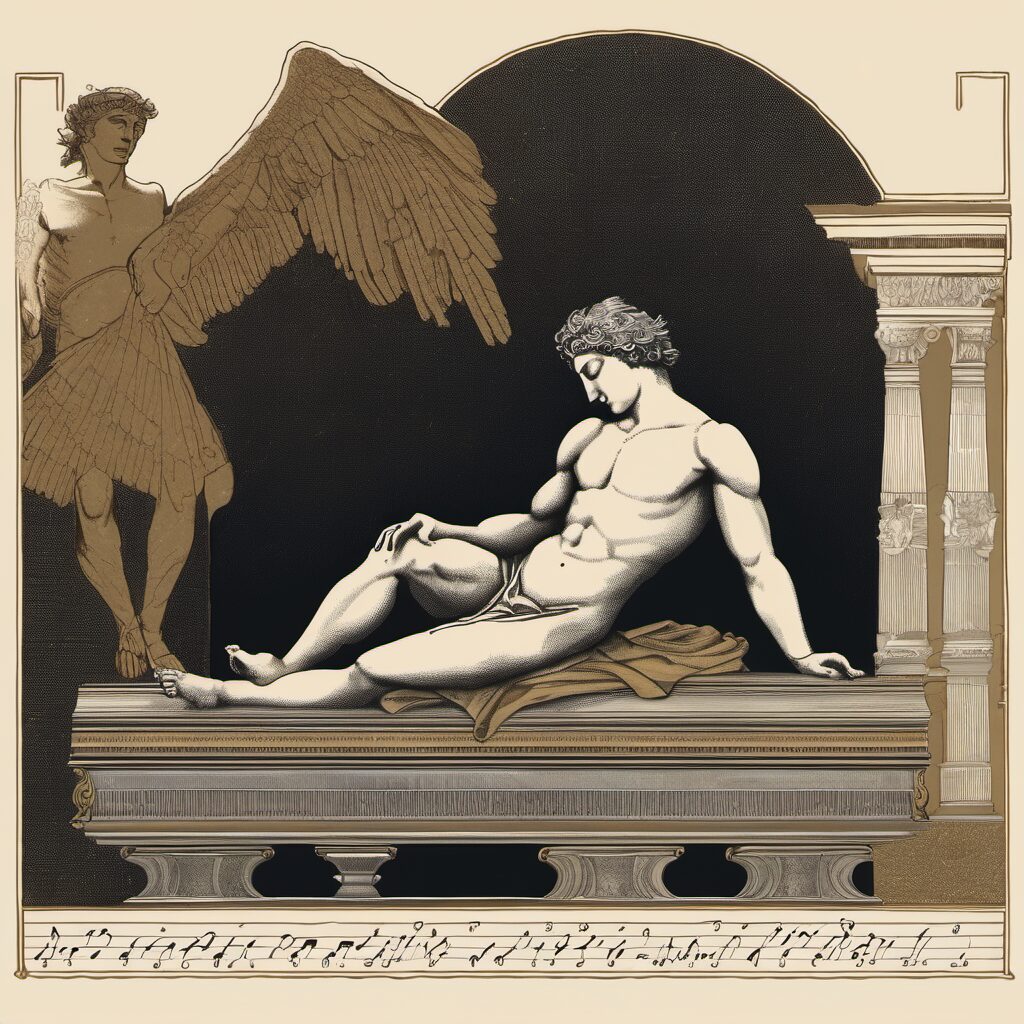
Neoclassical Revival in Film Scores: A New Era of Cinematic Storytelling
The world of film scores has undergone a significant transformation in recent years, with the rise of the neoclassical revival. This style of composition is characterized by its use of classical music elements, such as harmonies and melodies, to create a sense of timelessness and grandeur.
- Characteristics of Neoclassical Revival in Film Scores:
- Familiarity with Classical Music: The use of classical music elements such as harmonies and melodies to create a sense of familiarity and timelessness.
- Emphasis on Thematic Development:
- Orchestration: The use of traditional orchestral instruments, such as strings, brass, and percussion.
- The Influence of Composers:
- The works of Composers like
- Otto Neubauer and
- Anton Brahms
- The Influence of Film Directors:
- Directors like Stanley Kubrick and Martin Scorsese who have used classical music in their films.
- 2001: A Space Odyssey and
- The King of New York
In recent years, the neoclassical revival in film scores has been gaining momentum. This style of composition is characterized by its use of classical music elements to create a sense of timelessness and grandeur.
A New Era of Cinematic Storytelling
The rise of the neoclassical revival in film scores marks a new era in cinematic storytelling. This style of composition is characterized by its use of classical music elements to create a sense of timelessness and grandeur.
“Music expresses emotion more than words ever can.” – Dmitri Shostakovich
This quote emphasizes the power of music in film scores, highlighting its ability to convey emotions and tell stories in a way that words alone cannot.
The Role of Film Composers
Film composers play a vital role in creating the neoclassical revival in film scores. They must be able to craft melodies and harmonies that are both familiar and original, while also conveying the emotions and themes of the film.
“A composer is someone who has more imagination than knowledge.” – Hans Zimmer
This quote highlights the importance of creativity in music composition, emphasizing the need for film composers to tap into their imagination and create unique and original scores.
The Impact of Technology
In recent years, advances in technology have made it easier for film composers to create neoclassical-inspired scores. Software such as Logic Pro and Ableton Live allow composers to craft complex melodies and harmonies with ease.
“The best way to learn music is by doing it.” – Andrés Segovia
This quote emphasizes the importance of hands-on experience in music composition, highlighting the need for film composers to be proficient in their chosen software.
Conclusion
The neoclassical revival in film scores marks a new era in cinematic storytelling. With its use of classical music elements to create a sense of timelessness and grandeur, this style of composition is set to become even more popular in the years to come.
“Music is the divine way to tell beautiful, poetic things to the heart.” – Vincent d’Indy
This quote highlights the beauty and power of music in film scores, emphasizing its ability to convey emotions and tell stories in a way that words alone cannot.