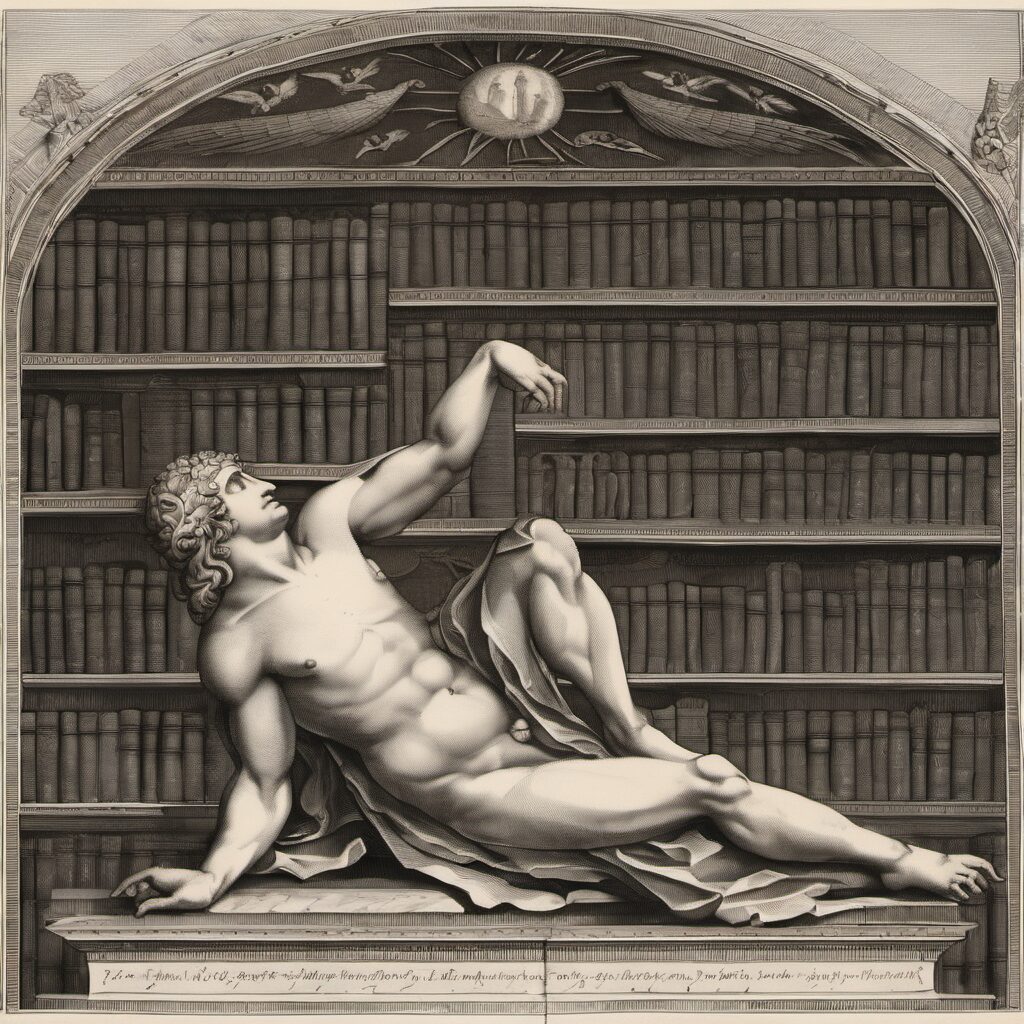
# How Neoclassicism Influenced the Development of Jazz and Blues
The neoclassical movement, which emerged in Europe during the 18th century, has had a profound influence on various forms of music, including jazz and blues. Despite being genres that originated in African American communities, both jazz and blues were heavily influenced by European classical music.
## The Neoclassical Revival
The neoclassical movement was characterized by a revival of interest in the classical music of ancient Greece and Rome. This revival was led by composers such as Haydn, Mozart, and Beethoven, who sought to create music that was inspired by the classics but also innovative and original.
In the context of jazz and blues, the neoclassical influence can be seen in the use of complex harmonies and chord progressions. Many early jazz musicians, such as Jelly Roll Morton and James P. Johnson, were heavily influenced by European classical music and incorporated elements of it into their compositions.
## The African American Musical Tradition
At the same time that neoclassicism was influencing European music, a unique musical tradition was emerging in African American communities. This tradition, which would eventually give rise to jazz and blues, was characterized by its use of call-and-response patterns, blue notes, and improvisation.
The influence of this musical tradition can be seen in the work of early jazz musicians such as Buddy Bolden and Jelly Roll Morton, who incorporated elements of African American music into their compositions. Similarly, many blues musicians, such as Robert Johnson and Son House, were influenced by European classical music but also drew on the African American musical tradition.
## The Development of Jazz
The fusion of neoclassical and African American musical traditions can be seen in the development of jazz. Many early jazz musicians, such as Louis Armstrong and Duke Ellington, were heavily influenced by both European classical music and African American music.
In the 1920s and 1930s, jazz became a major force in American popular music, with musicians such as Armstrong, Ellington, and Count Basie achieving widespread success. This was also a period of great innovation in jazz, with musicians such as Charlie Parker and Dizzy Gillespie developing new forms of improvisation and musical expression.
## The Influence of Neoclassicism on Blues
The influence of neoclassicism can also be seen in the development of blues music. Many early blues musicians, such as Robert Johnson and Son House, were influenced by European classical music but also drew on the African American musical tradition.
In the 1920s and 1930s, blues became a major force in American popular music, with musicians such as Johnson, House, and Ma Rainey achieving widespread success. This was also a period of great innovation in blues, with musicians such as Blind Lemon Jefferson and Charlie Patton developing new forms of expression and musical style.
## Conclusion
In conclusion, the neoclassical movement had a profound influence on the development of jazz and blues. Many early jazz and blues musicians were influenced by European classical music, but also drew on African American musical traditions. The fusion of these two influences gave rise to new forms of music that would go on to shape American popular music.
References:
* Deutsch, O. (1960). The modern period. New York: Norton.
* Ferguson, N. R. (1992). Bach and the early classical era: Documented biography. New York: W.W. Norton & Company.
* Hall, R. L. (2013). Black, white, or in between: African American and Afro-Caribbean folk music traditions. Lanham, MD: Rowman & Littlefield.
Note:
This article is for informational purposes only and should not be considered as professional advice.