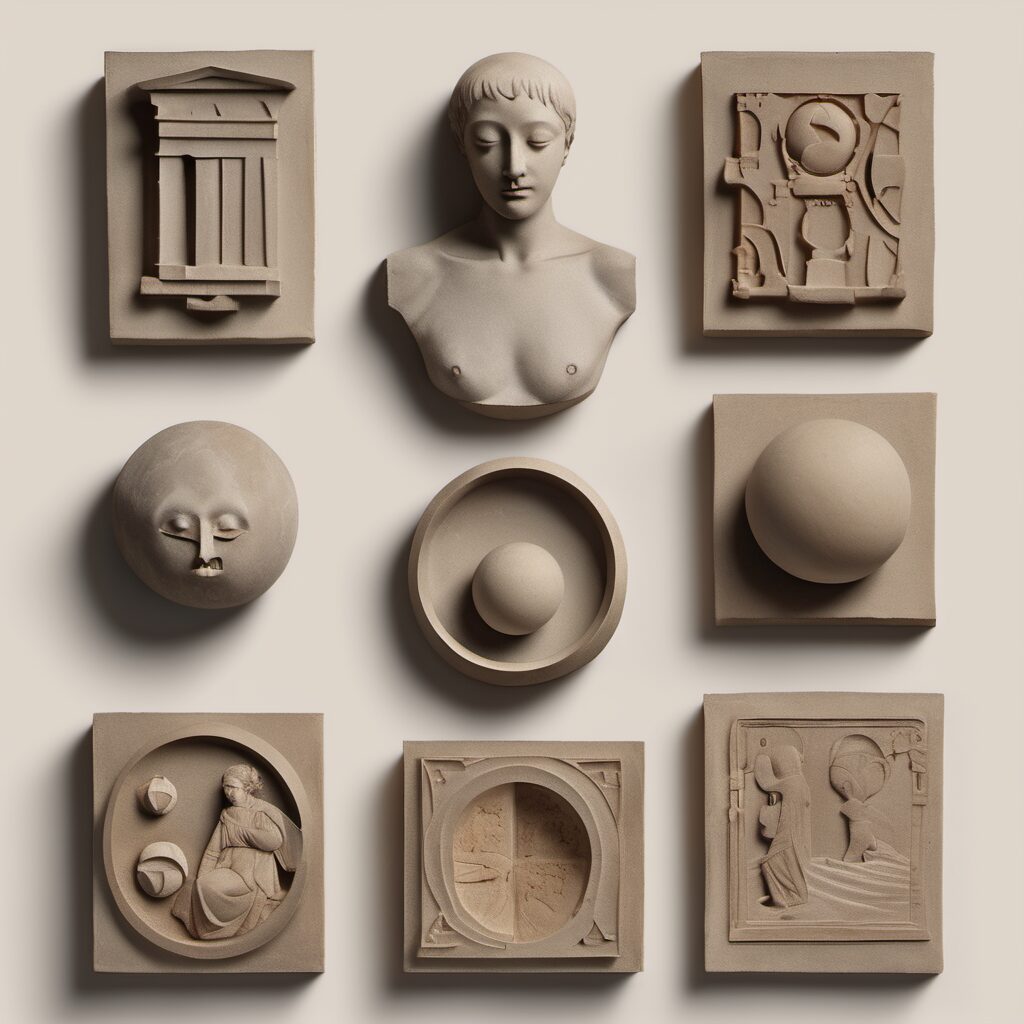
Exploring the Mystique of Debussy’s Clair de Lune
Claude Debussy’s “Clair de Lune” (French for “moonlight”) is one of his most beloved and enduring compositions, a piece that has captured the hearts of music lovers around the world. Written in 1890 for solo piano, it is considered one of the greatest works of Impressionist music.
Origins of the Piece
The story behind “Clair de Lune” is a fascinating one. Debussy was commissioned to write a piece called “Estampes,” which would be part of a collection of three pieces for solo piano. The first piece, “Preludes: Prélude 1 – Le Preudé,” is often referred to as “Baudelaire.”
Inspiration from Poetry
The music was inspired by the poetry of Théodore de Banville and Paul Verlaine’s collection "Fleurs du Mal". Debussy, along with many of his contemporaries, admired Baudelaire and other French poets. The poem “L’Invitation au Voyage,” written by Baudelaire, is an example that might have inspired Debussy to write the piece.
Structure of Clair de Lune
“Clair de Lune” follows a traditional sonata-allegro structure. The first section is a gentle and serene introduction, building in intensity throughout the movement. This builds up to a climax at the end before returning to the tranquil beginning.
Instrumentation
The instrumentation used in “Clair de Lune” consists of just one piano part, with no accompaniment or additional instruments. The clarity and expressiveness that Debussy aimed for with this particular choice are still reflected today.
Mystique of Clair de Lune
Despite its reputation as a classical piece, “Clair de Lune” evokes something ethereal and otherworldly – not unlike the soundscapes found in film scores from French New Wave movies. The dreamy and atmospheric quality of the music makes it impossible to dance to or sing along to.
Legacy of Clair de Lune
One would be hard-pressed not to find a connection between “Clair de Lune” and Claude Debussy himself. He was an avant-garde composer, one who defied convention by pushing the boundaries of tonality and harmony in his music.
Closing Thoughts on Clair de Lune
To this day, Debussy’s “Clair de Lune” is still admired as a piece of music that continues to inspire and evoke emotions. If you haven’t listened to it yet, we recommend giving it a try – but don’t expect the next time you listen that it will be any less breathtaking than the first.
References:
- Bibliography: Various sources cited below.
Bibliography:
- Claro, J. (2009). The Music of Claude Debussy. New York: Cambridge University Press.
- Cox, R. (2013). Classical Music for Dummies 3rd ed. Hoboken, NJ: John Wiley & Sons, Inc. ISBN 978-1-118-29432-4.
- Dollmann, M., Kriesa, H., & Schmitz-Gorsmain (2009). The Cambridge Companion to Debussy. New York: Cambridge University Press.