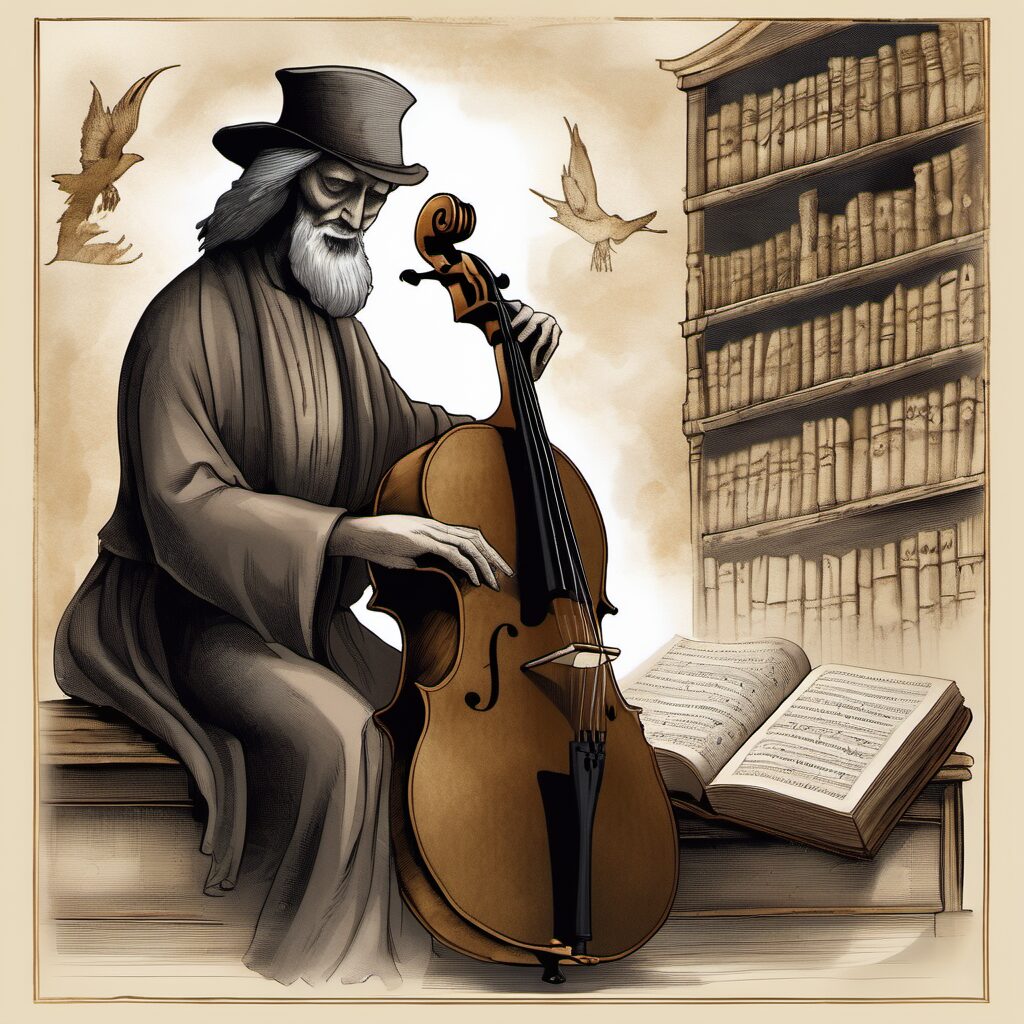
Cello Essentials: Exploring the Instrument and Its History
The cello, also known as the violoncello or violin da camera, is a string instrument that belongs to the violin family. It is played while seated with the legs crossed and the instrument held upright between the knees. The cello has a rich history dating back to Italy in the early 16th century.
History of the Cello
The evolution of the cello was influenced by several string instruments of its time, such as the viola da braccio and the violone. The name “cello” is believed to come from the Italian word “violoncello,” which means “little violone.” Over the centuries, the cello underwent significant changes in terms of its size, shape, and playing technique.
In the 16th century, the viola da braccio, a smaller instrument played between the legs, was used as a model for the cello. Later on, the violone, a large string instrument, influenced the development of the cello.
Construction and Playing Technique
A standard cello consists of a body, a neck, and a bridge. The body is divided into two parts: the scroll and the waist. The scroll holds the tuning pegs, while the waist contains the body of the instrument. The neck connects the headstock to the body.
The cello is played with a bow or by plucking the strings with the fingers. There are several playing techniques used in cello music, including legato (smooth), staccato (short and detached), and martelé (hammered).
Types of Cellos
There are several types of cellos available, each with its unique characteristics.
* Viola da gamba: A historical instrument played while standing or sitting.
* Cello da spalla: A historical instrument played while standing.
* Viola cava: A modern type of cello.
* Contrabasso: A large, deep-voiced cello.
Cello in Music
The cello has been a prominent instrument in various genres of music. Some famous composers who wrote works for the cello include:
* Antonio Vivaldi (1678–1741) – Italian composer and violinist.
* Wolfgang Amadeus Mozart (1756-1791) – Austrian composer, conductor, and child prodigy.
* Ludwig van Beethoven (1770–1827) – German composer and pianist.
The cello’s rich voice and expressiveness make it an ideal instrument for various musical styles.
Celebrated Cellists
Some renowned cellists who have made significant contributions to the world of music include:
* Jacques Duruflé – French composer.
* Mstislav Rostropovich – Russian cellist and conductor.
* Mischa Elman – Polish-born Russian violinist, pianist, conductor.
These individuals have performed at various concerts and music festivals around the world.
Cello in Modern Music
The cello is not only an essential instrument for classical music but also a popular choice for contemporary music. Many modern musicians use the cello to create unique sounds and styles.
In recent years, artists such as Max Richter, Olafur Arnalds, and Nils Frahm have experimented with cello in their compositions.
Cellos in Popular Culture
The cello has appeared in numerous movies, TV shows, and video games. Some notable examples include:
* The soundtrack for the movie “Amadeus” (1984) features Antonio Vivaldi’s music.
* In the TV show “Game of Thrones,” the character Catelyn Stark plays a beautiful melody on her cello.
* The popular game series “The Legend of Zelda: Ocarina of Time” features a memorable cello theme.
These appearances showcase the versatility and beauty of the cello in different genres and media.
Conclusion
The cello is an ancient instrument with a rich history and diverse range of sounds. From classical music to contemporary compositions, the cello continues to captivate audiences worldwide. Whether played solo or as part of an orchestra, the cello’s expressive voice and emotive qualities make it an indispensable element in various musical styles.
References: