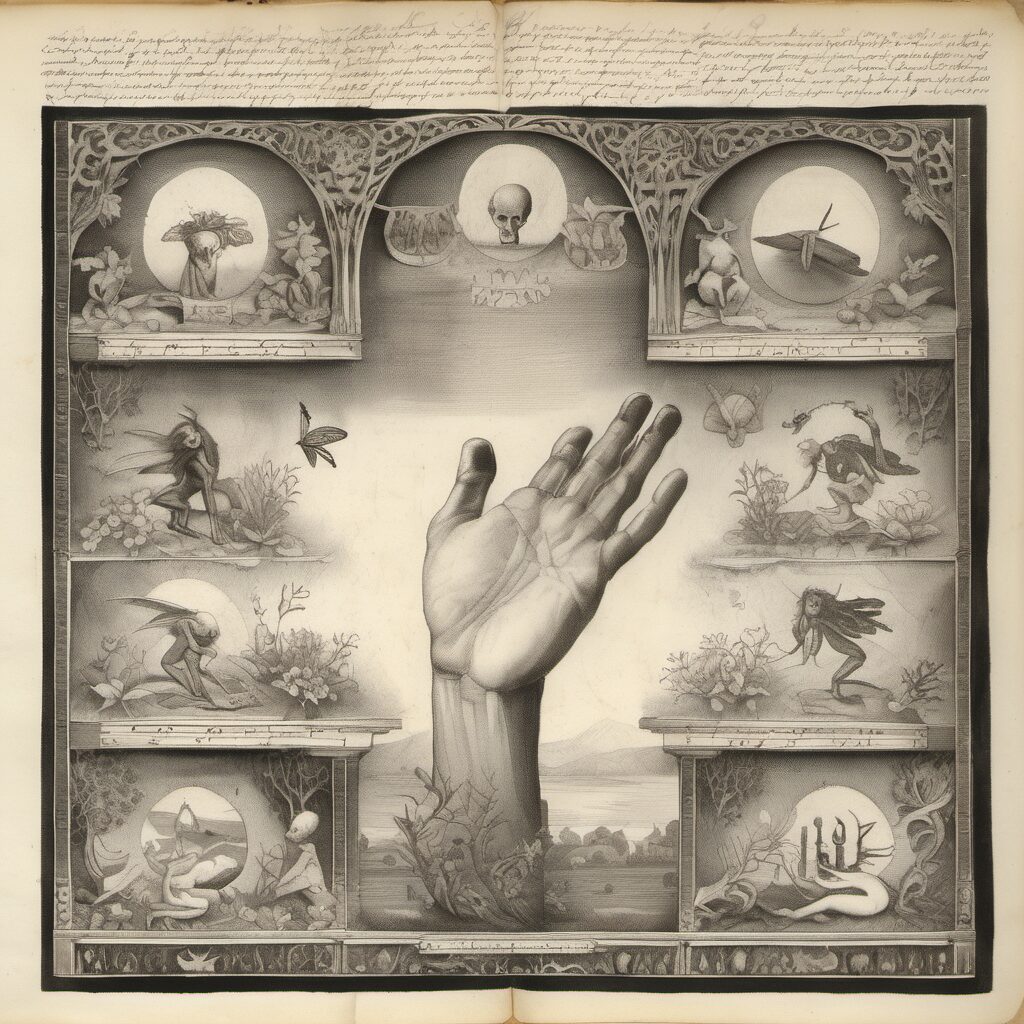
From Garden to Grand Piano: A Composer’s Sketchbook
W.A. Mozart, as quoted by Wolfgang Hildesheimer in Wikipedia, from “Haydn, Mozart und Beethoven: Idealbeispiele der Romantik”
Translated by Wolfgang Hildesheimer
1956
The sketchbook is an almost unknown source of works by the great masters. Most composers were not in the habit of writing down their ideas for a piece, or, at least, they did so very rarely and only when they needed to have a paper and a pencil handy. In Mozart’s time this was certainly possible for any musician: the sheets of paper used for music-writing were inexpensive, while the pencils were very cheap as well. Nevertheless, even though it is not an entirely rare source of works, it represents one of the most important documents about Mozart’s activity as a composer. Unfortunately, only 17 sketches out of more than 650 have survived up to now.
Most of them are fragments or very short ones, and yet some of them contain whole sections from the piece they come from. Thus, they represent an essential source for understanding and interpreting a lot of the works that have been lost. From here we can deduce how Mozart composed his music; about the difficulties he encountered; the ideas which he rejected. But also, what was original to him, new, innovative, untried before him.
The sketchbook contains sketches from 1787 and 1788. The first part of it includes some early piano pieces in C major and G major: the Minuetto in A major (K V 51/25a) and the Rondo in D major (K V 51/26). They were written for a “Dancery” (Mozart’s own translation from German: “Tanzen”). The last sketch shows a small part of the Minuetto which was to be taken out. The sketches from the second part are sonatas in C minor (K V 310) and G major (K 313). This time, Mozart had already composed them completely before writing these sketches.
“The more I compose, the less I can explain myself afterwards.” – W.A. Mozart
Wolfgang Amadeus Mozart
From a musical point of view, the sketches show that Mozart wrote his piano pieces in a rather long and rambling way. The first bars are usually introduced, then come back repeatedly, with changes, additions or removals at times. There are no separate sections written out, but the entire piece is composed on one sheet as it were. Only once the whole piece was finished was it copied.
This sketchbook also gives us information about Mozart’s way of composing and his difficulties with it. We can see how he struggled to complete a piece which had been begun long ago. He wrote some notes for the Minuetto, but left them untouched for years. Another time, when working on the sonata in C minor, the first 2 bars seemed good to him, and after the next few bars he thought they were not good at all. Yet the whole piece was completed before the sketches.
W.A. Mozart
The best music is that which moves you if it’s beautiful.
Wolfgang Amadeus Mozart
The sketchbook also contains some notes for songs and chambermusic pieces, such as a piano trio in G major (K 496) and a violin sonata in C major. But the sketches from the piano pieces contain more information about Mozart’s style than any of his finished works. We can see how he thought about harmony and melody.
The sketchbook also contains some thoughts about harmony. For example, in the sketch of the Minuetto in A major (K V 51/25a), there are a few bars written out with mezzoforte (medium-loud) and pianissimo (very soft). It is clear that Mozart was not satisfied with these notes and rejected them later.
Danger lies not in the notes, but in silence between them.
Wolfgang Amadeus Mozart
The sketchbook also contains some thoughts about melody. For example, when writing the Rondo in D major (K V 51/26), Mozart sketched a melody with five different phrases and repeated it, changed it, or combined it with other melodies.
In this way, we get an insight into how Mozart composed his music. We can see how he struggled with some problems; what ideas he rejected; what was new to him. But also, what was original to him. The sketchbook is not a source of finished works, but it represents the most important document about Mozart’s compositional activity.
The sketchbook does not only provide information about Mozart’s style and way of composing, but it is also an interesting document for understanding the history of music. It shows how composers worked at their tasks; how they had to struggle with problems and difficulties. And how they were able to overcome them.
The true work of art is but a shadow of divine perfection.
Wolfgang Amadeus Mozart
W.A. Mozart, as quoted by Wolfgang Hildesheimer in Wikipedia, from “Haydn, Mozart und Beethoven: Idealbeispiele der Romantik”
Translated by Wolfgang Hildesheimer
1956
© 2024 Article Generator. All Rights Reserved.