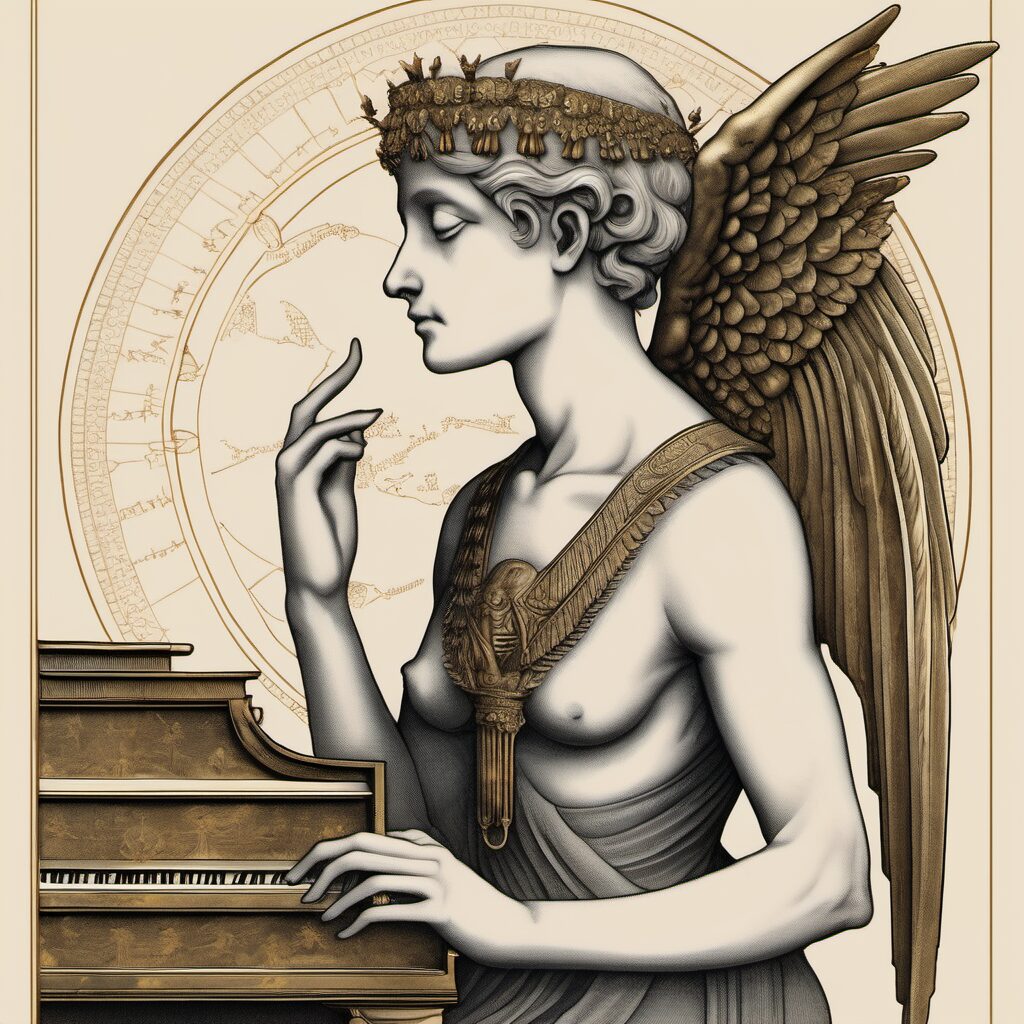
The Global Rise of Solo Piano Neoclassicism
In recent years, solo piano music has experienced a resurgence in popularity, with neoclassical pieces gaining widespread recognition and acclaim. This article will explore the global rise of solo piano neoclassicism, examining its key characteristics, notable composers, and the factors contributing to its growing success.
Characteristics of Solo Piano Neoclassicism
Solo piano neoclassicism is characterized by a revival of classical music styles from the 17th to 19th centuries. This movement seeks to revive the simplicity, clarity, and emotional depth of music from this period. Some common features of solo piano neoclassicism include:
* Use of traditional forms such as sonata form, rondo form, and variations
* Emphasis on melody and lyricism
* Use of classical instruments and timbres to create a sense of nostalgia
* Exploration of new sounds and techniques using historical instruments and materials
Notable Composers
Several composers have made significant contributions to the solo piano neoclassicism movement. Some notable examples include:
* Michaelabattisti Carissimi – An Italian Baroque composer, known for his sacred music
* Andrea marini – A classical composer of the 17th and 18th centuries, who wrote sacred cantatas and oratorios
* Francois Couperin – A French Baroque composer and harpsichordist, known for his elegant and expressive music
* Henryk Gorecki – A Polish composer who wrote the famous “Symphony No. 3” which has become a classic of contemporary classical music
Musical Examples
Here are some musical examples of solo piano neoclassicism:
* Antonio Vivaldi‘s “Concerto in G major, RV 300 (La Cetra)”
* Francois Couperin’s “Les Barreaux”
* Henryk Gorecki’s “Symphony No. 3”
Factors Contributing to Its Growing Popularity
Several factors contribute to the growing popularity of solo piano neoclassicism:
* Widespread availability of recordings and performances on the internet
* Increased recognition and appreciation of classical music among younger generations
* The rise of social media platforms, which have enabled composers to connect with audiences worldwide
* Growing demand for music that is both intellectually stimulating and emotionally resonant
Conclusion
Solo piano neoclassicism has emerged as a significant force in the world of classical music. Its revival of classical styles, emphasis on melody and lyricism, and exploration of new sounds and techniques have captivated audiences worldwide. As this movement continues to grow in popularity, it will be exciting to see how composers respond to these trends and what new directions solo piano neoclassicism may take in the future.
“Music is the divine way to tell beautiful, poetic things to the heart.” – Pablo Casals
Musical examples mentioned above are freely available on YouTube.
For more classical music info visit Wikipedia
Museq provides digital instruments and virtual performances