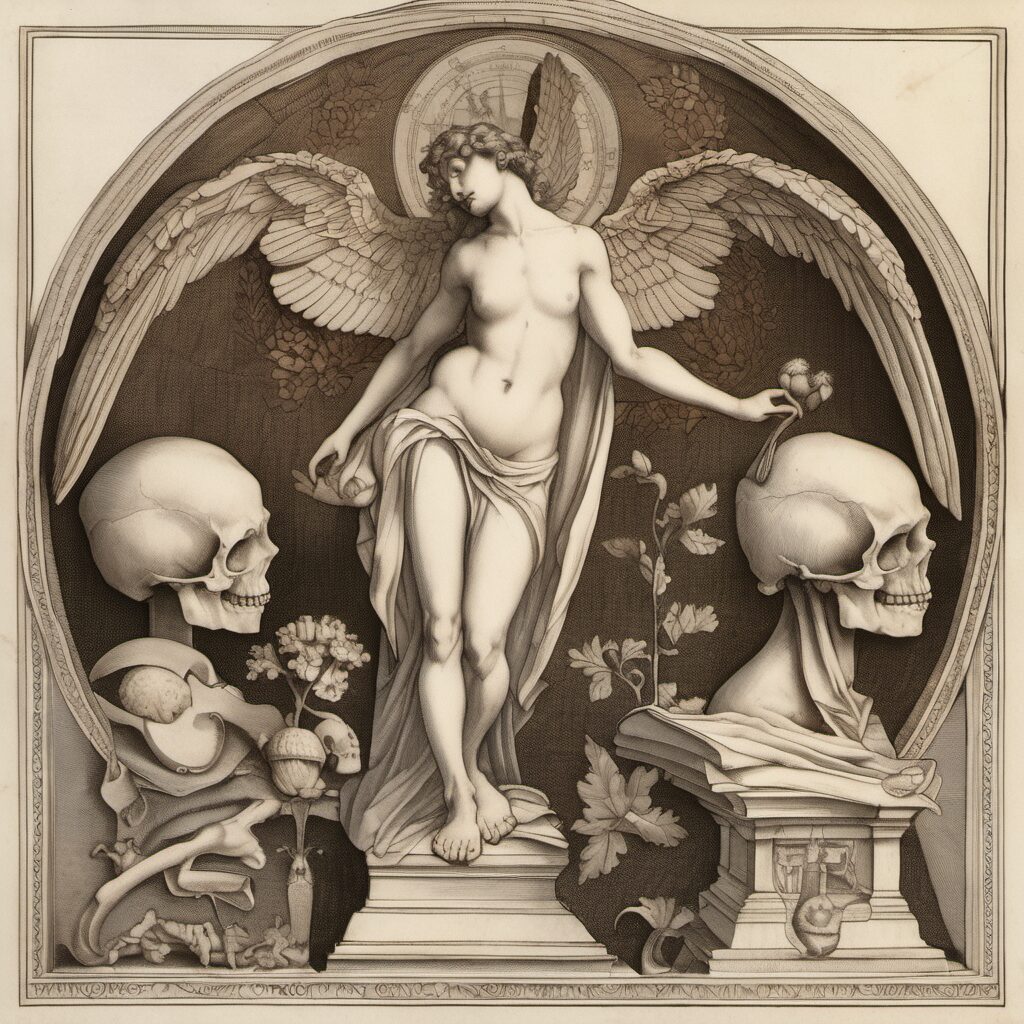
Neo-Baroque in Bloom: A Subset of Neoclassicism
Introduction
Neoclassicism, a movement in art and architecture that emerged in 17th century Europe, emphasized simplicity and restraint in the design of buildings. Neo-Baroque, on the other hand, blended elements of both neoclassical and baroque styles to create a unique aesthetic.
A Subset of Neoclassicism
Neo-Baroque is a subset of neoclassicism that emerged in the 18th century. It is characterized by the use of classical elements, such as columns and pediments, but with a more ornate and decorative twist than traditional neoclassicism.
Characteristics
- Use of classical elements, such as columns and pediments
- Emphasis on ornamentation and decoration
- Blending of styles, combining elements of baroque and neoclassicism
Examples
Some notable examples of Neo-Baroque architecture include the Palace of Versailles in France and the Royal Palace of Madrid in Spain.
Conclusion
In conclusion, Neo-Baroque is a subset of neoclassicism that combines classical elements with ornate decoration. It is characterized by its use of columns and pediments, emphasis on ornamentation, and blending of styles.
References
- The Oxford Handbook of Neoclassical Art and Architecture (2015)
- The Baroque Period: A Very Short Introduction by John Dowson (2007)
- Neoclassicism on Wikipedia