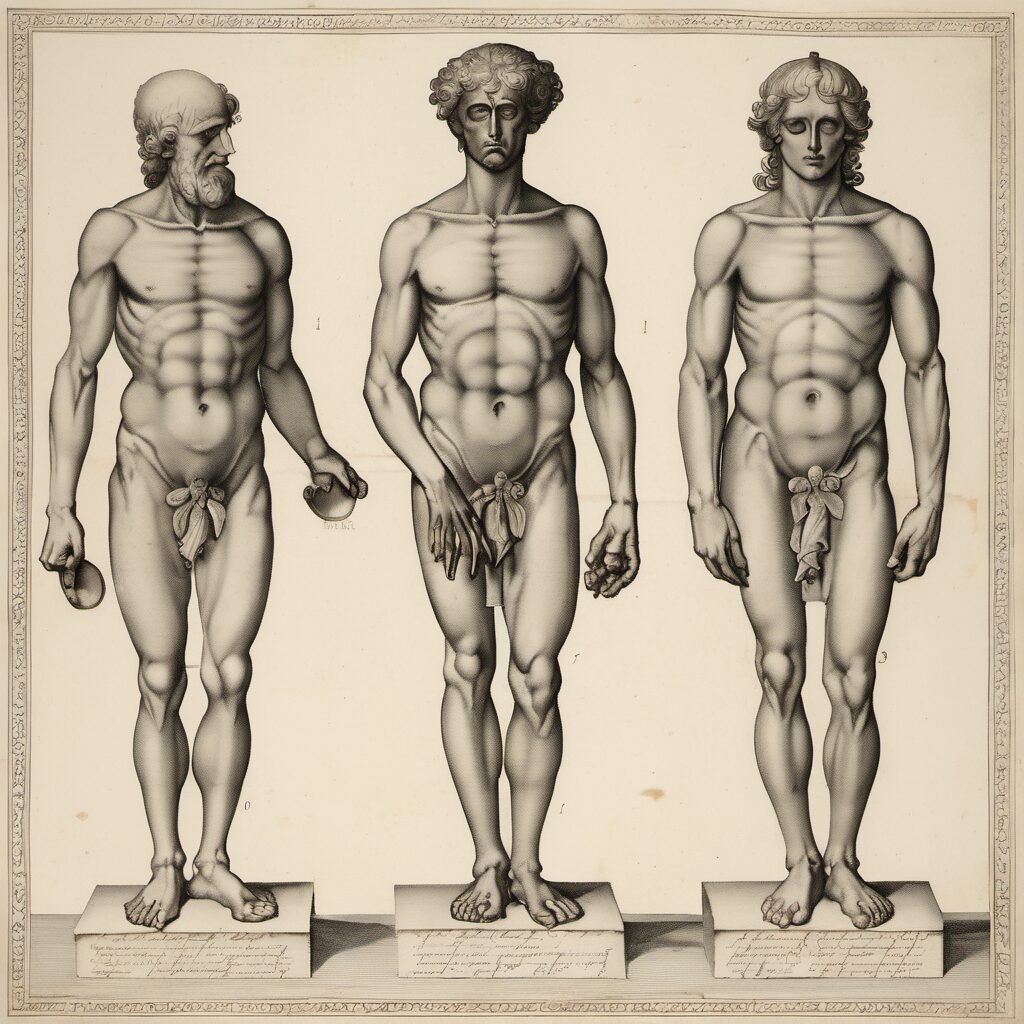
Neoclassicism vs. Late Romanticism: A Study in Contrast
Introduction
In the realm of art and literature, there exist two distinct styles that have captivated audiences for centuries – Neoclassicism and Late Romanticism. These movements have been debated among scholars, with each seeking to understand the essence of these opposing ideologies. This article aims to explore the key characteristics of both movements, delving into their histories, philosophies, and notable artists.
Neoclassicism (17th-19th century)
History and Philosophy
Neoclassicism emerged as a reaction against the expressive and emotive qualities of Baroque art. This movement sought to revive the classical ideals of ancient Greece and Rome, emphasizing order, balance, and restraint. Neoclassicist artists, such as Jacques-Louis David, aimed to create works that were dignified, moral, and intellectually stimulating.
- Key characteristics: simplicity, balance, proportion, restraint
- Influenced by ancient Greek and Roman art and literature
Notable Artists: Neoclassicism
Gustav Klimt – Austrian painter known for his works that blended historical references with Symbolist elements.
Raphael – Italian painter and poet celebrated for his harmonious and balanced compositions.
Late Romanticism (late 19th century)
History and Philosophy
Late Romanticism was a reaction against the grandiose and dramatic qualities of early Romanticism. This movement emphasized the individual’s emotional experience, exploring themes such as melancholy, introspection, and the sublime. Late Romantics like Richard Wagner sought to create works that were intense, personal, and expressive.
- Key characteristics: emphasis on the individual’s emotional experience, exploration of the human psyche
- Influence of German idealism and the rise of nationalism
Notable Artists: Late Romanticism
E.T.A. Hoffmann – A German Romantic writer known for his fantastical and psychological stories.
Richard Wagner – German composer who revolutionized opera with his dramatic and expressive works.