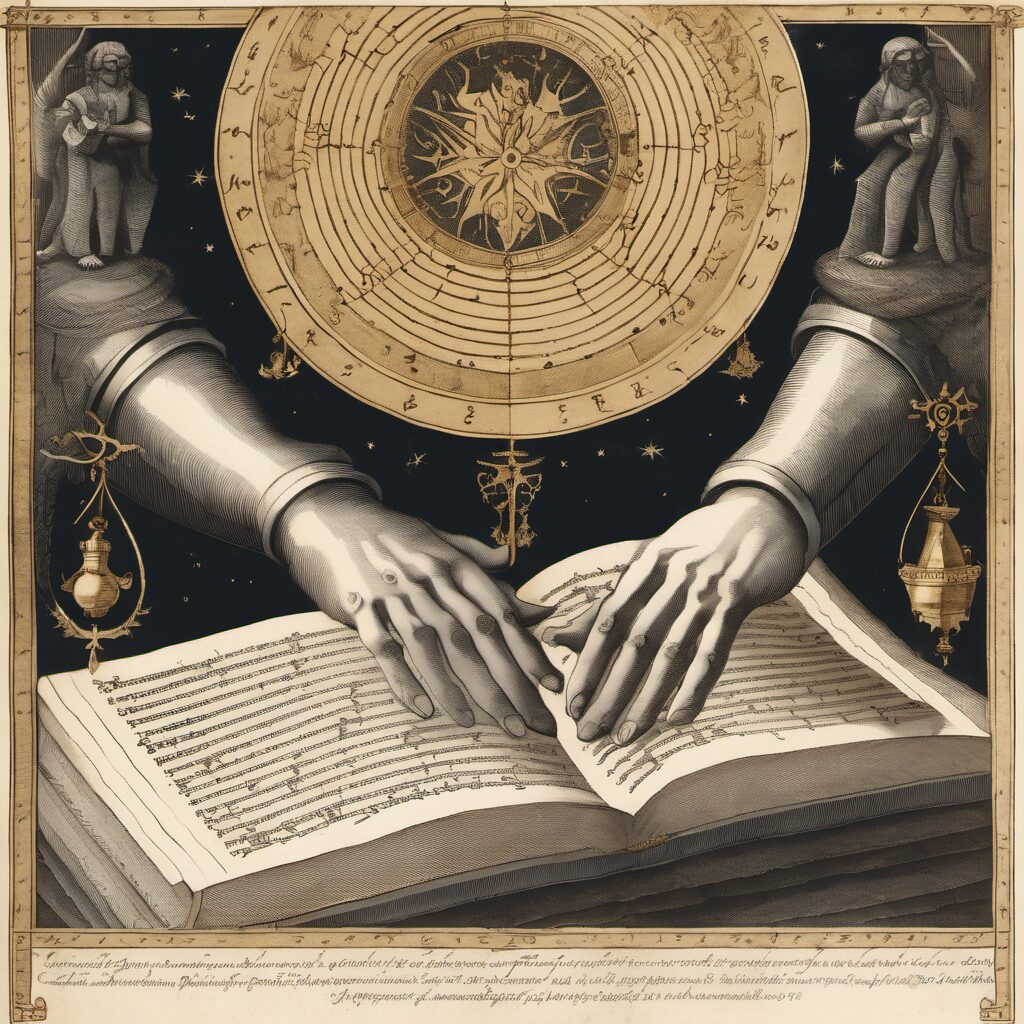
Neoclassical Piano: Precision, Dryness, and Emotional Depth
Neoclassicism was a musical movement of the 20th century that sought to revitalize classical music traditions by looking back at the past for inspiration. Composers such as Béla Bartók, Darius Milhaud, and Fritz Kreisler drew on folk melodies, sonatas of Haydn and Mozart, and other aspects of classical music to create works that were both challenging and accessible.
Clean Line and Order
One of the most distinctive characteristics of neoclassical piano is its emphasis on precision and order. The composer seeks to convey meaning through clear and direct communication rather than subtlety or ambiguity. This is reflected in the use of simple, memorable melodies and a strong rhythmic sense.
- Clean line and order are also reflected in the neoclassical piano’s avoidance of unnecessary ornamentation or embellishment. The focus is on the essence of the music rather than its surface details.
- Even within complex structures, the neoclassical composer seeks to maintain a sense of clarity and transparency.
Folk Inspiration
Many neoclassical composers drew inspiration from folk music. Bartók’s ’25 Divertimenti’, for example, is based on Hungarian folk melodies while Milhaud’s ‘Scaramouche’ incorporates elements of Spanish and French folk music.
Example 1: Bartók – 25 Divertimento in B-Flat (Mv.1)
Bartok’s 25 Divertimento is a Hungarian-inspired divertimento that showcases the composer’s unique blend of classical and folk elements. Listen to online.
Example 2: Milhaud – Scaramouche (Part 1)
Milhaud’s ‘Scaramouche’ is a ballet score that incorporates elements of Spanish, French and Italian folk music. Watch online.
Dryness and Emotional Depth
One of the challenges of neoclassicism is balancing precision and clarity with emotional depth. A composer like Felix Mendelssohn, for example, was able to convey a sense of pathos through his use of themes and motifs.
Mendelssohn – Song Without Words (Op 30, No 5)
Mendelssohn’s ‘Song without words’ is an introspective piece that expresses the composer’s deep love for nature. The melody is beautiful but also melancholic and contemplative Read more.
Mozart – Piano Sonata No 11 (K 331, Allegretto)
The final movement of Mozart’s Piano Sonata No 11 is a beautiful example of neoclassicism in action. The melody is elegant and refined while also conveying a sense of joy and celebration Read more.
Dryness vs. Emotionality
Neoclassicism often walks the fine line between dryness and emotionality. While the composer strives for clarity, he also seeks to create a sense of connection with his audience.
Quote from Béla Bartók
“The essential nature of music is not in itself but only in its expression.” – Béla Bartók. This quote highlights the composer’s emphasis on the emotional and expressive qualities of music.
Quote from Darius Milhaud
“Music is not the art of playing notes, but the art of giving form to thoughts.” – Darius Milhaud. This quote underscores the importance of the composer’s role in shaping the listener’s experience.
Conclusion
In conclusion, neoclassical piano music is characterized by its emphasis on precision and order, as well as its use of folk melodies and themes. The composer strives to create a sense of connection with his audience while conveying emotional depth and complexity.