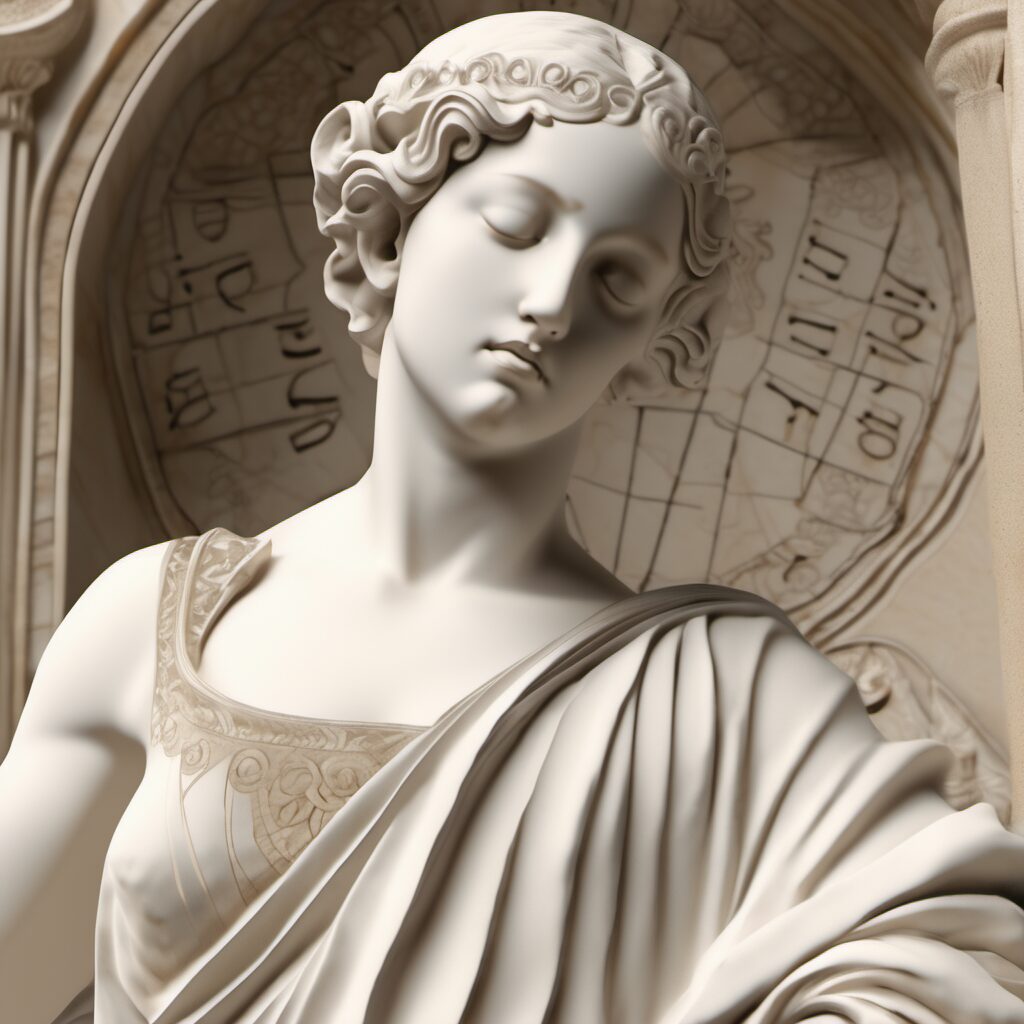
Between Baroque and Modern: The Neoclassical Bridge
The 18th century was a transformative period for art, music, and literature. It marked the transition from the grandeur of Baroque to the simplicity and elegance of Neoclassicism. In this article, we will explore the Neoclassical movement, its characteristics, and its significance in bridging the gap between two styles.
Characteristics of Neoclassicism
- Return to classical ideals: Neoclassicism sought to revive the values and principles of ancient Greece and Rome. It emphasized reason, order, and balance, as opposed to the emotion and drama of Baroque art.
- Simplicity and restraint: Neoclassical artists rejected the ornate and extravagant style of Baroque, opting for simplicity and restraint in their work.
- Use of classical motifs: Neoclassicism drew heavily from classical mythology, architecture, and art. It often featured iconic symbols such as the urn, the scroll, and the acanthus leaf.
The Bridge to Modernity
Neoclassicism played a crucial role in bridging the gap between Baroque and modern art. It provided a transition period during which artists could experiment with new forms and styles while still drawing inspiration from classical sources.
“The beauty of the Antique is that it has an infinity of perfection, and that it can be made to serve for all purposes.” – William Winchester
The Impact of Neoclassicism
- Influence on art: Neoclassicism had a profound impact on the development of art. It influenced artists such as Jacques-Louis David, Jean-Auguste-Dominique Ingres, and Anton Raphael Mengs.
- Influence on literature: Neoclassicism also influenced literature, with writers such as Walter Scott and Lord Byron drawing inspiration from classical sources.
- Enduring legacy: The influence of Neoclassicism can still be seen today, in architecture, sculpture, and other art forms.
Conclusion
In conclusion, the Neoclassical movement played a significant role in bridging the gap between Baroque and modern art. Its emphasis on classical ideals, simplicity, and restraint provided a transition period during which artists could experiment with new forms and styles while still drawing inspiration from classical sources.
References
- Winchester, W. (1720). The Antiquities of Rome, Book the Third. London: T. Osborn.
- Murray, J. H. (1913). A History of Ancient Greek Literature. New York: Macmillan.
F further Reading
- Leppman, W. (1969). The Oxford Companion to Western Art. Oxford University Press.
- Watt, D. (1994). Classical Style in Painting and Sculpture from the Renaissance to the Present Day. Thames & Hudson.