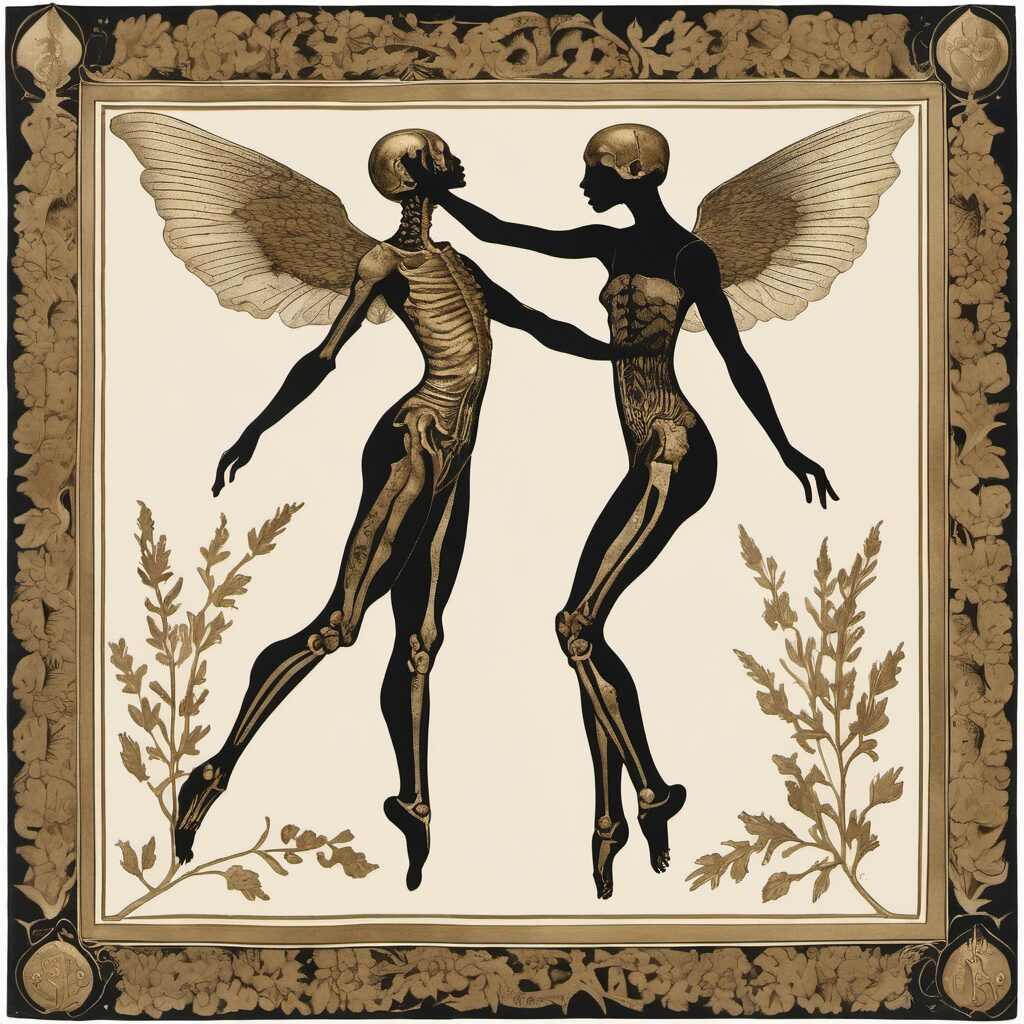
Springtime Ballet: Dance, Movement, and Seasonal Imagery
The arrival of spring is often associated with renewal, rebirth, and rejuvenation. In the world of ballet, this season inspires a plethora of beautiful and evocative works that capture the essence of the changing seasons. From the lush green forests to the vibrant flowers, springtime ballets are a treat for the eyes and the soul.
Imagery in Springtime Ballets
Springtime ballets often feature imagery that reflects the season’s themes of growth, change, and transformation. One of the most iconic examples is Tchaikovsky’s The Nutcracker, which tells the story of a young girl’s magical Christmas Eve and her journey to the land of sweets and treats. The ballet features stunning sets and costumes that evoke the feeling of springtime, with lush greenery, colorful flowers, and sparkling snowflakes.
Another example is Balanchine’s Spring Symphony, which premiered in 1942. This ballet is set to Vivaldi’s Four Seasons and features a beautiful depiction of springtime in the forest, with dancers twirling and leaping through the trees, surrounded by blooming flowers and lush greenery.
Dance and Movement in Springtime Ballets
Springtime ballets often feature light, airy music that evokes the feeling of new beginnings. The dance and movement in these works are frequently characterized by quick, nimble steps and turns, which reflect the season’s themes of growth and transformation. In The Firebird, for example, the famous “Dance of the Firebirds” features a beautiful depiction of springtime in the forest, with dancers leaping and twirling through the trees.
Another example is Wheeldon’s Full Moon and The Hunters. This ballet features a beautiful depiction of springtime in the countryside, with dancers moving quickly and effortlessly across the stage, surrounded by blooming flowers and lush greenery.
Inspiration from Nature
Springtime ballets often draw inspiration from nature, incorporating elements such as flowers, trees, and birds into their designs. One of the most famous examples is The Seasons, a ballet set to Vivaldi’s Four Seasons. This ballet features stunning sets and costumes that evoke the feeling of springtime, with dancers moving through a beautiful depiction of the forest, surrounded by blooming flowers and lush greenery.
Another example is Nureyev’s La Sylphide, which tells the story of a young man who falls in love with a spirit of the forest. The ballet features stunning sets and costumes that evoke the feeling of springtime, with dancers moving through a beautiful depiction of the forest, surrounded by blooming flowers and lush greenery.
Conclusion
Springtime ballets are a treat for the eyes and the soul, capturing the essence of the changing seasons in their beautiful sets, costumes, and dance movements. From Tchaikovsky’s The Nutcracker to Balanchine’s Spring Symphony, these works inspire us with their beauty and elegance, reminding us of the magic and wonder of springtime.
References:
The Nutcracker. (1892). Wikipedia.
Spring Symphony. (1942). Wikipedia