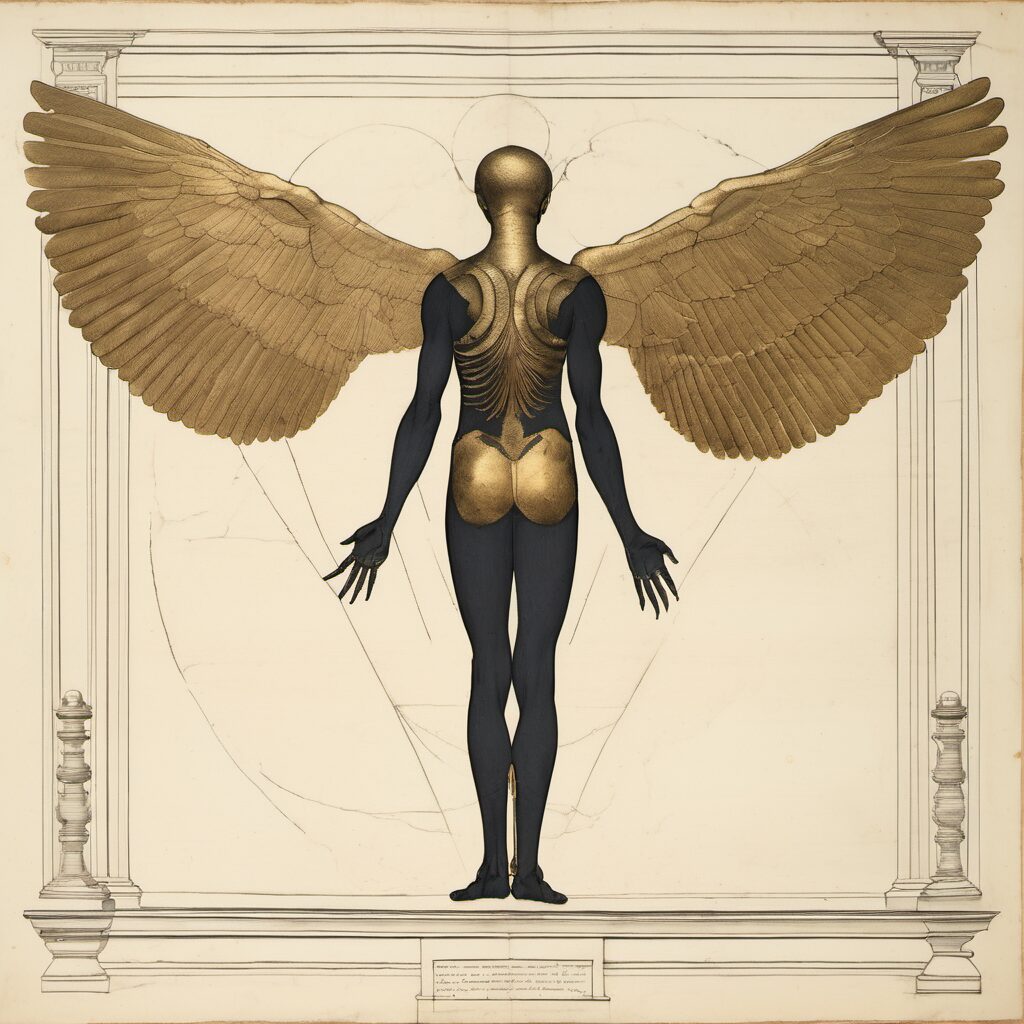
The Avant-Garde’s Audience – Bridging the gap between the intellectual and the listener.
The avant-garde, a term used to describe experimental or innovative works in literature, art, or music, has long been associated with elitist tendencies. The assumption is that the audience for such works is comprised of intellectuals who are familiar with avant-garde movements and can appreciate their complexity.
However, this perspective neglects the fact that many avant-garde artists deliberately sought to bridge the gap between the intellectual and the listener, making their work accessible to a broader audience.
In music, composers like Arnold Schoenberg and Alban Berg wrote works that were initially met with confusion and disdain by critics and audiences alike. However, through repeated performances and radio broadcasts, they eventually gained acceptance and recognition (1).
Similarly, in literature, authors such as James Joyce and Virginia Woolf experimented with stream-of-consciousness narratives, which were often misunderstood by readers at the time. Nevertheless, these authors persisted in their innovation, eventually winning over critics and establishing themselves as major figures in modernist literature (2).
The role of the audience in shaping our understanding of avant-garde art cannot be overstated. As art critic Harold Rosenberg stated, “The function of art is to instruct, but not to teach” – implying that the artist’s task is to engage the viewer, rather than simply to convey information (3).
References
(1) “Arnold Schoenberg: A Life Revealed” – Donald Mitchell
(2) “Virginia Woolf: A Biography” – Quentin Bell
(3) The Function of Art Is to Instruct, But Not to Teach
Conclusion
In conclusion, the audience for avant-garde art is not always as one-dimensional as it may seem. Rather, it consists of individuals from diverse backgrounds and with varying levels of familiarity with experimental works. As such, it is our responsibility – both as artists and as consumers of art – to ensure that these works reach a broad and inclusive audience.
See Also
* The Evolution of Modern Art
* Avant-Garde Literature: A Guide
* Experimental Music: An Introduction