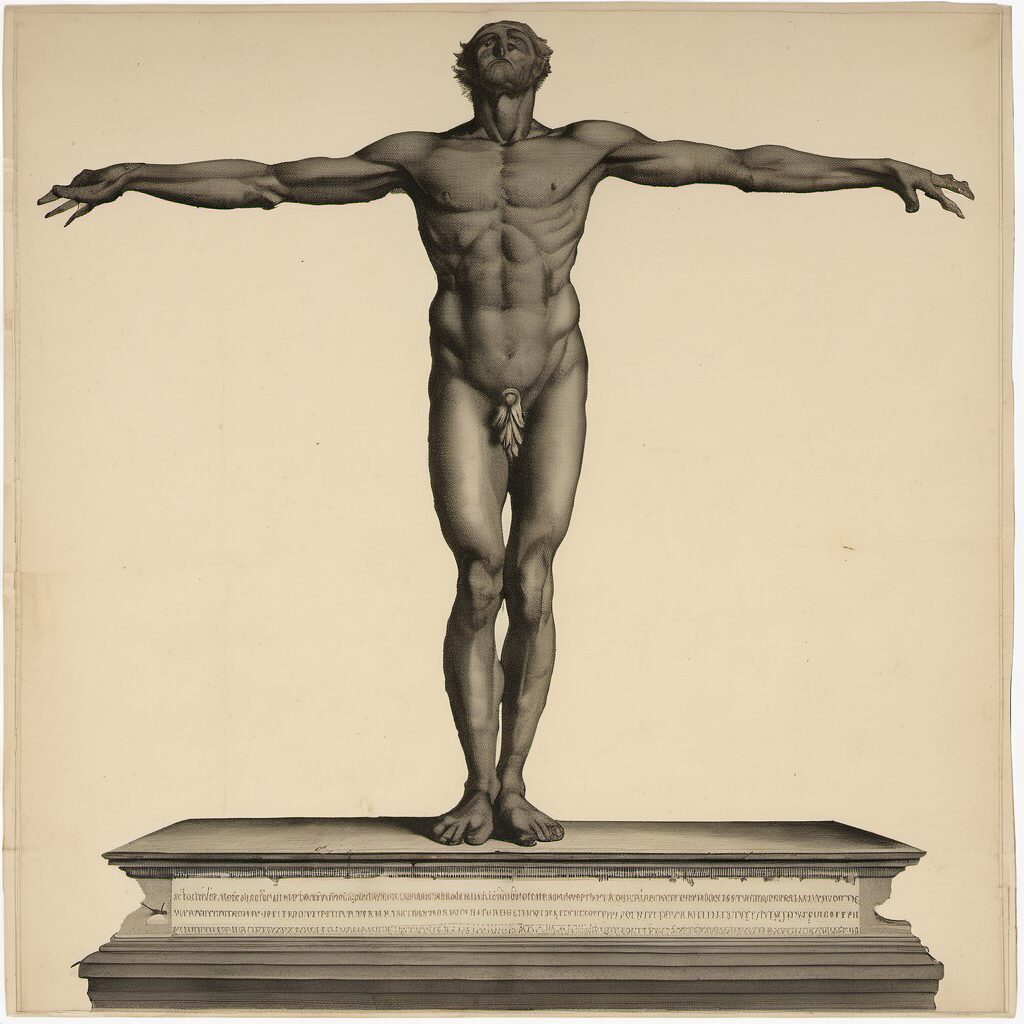
Atonality and Anxiety – Reflecting the Fractured Psyche of the 20th Century
The early 20th century was a period of great turmoil, with the world grappling with the aftermath of World War I and the rise of existentialism, modernism, and postmodernism in literature. In music, atonality emerged as a response to traditional tonality, reflecting the sense of disorientation and disorder that characterized this era.
The Disintegration of Tonality
In 1897, Arnold Schoenberg introduced the concept of atonality in his String Quartet No. 1. This radical departure from traditional tonal harmony was a response to the limitations of tonality, which he saw as stifling creativity and freedom. Atonality allowed composers to explore new sounds, textures, and forms, creating a sense of dissonance and tension that reflected the anxiety and uncertainty of modern life.
Anxiety and the Fragmented Self
Atonality was not just a musical phenomenon, but also a reflection of the fractured psyche of the 20th century. The experience of World War I had shattered traditional notions of identity, community, and purpose, leaving individuals feeling lost and uncertain. Atonality in music mirrored this sense of disintegration, with composers like Schoenberg, Alban Berg, and Anton Webern creating works that were fragmented, disjointed, and open to multiple interpretations.
Example: Arnold Schoenberg – Pierre Bourson – Discussion
“The atonal style is not a style. It is the negation of every style.” Arnold Schoenberg
In his discussion with Pierre Boulez, Schoenberg explained that atonality was not a style, but rather the rejection of traditional tonal harmony and form. This allowed composers to create music that was more expressive, spontaneous, and personal.
Example: Arnold Schoenberg – Pierre Boulez
Schoenberg & Boulez conversations
The Influence of Atonality on Literature
Atonality in music had a significant influence on literature, particularly in the development of modernist and postmodernist movements. Writers like James Joyce, Virginia Woolf, and T.S. Eliot experimented with fragmented forms, disjunctive narrative structures, and multiple perspectives, creating works that reflected the anxiety and uncertainty of modern life.
Example: James Joyce – Ulysses
Clinical Application
The concept of atonality can be applied to various fields, including psychology, philosophy, and art therapy. By exploring the fragmented self and the disintegration of identity, individuals can gain a deeper understanding of their anxieties and fears, and develop new ways of coping with uncertainty and disorder.
Example: Existentialism and Phenomenology
Existentialism and Phenomenology
Atonality and anxiety are two concepts that are deeply intertwined. In music, atonality emerged as a response to traditional tonality, reflecting the sense of disorientation and disorder that characterized the 20th century. This concept has had a significant influence on literature, philosophy, and psychology, offering new insights into the human experience and our struggles with identity, community, and purpose.
References
- Arnold Schoenberg. (1967). The Music of Our Time: The 5 String Quartets. London: Universal Edition.
- Boulez, P. (1999). Schoenberg Conversations. New York: Princeton University Press.
- Ulysses