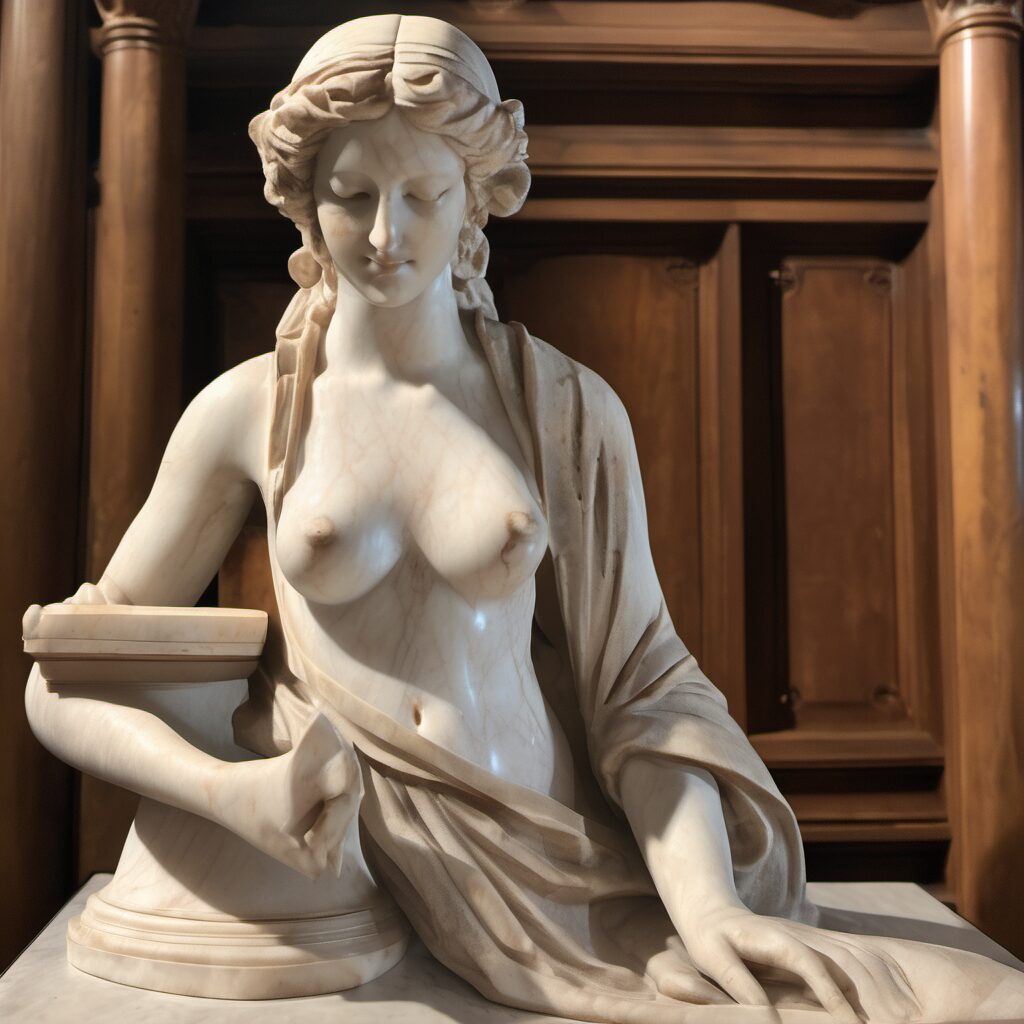
The Ethics of Restoration – Completing the Unfinished Works of the Masters
Restoration is an age-old practice in the art world, where artists and craftsmen complete paintings, sculptures, and other masterpieces that were left unfinished by their creators. While some view restoration as a way to preserve historical art, others raise ethical concerns about altering the intent of the artist.
In this article, we’ll delve into the ethics of restoration, exploring both sides of the debate.
Arguments in Favor of Restoration
- Preservation: Restored artworks can be preserved for future generations to appreciate and learn from.
- Authenticity: In some cases, restoration is necessary to preserve the artwork’s original intent and authenticity.
- Economic Value: Restored artworks can increase in value, providing a financial benefit to artists, collectors, and museums.
Arguments Against Restoration
- Lack of Intent: Altering an artist’s original work without their consent can be seen as disrespectful to their vision and legacy.
- Loss of Historical Significance: Over-restoration or improper restoration techniques can alter the artwork’s historical significance, making it less valuable to art historians and enthusiasts.
- Moral Hazard: Encouraging restorers to make changes based on personal taste can create a moral hazard, where the value of the artwork becomes subjective rather than objective.