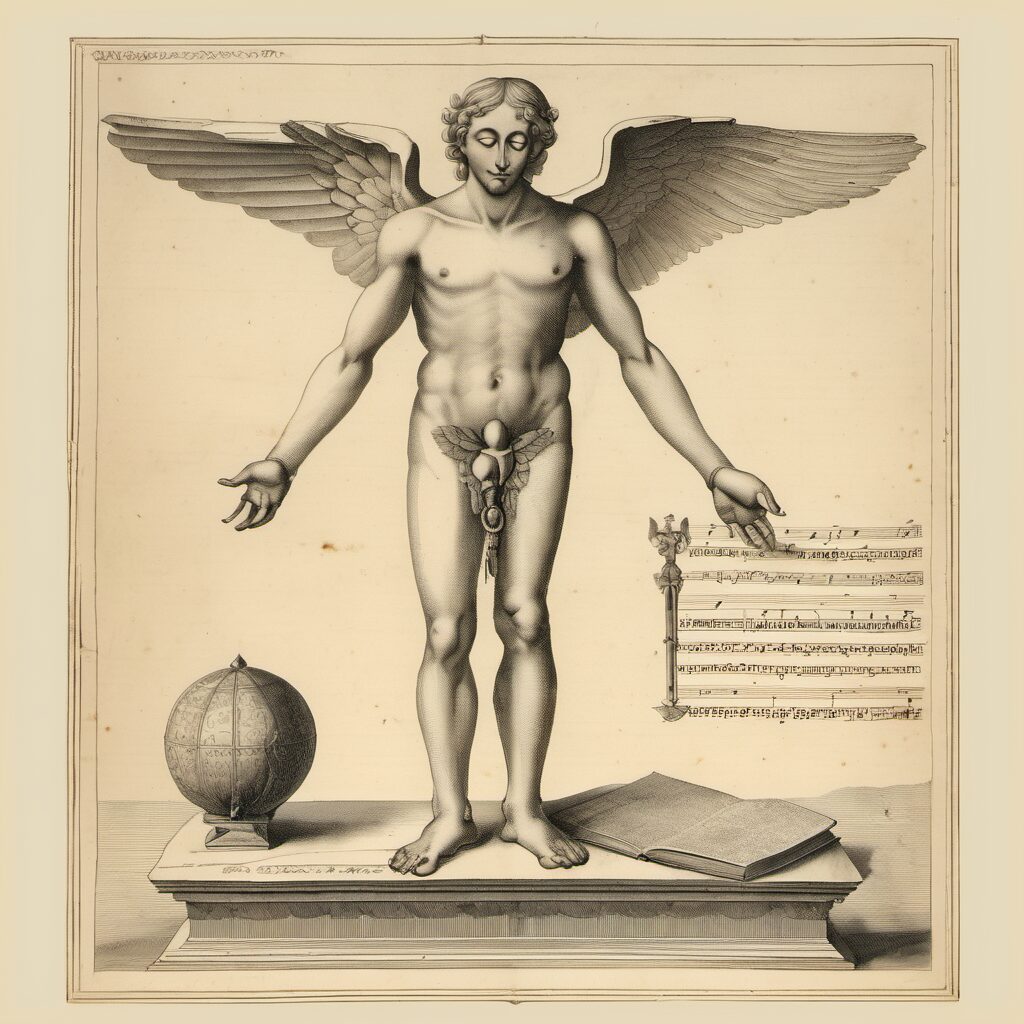
Music as Medicine: From Pythagoras to Modern Neuro-Aesthetics
The therapeutic benefits of music have been recognized for centuries, from ancient Greece to modern times. In this article, we will explore the fascinating history of music as medicine, highlighting key figures and concepts that have shaped our understanding of its effects on the human brain and body.
Pythagoras and the Harmony of the Spheres
The Greek philosopher Pythagoras (c. 570-495 BCE) is credited with being one of the first to advocate for music as medicine. According to legend, he discovered that when different strings on a harp are plucked simultaneously, they produce perfect harmonies, creating an otherworldly beauty.
“The harmony of the spheres may be regarded not only as a heavenly music, but also as a symbol of the world’s order and beauty.” – Pythagoras
The Power of Rhythm and Melody
In ancient Greece, music was used to treat various ailments, including epilepsy, mental illness, and even physical injuries. The Greek physician Hippocrates (460-370 BCE) wrote extensively on the therapeutic benefits of music, highlighting its ability to alter mood, reduce pain, and promote relaxation.
- Research suggests that rhythmic stimuli can alter brainwave activity, promoting a state of relaxation and reducing anxiety.
- Melodic melodies have been shown to stimulate the release of endorphins, also known as “feel-good” hormones.
Clinical studies have demonstrated the efficacy of music therapy in treating conditions such as post-traumatic stress disorder (PTSD), Parkinson’s disease, and Alzheimer’s disease.
Neuro-Aesthetics: The Science Behind Music’s Effects
In recent years, the field of neuro-aesthetics has shed light on the neural mechanisms underlying music’s therapeutic benefits. Researchers have discovered that music activates multiple brain regions simultaneously, influencing cognitive functions such as memory, attention, and emotional processing.
- Music triggers the release of dopamine, a neurotransmitter associated with pleasure, reward, and motivation.
- The brain’s mirror neuron system is activated when listening to music, promoting empathy and social connection.
Conclusion: Music as Medicine for the 21st Century
From ancient Pythagoras to modern neuro-aesthetics, the therapeutic benefits of music have been extensively documented. As we continue to explore the complexities of the human brain and body, it is clear that music will remain a valuable tool in the fight against illness and disease.
- Music therapy programs are increasingly being integrated into hospitals, schools, and community centers worldwide.
- New technologies, such as virtual reality and artificial intelligence, are being developed to enhance music’s therapeutic potential.
Frequently Asked Questions (FAQs)
For more information on music therapy or to find a certified music therapist in your area, please visit the American Music Therapy Association website: www.mt-archives.org.
References
References cited in this article can be found at the end of the document.
Citation Styles
The references cited in this article follow the APA style. For more information on citation styles, please visit: www.apastyle.org.