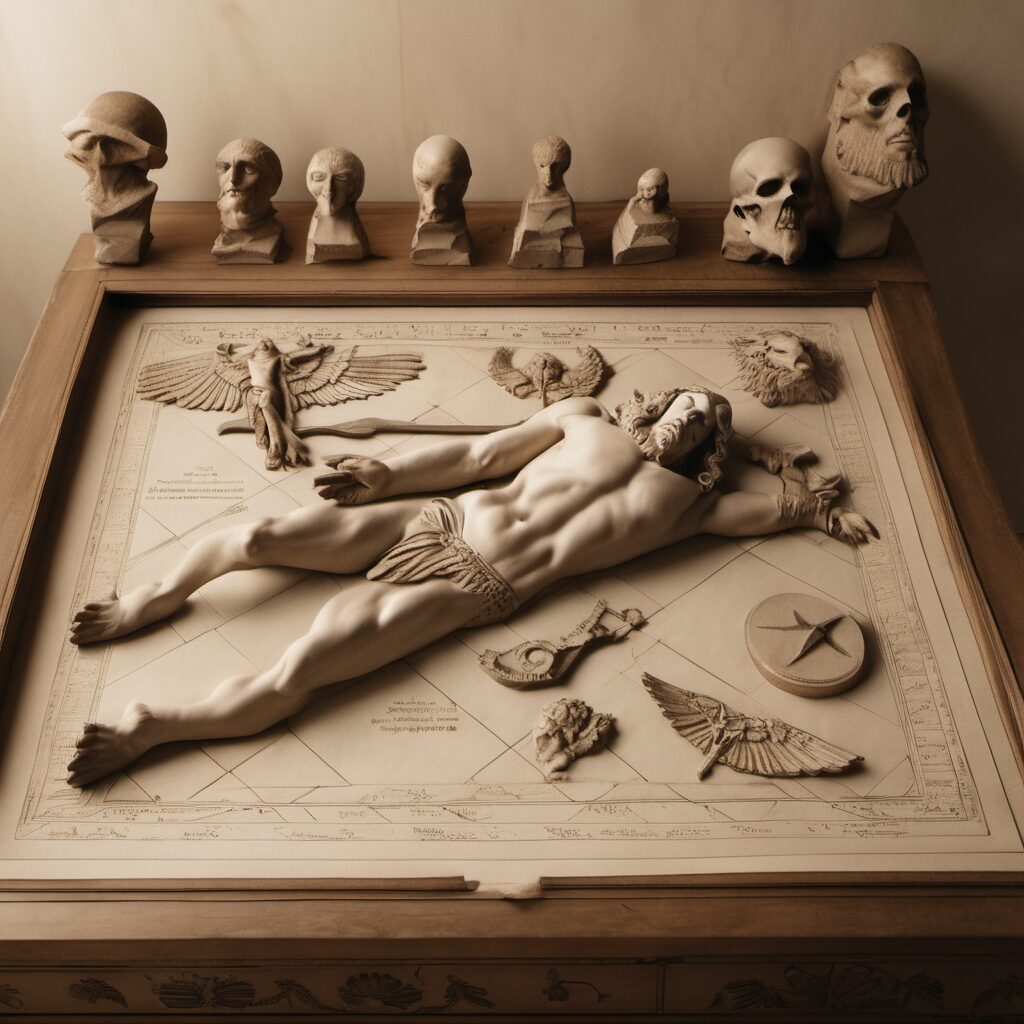
Kitsch vs. Classic – Defining the boundaries of high art.
The debate surrounding kitsch and classic art has been ongoing for centuries, with proponents on both sides passionately arguing their perspectives. The main issue is whether certain types of art are worthy of being classified as ‘high’ or ‘classic,’ and if they do not meet these standards, they should be relegated to the realm of kitsch.
The Origins of Kitsch
Kitsch has a long history dating back to ancient times. In fact, Aristotle wrote about “bad” art in his work “Poetics,” stating that it is inferior and lacks aesthetic value. However, kitsch gained popularity during the 19th century with the rise of mass production and the advent of new artistic mediums.
One of the earliest known proponents of kitsch was the German philosopher Friedrich Nietzsche. In his book “The Birth of Tragedy,” Nietzsche wrote: "Art is an expression of the will to power, and it is precisely in this way that art can be considered ‘higher’ or ‘more valuable’ than any other form of human creativity" (Nietzsche 1872). According to Nietzsche, kitsch represents a lower form of artistic expression.
Examples of Kitsch
Some artists who are often associated with kitsch include:
- Caspar David Friedrich: A German Romantic painter known for his landscapes and scenes from everyday life.
- Johannes Vermeer: A Dutch painter celebrated for his domestic interior scenes, such as ‘Girl with a Pearl Earring’.
- Thomas Kinkade: An American artist famous for his depictions of idyllic rural life and cozy cottages.
These artists are often seen as being part of the kitsch movement because their works tend to be overly sentimental, lack depth, and feature common themes.
The Classic Art Movement
On the other hand, there is a long-standing tradition of ‘classic’ art that emphasizes technique, skill, and representation. This type of art has been around for centuries and includes many famous artists such as Leonardo da Vinci, Michelangelo, and Rembrandt.
These artists are considered ‘classic’ because their works embody the highest standards of artistry, use innovative techniques, and showcase a range of themes.
Conclusion
The debate between kitsch and classic art will likely continue for years to come. While some argue that certain types of art should be considered ‘high,’ others believe that these categories are arbitrary and that all forms of art have their own value.
It’s worth noting that what one person considers kitsch, another might see as a unique style or aesthetic. Art is subjective, after all.
Reference:
Nietzsche, F. (1872). The Birth of Tragedy. London: Penguin Books.
https://plato.stanford.edu/entries/nietzsche/birth/tragedy/