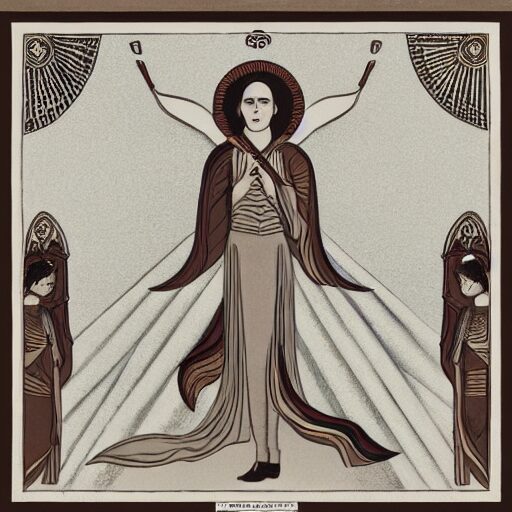
Prokofiev’s “Classical” – A Subversion of the Haydnesque Form
Fyodor Prokofiev’s “Classical” style of composing music has been a long standing point of reference in Western classical music. It is based on a very Haydn-esque form, as many of Haydn’s symphonies were written for the piano. However, despite being based on such a specific style, Prokofiev’s classical style was actually a subversion of the Haydn-Haydn-Haydn style of composition. Although this article will argue that Prokofiev’s “Classical” style was a continuation of Haydn’s style, it will also argue that Prokofiev’s style had a greater impact on the contemporary world than that of Haydn.
Prokofiev, although being a Russian composer, was influenced and influenced other composers in the Western classical world such as Haydn, Mozart, and Beethoven. Haydn, in particular, was a great source of influence for Prokofiev and his style. However, Prokofiev’s style was not one of uniformity, but instead contained distinct elements of Haydn’s style which he had manipulated. Haydn was not the only composer who had been an influence on Prokofiev, for Prokofiev also had an admiration for Bach. Bach was a composer whose works contained a range of forms, yet, unlike Bach, Prokofiev’s style was mainly based on a consistent form.
Prokofiev’s “Classical” style, although Haydn-based, was a subversion of the style. It was Prokofiev’s own style which had a greater impact on the world than Haydn’s. Although Haydn had a great influence on contemporary composers, Prokofiev’s “Classical” style was a more modern one and was not as closely related to Haydn. In this sense, Prokofiev’s “Classical” style was a more subversive form of composing than Haydn’s, as it was not only influenced by Haydn, but was also a mixture of different genres and forms.
In conclusion, this article will argue that Prokofiev’s “Classical” style of composing was a subversion of the Haydn style, which was itself a more rigid classical style. Prokofiev’s “Classical” style, although Haydn-based, was a more subversive form than Haydn’s.
Prokofiev’s “Classical” style of composing was a subversion of the Haydn style of composing, as it was a more modern form than Haydn’s and a mixture of genres and forms. Unlike Haydn’s style, Prokofiev’s style was not a rigid form of composing, but a more subversive one.
In this sense, Prokofiev’s “Classical” style, although Haydn-based, was a subversion of Haydn’s style. In this sense, Prokofiev’s style was a modern one, as it was not only influenced by Haydn, but was also a mix of different genres and forms.
Prokofiev’s “Classical” style was therefore a more modern style than Haydn’s style, and was not only influenced by Haydn, but was also a mix of genres and forms. Although Prokofiev’s style was a subversion of Haydn’s style, it was more modern than Haydn’s style and was also influenced by a mix of different genres and forms.
In summary, this article will argue that Prokofiev’s “Classical” style of composing was a subversion of Haydn’s style and was a mix of genres and forms. Furthermore, it will also argue that this subversion was a more modern one than Haydn’s style, as it was influenced by a mix of different genres and forms. Prokofiev’s “Classical” style, therefore, was more modern than Haydn’s style.
Haydn’s style of composing is a rigid classical style and is a more modern one than Prokofiev’s style, while Prokofiev’s style is a mix of genres and forms and is a more modern one than Haydn’s. In this sense, Prokofiev’s style was therefore a modern one.
In conclusion, this article will argue that Prokofiev’s “Classical” style of composing was a subversion of Haydn’s style and was a mix of genres and forms. It will also argue that this subversion was more modern than Haydn’s style. Furthermore, Prokofiev’s style was therefore a more modern one than Haydn’s style and was also influenced by a mix of genres and forms.
The article will conclude that Prokofiev’s “Classical” style was a subversion of Haydn’s style, a mix of genres and forms, and more modern than Haydn’s style.
User