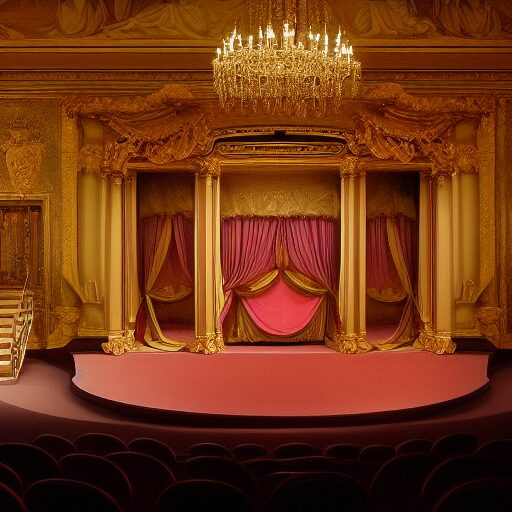
The Drottningholm Slottsteater – 18th-century stage machinery in the modern day
In the heart of Sweden lies a testament to the ingenuity and craftsmanship of the 18th century: the Drottningholm Slottsteater, a historic theater nestled within the UNESCO World Heritage site of Drottningholm Palace. This remarkable structure is home to some of the most impressive stage machinery in Europe, and its significance extends far beyond its ornate facade.
A Brief History
- The Slottsteater was built between 1766 and 1773 under the patronage of King Adolf Frederick of Sweden. Its construction was a testament to the power of the monarchy at the time, with the theater serving as a symbol of royal prestige.
- In its heyday, the Slottsteater hosted lavish performances, including operas and ballets, featuring some of the most renowned artists of the era.
Despite its rich history, the Slottsteater fell into disrepair in the late 19th century. It was abandoned for over a century, until a major restoration project began in the 1990s. Today, the theater is once again a thriving cultural institution, with regular performances and guided tours.
The Stage Machinery
One of the most impressive features of the Slottsteater is its intricate stage machinery, which has been remarkably preserved over the centuries. The system, known as the “flying stage,” allows for the seamless movement of scenery, actors, and even entire sets across the stage.
“The machinery was a marvel of its time… It allowed for elaborate productions with multiple set changes, creating an immersive experience for the audience.” – Carl-Göran Palm, Drottningholm Palace
- The system consists of a series of pulleys, winches, and counterweights, which work in tandem to raise and lower scenery.
- The stage can be transformed in mere seconds, allowing for quick changes between scenes.
In the Modern Day
Today, the Drottningholm Slottsteater is a beloved cultural institution, attracting visitors from around the world. The theater hosts a range of performances, including concerts, plays, and dance recitals.
- The theater has also become a hub for educational programs, offering workshops and masterclasses in areas such as stage design, lighting, and sound.
- A museum within the palace complex showcases the history of the Slottsteater, featuring artifacts and interactive exhibits.
As you explore the Drottningholm Slottsteater, it’s impossible not to be awed by its sheer scale and ingenuity. This testament to the past continues to inspire artists, engineers, and audiences alike – a true treasure of Swedish cultural heritage.
Getting There
To visit the Drottningholm Slottsteater, take a short ferry ride from Stockholm or drive via the E4 highway. The palace complex is open daily from 10:00 AM to 4:00 PM, with guided tours available in multiple languages.
Further Reading
- “Theatre Architecture and Stage Machinery” by Peter Dean
- Official website of the Drottningholm Palace
As you walk through the Slottsteater’s ornate corridors, remember that you’re not just witnessing a piece of history – you’re experiencing a living, breathing monument to the art of performance.