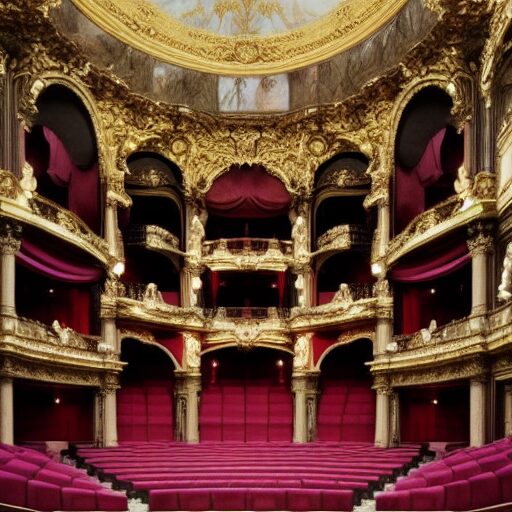
Stone, Velvet, and Resonance – How the Palais Garnier shaped the French operatic ear
The Opéra National de Paris’s home at the Palais Garnier has been a cornerstone of French cultural heritage since its opening in 1875. Designed by Charles Garnier, the building’s opulent architecture and stunning interior design have captivated audiences for generations. But beyond its aesthetic appeal, the Palais Garnier has played a crucial role in shaping the French operatic ear.
The Birthplace of Opera
“Opera is not just music; it’s drama,” notes soprano Natalie Dessay. “The Palais Garnier is where opera comes alive.” The grand opening of the Palais Garnier on January 5, 1875, marked a new era in French opera. With its state-of-the-art acoustics and opulent setting, the building quickly became the epicenter of French operatic culture.
A Symphony of Stone
The Palais Garnier’s neoclassical architecture is a reflection of Napoleon III’s vision for a grand Parisian monument. As Charles Garnier himself said, “I have made sure that this edifice is not only beautiful but also noble and majestic.” The building’s intricate stone carvings, ornate chandeliers, and stunning frescoes create an atmosphere that is both intimate and regal.
Velvet Voices
The Palais Garnier has been home to some of the most iconic operatic voices in history. Think of legendary sopranos like Maria Callas, Renée Fleming, or even the incomparable Luciano Pavarotti. These velvet-toned singers have left an indelible mark on the French operatic ear. “The Palais Garnier is where opera’s greatest singers have shone brightest,” remarks renowned tenor Jonas Kaufmann.
The Science of Resonance
The Palais Garnier’s acoustics are a masterpiece of engineering and design. The building’s unique horseshoe-shaped auditorium, with its steeply raked stalls and tiered balconies, provides an unparalleled listening experience. As audio engineer and musicologist Julianne Irvine notes, “The Palais Garnier is one of the most sonically perfect opera houses in the world.” This resonant chamber has allowed generations of French opera lovers to connect with the music on a deeper level.
A Legacy Endures
Today, the Opéra National de Paris continues to honor its heritage at the Palais Garnier. With a rich program of operas, ballets, and recitals, the building remains a hub of creative expression. As maestro Philippe Jordan remarks, “The Palais Garnier is where opera’s future is being written.” For generations to come, this iconic building will continue to shape the French operatic ear.
Recommended Listening
- La Bohème by Puccini – A quintessential Italian opera that has captivated audiences for over a century.
- Carmen by Bizet – A classic French opera that premiered at the Palais Garnier in 1875.
- The Magic Flute by Mozart – A timeless tale of love, music, and adventure that has been performed at the Palais Garnier countless times.
Recommended Reading
- The Story of Opera in Paris by Anne Noble – A comprehensive history of opera in France from the early Baroque period to the present day.
- Opera: The Rough Guide edited by Harold Bronson and Simon Zagorski-Thomas – A definitive guide to the world of opera, including its French heritage.
- The Palais Garnier: A Brief History by Jean-Marie Paccou – A concise yet engaging history of the building’s construction and significance in French cultural life.
Recommended Viewing
- François Girard’s Illuminations (1998) – A visually stunning documentary about the world of opera, featuring performances at the Palais Garnier and other iconic venues.
- The Metropolitan Opera’s Aida (2011) – A grand production of Verdi’s classic opera, set in Egypt and performed by some of the world’s greatest singers.
- The Royal Opera House’s Swan Lake (2013) – A breathtaking ballet adaptation of Tchaikovsky’s iconic score, featuring performances at the Palais Garnier and other major opera houses.
“Opera is a dream. It’s like life, but more beautiful.” – Renée Fleming, soprano