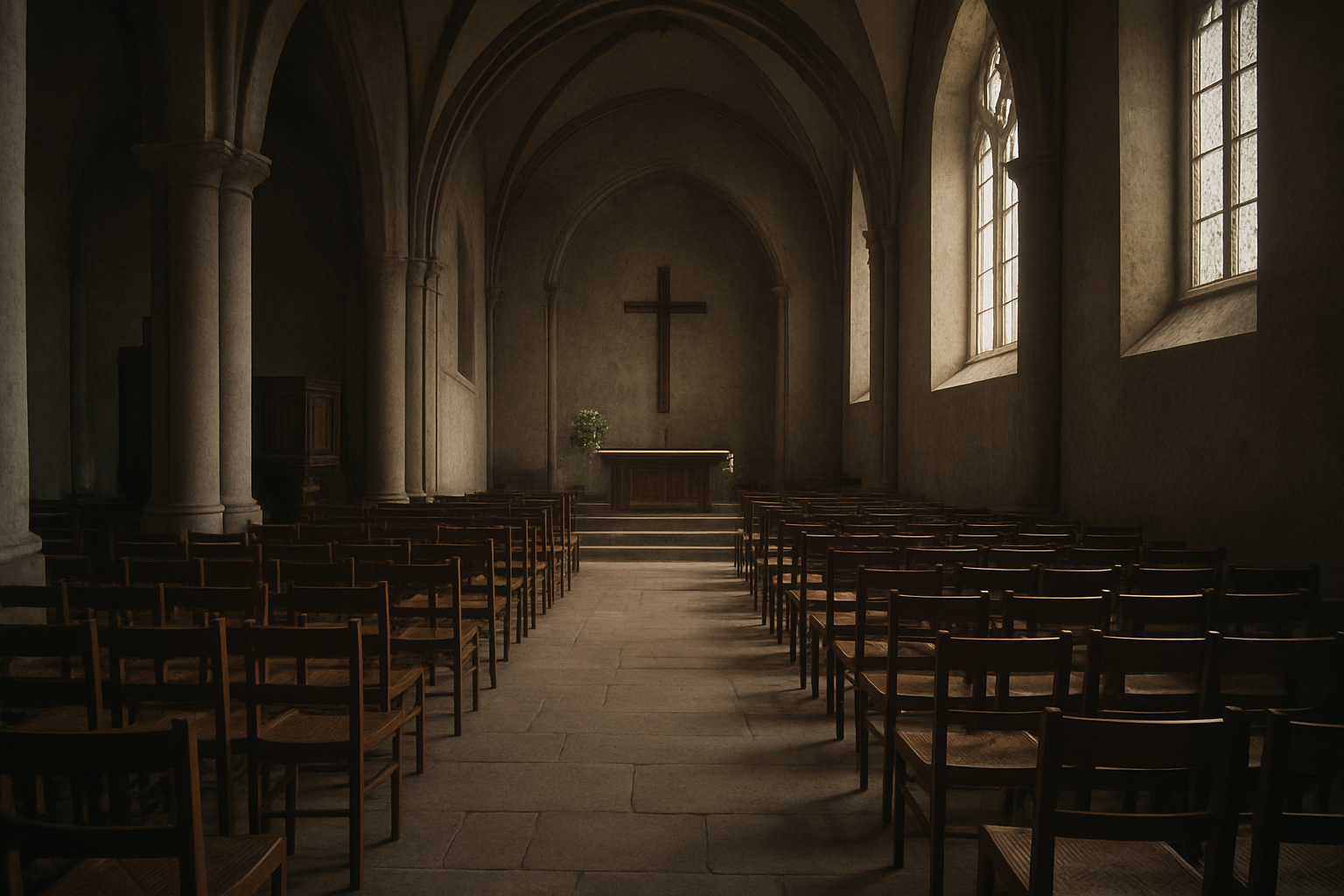
Music for Empty Churches: Resonance and Absence
Churches stand as monuments of faith, art, and community, often designed with the acoustics that make music soar to celestial heights. But what happens when these sacred spaces are empty? The concept of music played in empty churches touches on the profound interplay between resonance and absence, creating an audio experience both haunting and sacred.
The Historical Role of Music in Churches
Through history, music has been an integral part of religious services. From the chants of Gregorian monks to the complex polyphonies of Renaissance choirs, music has served to uplift the spirit and enhance the worship experience.
“Music is the shorthand of emotion.” – Leo Tolstoy
This quote from the renowned Russian author encapsulates why music in churches has always been essential—it speaks directly to the soul and can articulate emotions more eloquently than spoken words ever could.
- Gregorian Chants: Emerging in the 9th and 10th centuries, these chants were designed to sing the words of God. The church architecture amplified their simple melodies.
- Renaissance Polyphony: Composers like Palestrina and Byrd created complex layers of harmony, which filled the voluminous spaces of grand cathedrals with celestial sound.
- Baroque and Beyond: The introduction of instrumental music, with organ as king, marked a new era in church music. Composers like Bach utilized the majestic acoustics in churches to present elaborate compositions.
Resonance in Deserted Sacred Spaces
Acoustics in churches, shaped by their architectural design, create a unique resonance that can profoundly affect the listener. When a church is empty, this resonance becomes even more pronounced as the absence of congregants allows the sound waves to travel undisturbed.
Musician Paul Hillier, known for his work with early music, once noted how performing in an empty church was akin to “having our soul amplified,” suggesting that the absence of congregational noise enables a more intimate auditory reflection.
Some elements that contribute to this unique resonance include:
- Reflective Materials: Stone, wood, and stained glass reflect sound waves, adding richness to the music.
- High Ceilings and Large Spaces: These features allow for sound to expand and resonate, creating a natural reverberation that can extend the experience of each note.
- Vibrant Echoes: The echoes in an empty church are often clearer, adding layers to the music that can create an ethereal effect.
Absence: A Quiet Yet Powerful Element
While resonance showcases the power of sound, absence in music is equally poignant. An empty church signifies both physical absence—of people and community—and a metaphorical absence that touches on themes of solitude and contemplation.
According to Dr. Peter Szendy, a professor of musicology, silence is an essential component of music, offering a space for “reflection within the absence of sound.” This understanding transforms an empty church from a void into a vessel of potential, where each note carries the weight of both presence and absence.
The Modern Interpretation: Creating and Listening
In contemporary times, the allure of empty churches as venues for music has been recognized by artists who wish to explore these acoustic and emotional dimensions. For instance, avant-garde composer Max Richter utilizes these spaces to create immersive experiences that provoke reflection and introspection in audiences.
Moreover, technology has enabled these experiences to be shared beyond the church walls. Recordings of music in empty churches capture the unique acoustics and bring this experience to anyone with internet access. Projects like Andrew Hibbard’s Empty Church Project explore these soundscapes, inviting modern audiences to discover the serenity and profundity of sound within emptiness.
The Future of Music in Sacred Vacuums
The conversation surrounding music in empty churches opens up possibilities for future exploration of sound and space. As the world becomes increasingly digital, these acoustic experiences may serve as a bridge to more tactile, soul-touching interactions with music.
Perhaps, as more people seek moments of solitude and reflection in an increasingly connected world, the music filling these empty sacred spaces will touch deeper chords within the human spirit, fostering a renewed appreciation for the interplay between sound and silence, presence and absence.
Ultimately, music for empty churches echoes the heartbeat of human experience—its triumphs and tribulations, its joy and sorrow, resonating through spaces that have witnessed centuries of faith and reflection, continuously inviting us to listen, reflect, and be still.