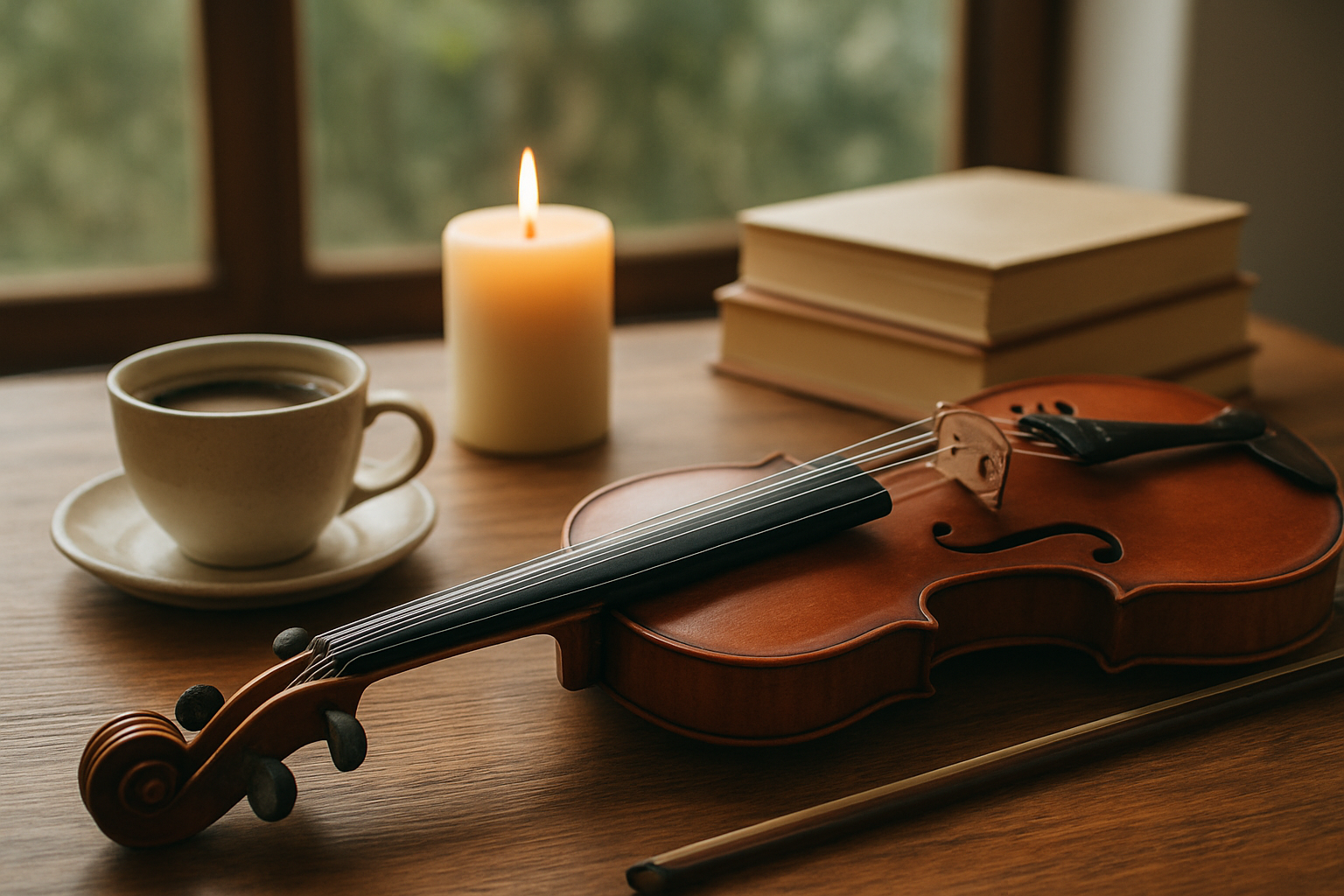
Post-Classical Calm: Music for a Slower Nervous System
In an age of ceaseless digital buzz and relentless pace, the ancient rhythms of classical music have evolved, finding new expression in what is now hailed as post-classical music. This modern genre, characterized by its minimalistic and atmospheric undertones, offers an auditory balm for the frazzled nervous system.
The Evolution of a Genre
Post-classical music, sometimes referred to as neoclassical or modern classical, builds on the foundations of traditional classical music while embracing contemporary influences. This evolution is not an erasure of the past but a respectful nod towards it, enriched with the varied textures of modern art forms.
Max Richter, a pioneering composer in this genre, describes his work as a fusion of different traditions, saying, “I’m constantly interested in this idea: how can we shape sound to think about the world?” His album Sleep is a prime example, aiming to “create a landscape that allows you to wander and dream,” as Richter puts it.
The Science of Relaxation
Listening to music, particularly tracks with slower tempos and soothing harmonies, can significantly impact our physiological state. According to a study published in the journal Frontiers in Psychology, music with a slow tempo can reduce heart rate, lower blood pressure, and decrease levels of stress hormones in the body.
“Music is a therapy; it is a communication far more powerful than words, far more immediate, far more efficient.” — Yehudi Menuhin, renowned violinist and conductor.
Embracing Post-Classical Sounds
The calming effect of post-classical music lies in its minimalist approach and thoughtful composition. Artists like Nils Frahm, Ólafur Arnalds, and Ludovico Einaudi craft pieces where silence and sound coexist harmoniously, guiding the listener towards a meditative state.
The appeal of these compositions is their ability to resonate deeply without overwhelming the senses. As Nils Frahm notes, “Silence tells more than the music itself. It’s a key element in the experience.”
Incorporating Calm into Daily Life
- Begin your day with a gentle post-classical playlist to set a peaceful tone.
- Use these compositions as background music during work to maintain focus and reduce anxiety.
- Wind down in the evening with a playlist dedicated to relaxation, aiding in a restful night’s sleep.
In embracing post-classical music, we find an oasis of calm amidst the chaos, allowing music to nourish not just the ears but the soul. As the strains of these modern compositions weave into our daily lives, they offer a gentle reminder: slow down, breathe deeply, and let the music guide you to tranquility.