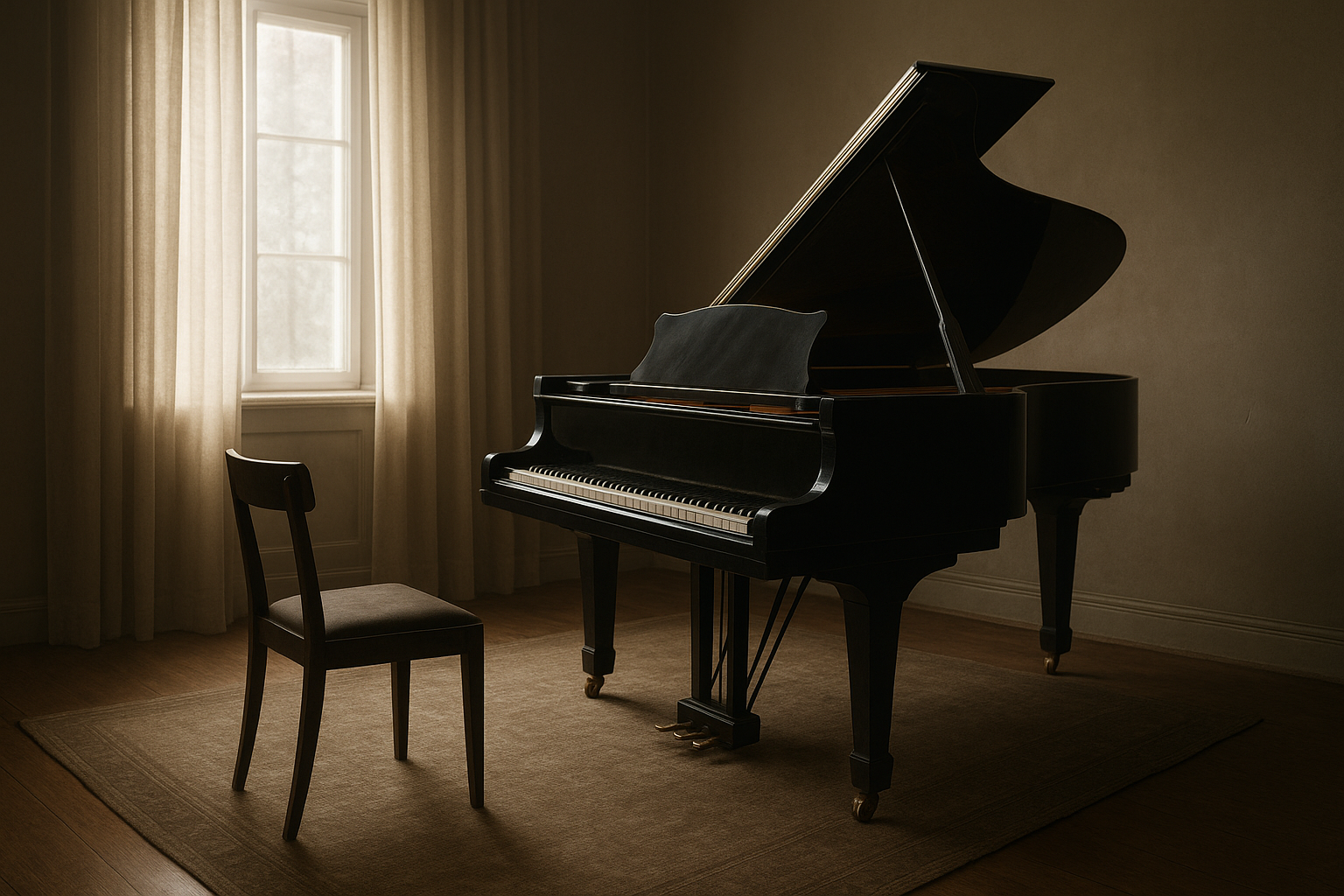
In the realm of music, neoclassical soundscapes carve an intricate niche, blending the heartfelt intensity of classical compositions with the modern aesthetic of minimalism. This genre speaks the language of emotions with an understated eloquence, creating a universe where silence itself becomes a powerful note. But what is it about these modern compositions that captivate and transport their listeners?
Neoclassical music, while inspired by the great maestros of history, steps beyond the boundaries of centuries-old traditions. It embraces the potential of silence between notes as much as the notes themselves. This genre’s emotional resonance is drawn from its simplicity, introspection, and the deliberate use of silence to evoke profound emotions.
The Roots of Neoclassical Soundscapes
The origins of neoclassical music are diverse and complex, rooted in both historic reverence and modern innovation. Artists like Max Richter and Ludovico Einaudi have become synonymous with this movement, where simplicity bears the sophistication of the baroque and romantic eras while encapsulating the essence of contemporary sound.
“Music is the silence between the notes,” said Claude Debussy, encapsulating a fundamental principle that neoclassical composers take to heart. This thoughtful arrangement of silence and sound forms the emotional grammar that underpins neoclassical soundscapes.
Understanding Silence as an Emotional Tool
In neoclassical compositions, silence isn’t merely the absence of sound but a deliberate tool wielded with precision. It prepares the listener for introspection, allowing for moments of contemplation and emotional resonance. This method invites listeners to fill the silence with their own reflections, thereby transforming passive listening into an active, personal experience.
The ancient Greek philosopher, Pythagoras, believed that music could heal both the mind and body. Modern studies suggest that this healing power is deeply connected to how our brains respond to music’s emotional cues, including the pauses and intervals between notes. In neoclassical music, these pauses become fertile ground for emotional engagement.
Emotional Grammar: Structuring Silence and Sound
Music, like language, has a grammar—a set of structural rules that guide its composition. In neoclassical soundscapes, this grammar constructs a dialogue between sound and silence, creating a narrative that is uniquely impactful.
- Minimalist Instrumentation: By utilizing sparse instrumentation, composers ensure each note is distinct, enhancing the emotional impact of each sound. The silence between these notes becomes a canvas, inviting deeper reflection and emotional involvement.
- Repetitive Motifs: Much like the haiku in literature, repetitive motifs in music simplify the complex. This repetition builds a meditative environment where silence becomes an integral part of the motif itself, granting the listener space to explore emotions that the sound unveils.
- Tonal Simplicity: By exploring a single tonal palette or chord progression, neoclassical music harnesses simplicity as a means to evoke a complexity of emotions. This approach allows silence to shine, fostering a complex emotional landscape with minimal sound.
Neoclassical Artists: Voices in Silence
Notable artists have defined and expanded the boundaries of neoclassical music. Below are a few who have mastered the art of weaving sound and silence into emotionally arresting soundscapes:
- Max Richter: Known for works like Sleep, Richter uses silence woven throughout minimalist piano and string arrangements to explore concepts of rest and consciousness.
- Ludovico Einaudi: His compositions, such as Nuvole Bianche, are a testament to the emotive power of simplicity, using silence to accentuate the journey his music embarks upon.
- Nils Frahm: Blending classical piano with modern electronic elements, Frahm manipulates silence and sound, creating pieces that feel both intimate and expansive.
The Listener’s Journey Through Silence
Listening to neoclassical music isn’t merely an auditory experience; it is an emotional journey. The listener is drawn into the space between notes, where silence awaits their interpretation, charging them with inventing their narrative within the music’s frame.
As musician and philosopher John Cage famously stated, “Everything we do is music,” suggesting that even in the silent gaps, music continues to speak to those who listen closely.
Thus, the engaging nature of neoclassical soundscapes is its ability to become a mirror, reflecting the listener’s inner thoughts and emotions. This genre encourages a dialogue rather than providing a monologue, offering a canvas where silence is as articulate as the symphony it frames.
The Future of Neoclassical Soundscapes
As we delve further into unexplored musical territories, the dynamic interplay between silence and sound in neoclassical music continues to inspire composers and audiences around the world. The future of the genre does not lie in it simply reaching larger audiences but in how it makes itself a part of the listeners’ lives by inviting introspection and personal reflection through its grammar of silence.
For more on how neoclassical music is influencing contemporary culture, visit Classical Music and explore the expansive world of soundscapes that comfort and challenge today’s listeners.
In conclusion, the power of neoclassical soundscapes rests in its artistry to communicate profound emotions through the silence between notes—a silence that speaks volumes when heard through empathetic ears and open hearts.