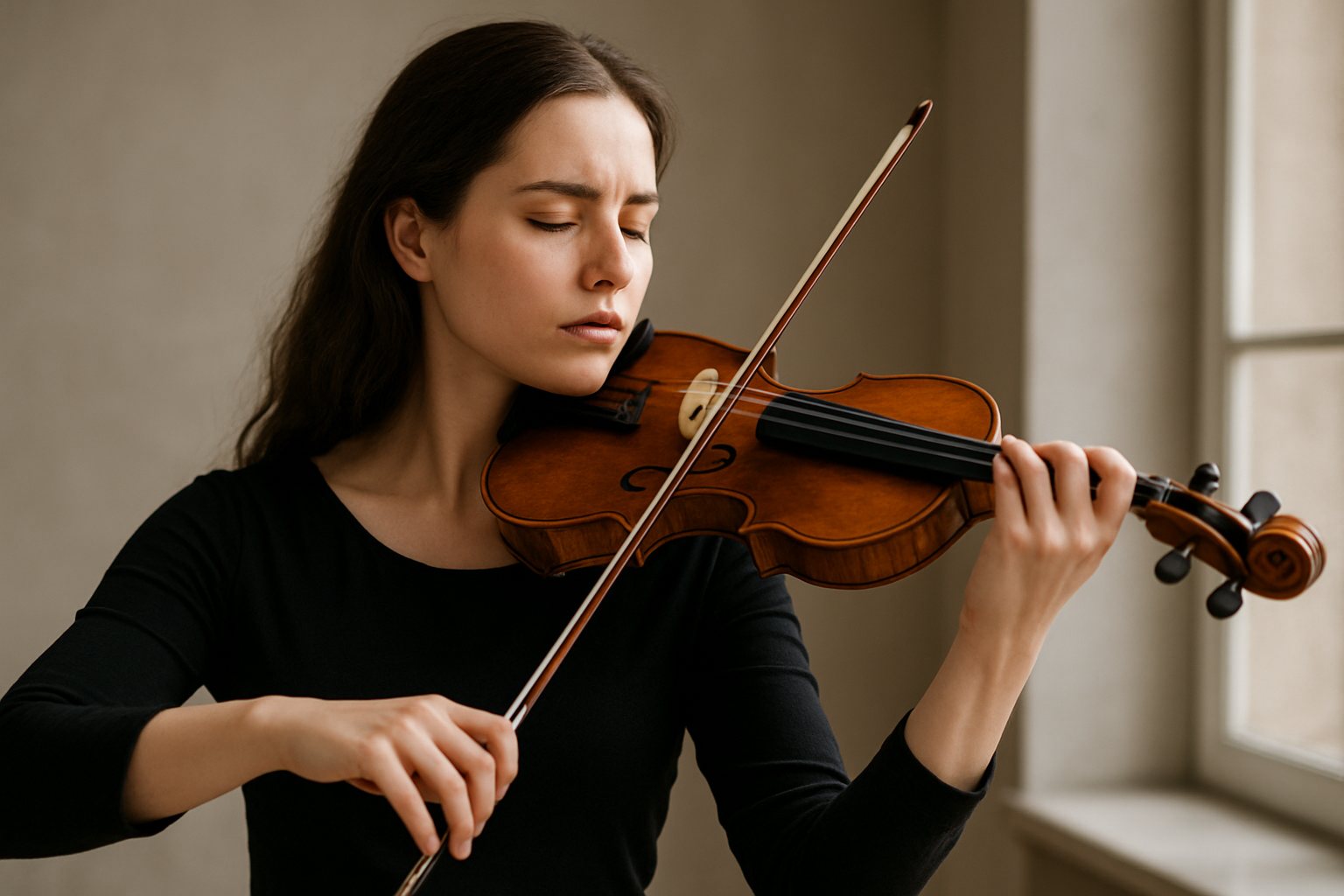
In the ever-evolving landscape of classical music, a new generation of musicians is challenging the traditional boundaries of virtuosity. These emerging voices are not only embracing innovative techniques but also redefining what it means to be a classical musician in the 21st century.
The Shift from Tradition
For centuries, classical music has been steeped in tradition, relying on a well-established repertoire and a set of techniques passed down through generations. However, recent years have witnessed a paradigm shift as artists integrate contemporary influences and technology to broaden their expressive capabilities.
“What makes this new wave of classical vitality different is the much wider range of influences on display… Even the term ‘classical’ itself feels inadequate here.”
Embracing Technology
Modern technology plays a crucial role in this transformation. Musicians are utilizing electronic devices, looping pedals, and digital software to explore new sonic territories. These tools allow for more experimental performances that push the boundaries of classical music and create unique auditory experiences.
- Electronic Integration: Artists such as Nico Muhly and Max Richter are known for combining classical elements with electronic music, creating a hybrid genre that captivates a broad audience.
- Looping and Sampling: Musicians employ looping techniques to layer sounds, creating rich textures and complex harmonic structures that were traditionally unattainable.
- Digital Platforms: Platforms like YouTube and Spotify enable artists to reach a global audience and collaborate across continents, promoting a diverse, cross-cultural exchange.
Innovative Pedagogies
As new techniques emerge, the education of classical musicians is also evolving. Music conservatories and universities are incorporating courses on digital music production and interdisciplinary studies, empowering students to experiment and innovate.
Institutions like the Juilliard School and the Berklee College of Music have adjusted their curriculums to include non-traditional instruments and contemporary repertoire, fostering an environment where creativity is as valued as technical skill.
The Future of Classical Music
As these new approaches gain traction, the definition of classical music continues to evolve. The blending of genres and the embrace of technology challenge purists but also promise a vibrant and inclusive future for classical music.
In conclusion, the reimagining of virtuosity is transforming classical music into a dynamic and forward-thinking art form. As these new voices embrace innovation, they not only keep the tradition alive but ensure its continuous evolution and relevance for generations to come.