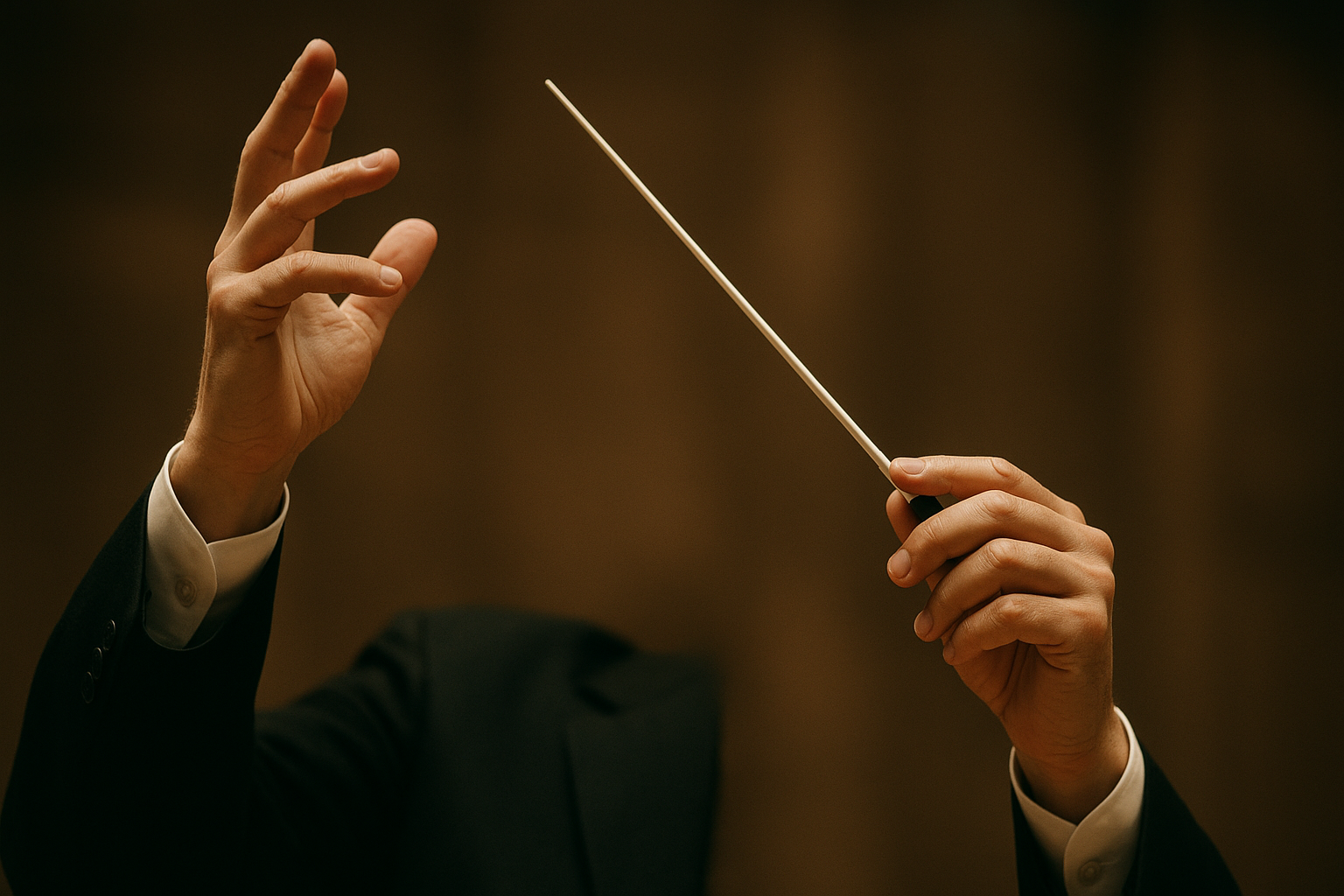
In the world of music, the word “dynamics” often conjures thoughts of volume changes, crescendos, and decrescendos. However, for many musicians and listeners, dynamics represents something far more profound—a spiritual gesture that communicates emotions and connects souls.
The Essence of Dynamics
At its core, dynamics in music refers to the variations in loudness and intensity. These changes can evoke an array of emotions, creating a bridge between the performer and the audience. Often, dynamics are described using terms such as piano (soft) and forte (loud), each signifying the depth of emotion being conveyed.
Renowned composer Igor Stravinsky once said,
“The vitality of an interpretation depends almost entirely on the intensity of the inflections, which are the very soul of the music.”
(BrainyQuote). Stravinsky’s insight reminds us that dynamics are not simply technical instructions but channels through which the spirit of music flows.
Volume as a Spiritual Gesture
- Expressing Emotions: Soft dynamics can evoke intimacy and vulnerability, while loud dynamics can portray strength and passion. Each shift in volume is akin to a spiritual gesture, silently speaking to the audience’s innermost feelings.
- Building Connections: Dynamics play a critical role in the interaction between musicians and listeners. A gentle pianissimo section invites introspection, while a thunderous fortissimo awakens heightened awareness and excitement.
- Breathing Life into Music: Dynamics breathe life into musical compositions, much like a painter adds depth and shade to a canvas. As volume fluctuates, it animates the notes, turning them into living entities that resonate with the listener.
Conclusion
The sacred craft of dynamics transcends the mere technicality of volume changes. It is an art form in itself—a spiritual endeavor that captures the essence of the human experience. As musicians, understanding and mastering this craft allows us to convey complex emotions succinctly, transforming performances into transcendent spiritual experiences.
As Stravinsky so eloquently put it, dynamics are the “soul of music.” As such, they serve as a reminder that the most powerful spiritual gestures often occur in the most subtle fluctuations of sound.