Engineering Emotion: How Producers Shape Classical Feeling
Classical music, revered for its timeless beauty and emotive power, does not merely happen; it is crafted with precision and intention. Behind the orchestral texture and harmonic richness lies a team of producers who meticulously shape the emotional experience for the listener.
The Subtle Art of Sound Engineering
At the heart of this process is sound engineering, where producers wield technology to capture and enhance the nuances of a live performance. The placement of microphones can drastically alter the auditory experience. A closer placement might capture the intimacy of a soloist’s technique, while a strategic distance offers a more blended orchestral sound.
Producers also manipulate reverb to recreate the acoustics of grand halls or intimate salons, enveloping listeners in environments that augment the emotional impact of compositions. As producer Steve Epstein once noted in an interview with NPR, “The way sound is captured can make a world of difference in how a piece of music is perceived and felt.”
Interpreting the Composer’s Vision
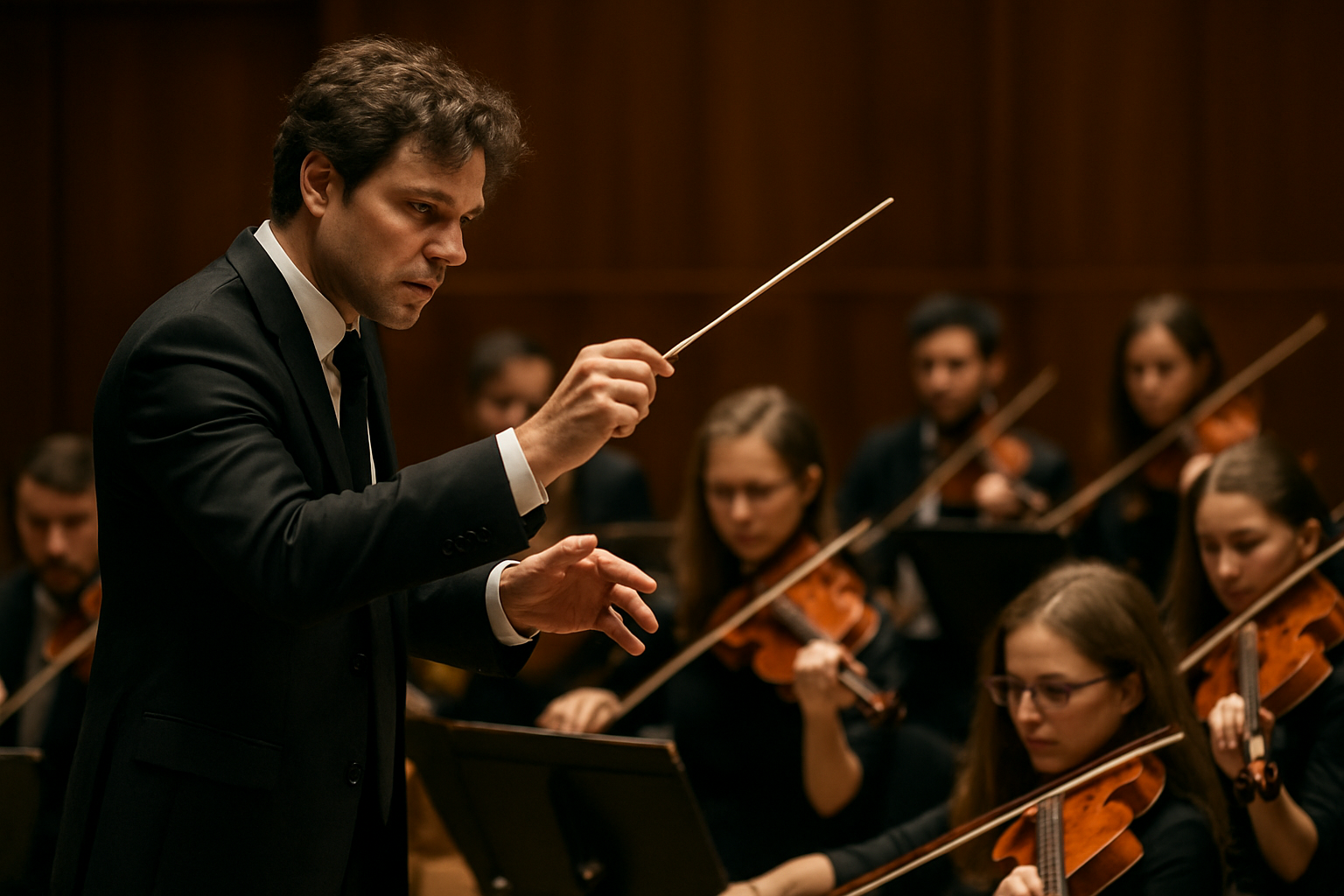
Producers work closely with conductors and musicians to ensure that the composer’s intent is honored while balancing modern expectations. This involves decisions about the tempo, dynamic range, and even the orchestration choices that can allude to historical practices or contemporary innovation.
“We acknowledge the past, but our approach must also resonate with today’s audiences,” says renowned producer Maria Triantos, during a panel discussion at the Classical Music Conference.
Balancing Tradition and Innovation
In the modern era, producers are also tasked with attracting new audiences without alienating purists. This tightrope walk involves innovative practices such as remixing classical pieces or incorporating digital elements that do not disrupt the original composition’s integrity.
- Remixes bring classical works into new genres, offering fresh perspectives.
- Digital Elements integrate subtle electronic sounds, creating a fusion that respects ancient melodies while experimenting with contemporary textures.
Ultimately, the goal remains to preserve the core emotion of the music while exploring its limitless potential. In doing so, producers ensure that classical music continues to evoke a powerful response, bridging the past and the present.
The engineering of emotion in classical music is a delicate dance of sound, tradition, and technology, one that producers continue to master as they shape the emotional landscapes that these masterpieces paint.