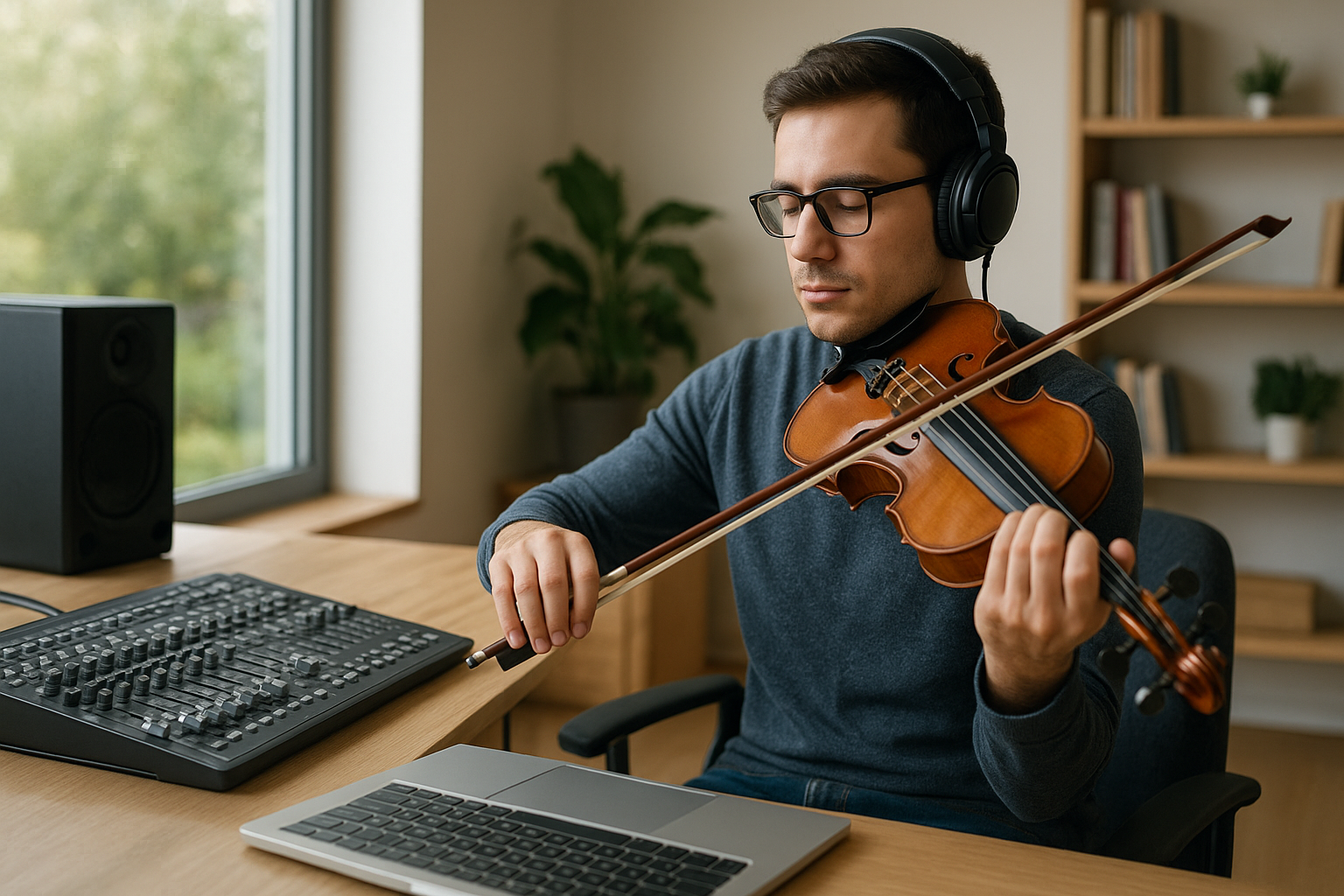
From Studio to Sanctuary – Crafting Classical Soundscapes in Modern Times
The evolution of classical music has been nothing short of revolutionary in the digital age. From intimate studio recordings to mesmerizing virtual performances, classical soundscapes have found new sanctuaries in our modern world. Here’s how contemporary artists and producers are redefining the classical music experience.
The Evolution of Classical Recording Studios
The recording studio is the heartbeat of musical creation, and over time, it has undergone significant transformations.
“The studio is where music comes to life, transcending imagination and materializing into real-world sound,” states Mark Morrison, a renowned music producer.
With advances in technology, studios have become more than just spaces for recording; they are now creative sanctuaries where artists experiment with sound and style.
Technology’s Impact on Classical Soundscapes
The intersection of classical music and technology has paved the way for groundbreaking innovation. Here are some notable advancements:
- High-Definition Recording: Advanced microphones and recording equipment capture the nuances of performance, enhancing audio quality.
- Virtual Reality Experiences: VR technology is providing audiences with immersive concert experiences, offering a front-row seat from their living rooms.
- Artificial Intelligence: AI-driven tools are assisting composers with new compositions, blending human creativity with machine precision.
The Rise of Independent Labels and Artists
In recent years, independent labels and artists have gained significant momentum, challenging the traditional norms of the classical music industry.
“The democratization of music production means anyone with a laptop can compose symphonies,” asserts an article from The Independent.
This shift has opened doors for fresh, diverse voices and experimental compositions that push the boundaries of the genre.
Creating Contemporary Classical Compositions
Today’s composers are blending classical elements with modern influences, crafting unique soundscapes that resonate with younger audiences.
- Electronic Influences: Artists like Max Richter and Ólafur Arnalds incorporate electronic music elements into their compositions, creating a bridge between classical music and contemporary soundscapes.
- Global Inspirations: Composers are drawing from diverse musical traditions worldwide, infusing classical pieces with global sounds and rhythms.
Virtual Performances and the New Concert Experience
While live performances are irreplaceable, virtual concerts offer a different, equally compelling experience. These performances are redefining where and how we enjoy classical music.
“Virtual theaters bring the concert hall to your doorstep, expanding accessibility for audiences who cannot attend in person,” reports the BBC.
Such performances offer a unique advantage, as artists can reach global audiences without the traditional geographical constraints.
The Future of Classical Soundscapes
As we look to the future, the landscape of classical music is set to become even more dynamic and diverse.
- Collaborative Platforms: Artists are utilizing digital platforms for global collaboration, fostering a new era of creative partnerships.
- Sustainability in Production: Environmentally friendly practices in album production and live performances are becoming a priority, aligning with the global movement towards ecological consciousness.
In conclusion, from traditional concert halls to digital sanctuaries, classical music is thriving in modern times. Artists and producers are navigating this brave new world with innovation and creativity, ensuring that the soul of classical music continues to enchant and inspire future generations.