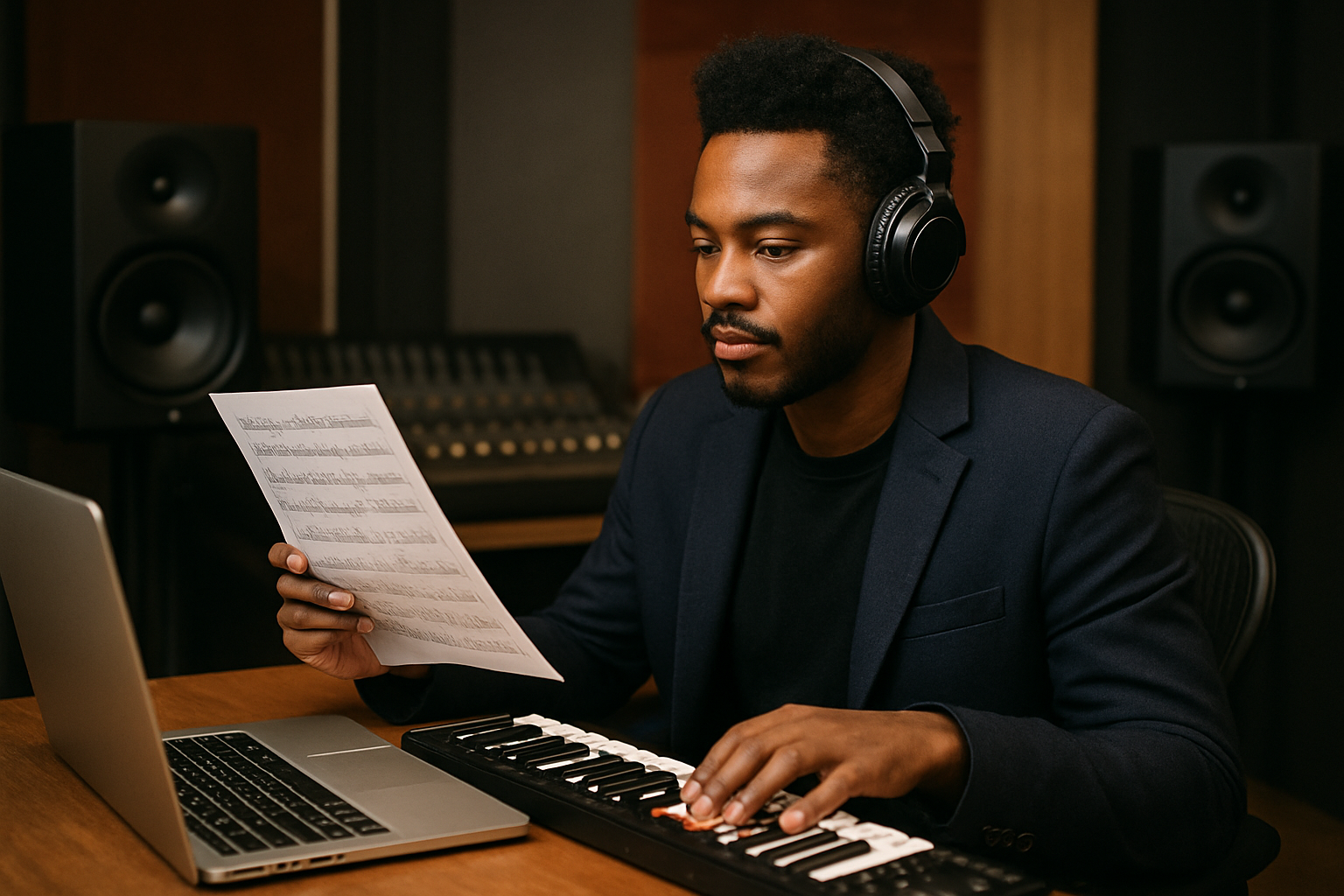
In a world where technology continually reshapes traditional practices, classical music has not been immune to these changes. From collaborative performances via Zoom to virtual orchestras, the classical music sphere is exploring the fine line between human genius and machine innovation. Enter the new classical producer: a figure at the intersection of traditional artistry and cutting-edge technology.
The Evolution of Classical Music Production
For centuries, classical music has been associated with the stalwart dedication of composers like Beethoven, Mozart, and Tchaikovsky, whose works are still celebrated worldwide. Fast forward to today, and the process of creating and producing classical music is undergoing a transformation.
The integration of modern technology into classical music production is creating new opportunities and challenges. As noted by The Guardian, “Technology offers the possibility of not only expanding the audience for classical music but also transforming the very way it is created.”
Artificial Intelligence: Partner or Adversary?
One of the most groundbreaking developments in this transformation is the use of Artificial Intelligence (AI). AI systems are now capable of composing music, conducting orchestras, and even producing entire symphonic pieces. The potential for these technologies to assist and inspire human composers is vast.
However, this raises a critical question: Will AI overshadow human creativity in classical music? A report by The New York Times emphasizes, “Rather than competing against human musicians, AI serves as a tool that enhances their creativity, allowing for new forms of collaboration.”
Blending Tradition with Technology
Producers today must skillfully blend the rich traditions of classical music with modern machine creativity. Here are some key aspects where this blend is becoming evident:
- AI-Assisted Composition: Producers are using AI to generate new compositions, offering a fresh perspective while preserving classical structures.
- Digital Orchestration: Technology allows for digital simulations of orchestras, enabling compositions that might otherwise be impossible to hear live.
- Interactive Concert Experiences: Virtual and augmented reality are being used to create immersive experiences that allow audiences to engage with the music in innovative ways.
Artificial Creativity: Friend or Faux?
Embracing AI in classical music also presents a philosophical dilemma: what does it mean for a piece of music to be “authentically” classical if machines contribute to its creation?
“The question of authenticity in AI-generated music is not merely academic. It challenges our concepts of creativity and originality,” notes Music Professor Elena Georgiou from the University of Musicology.
Proponents argue that machine creativity doesn’t undermine human involvement but rather augments it, providing new tools for expression. Critics, however, fear a future where the human touch becomes overshadowed by algorithmic art.
The Collaborative Future
The integration of AI in classical music production suggests a collaborative future where humans and machines work hand in hand. This symbiotic relationship can lead to a unique form of music creation, where AI-generated ideas are shaped and refined by human artistry.
Composer and producer Anthony Braxton stated in a recent interview with Classical Music Magazine, “AI should be seen as a co-composer—one that provides endless variations and perspectives which may have otherwise been unseen.”
The Impact on Musicians and Audiences
For musicians, this technological shift requires adaptation. Learning to work with AI tools could become as essential as mastering an instrument. Similarly, audiences may also need to expand their understanding and appreciation, recognizing the role technology plays in shaping the music they hear.
Overall, the technological evolution in classical music production invites both musicians and listeners to question and expand their concepts of art and creativity.
Conclusion
The new classical producer stands at a fascinating crossroad of past and future, blending the time-honored artistry of classical music with the groundbreaking innovations of AI technology. As the lines continue to blur between traditional and machine creativity, one thing remains certain: the core of classical music, its ability to move and inspire, will remain timeless.