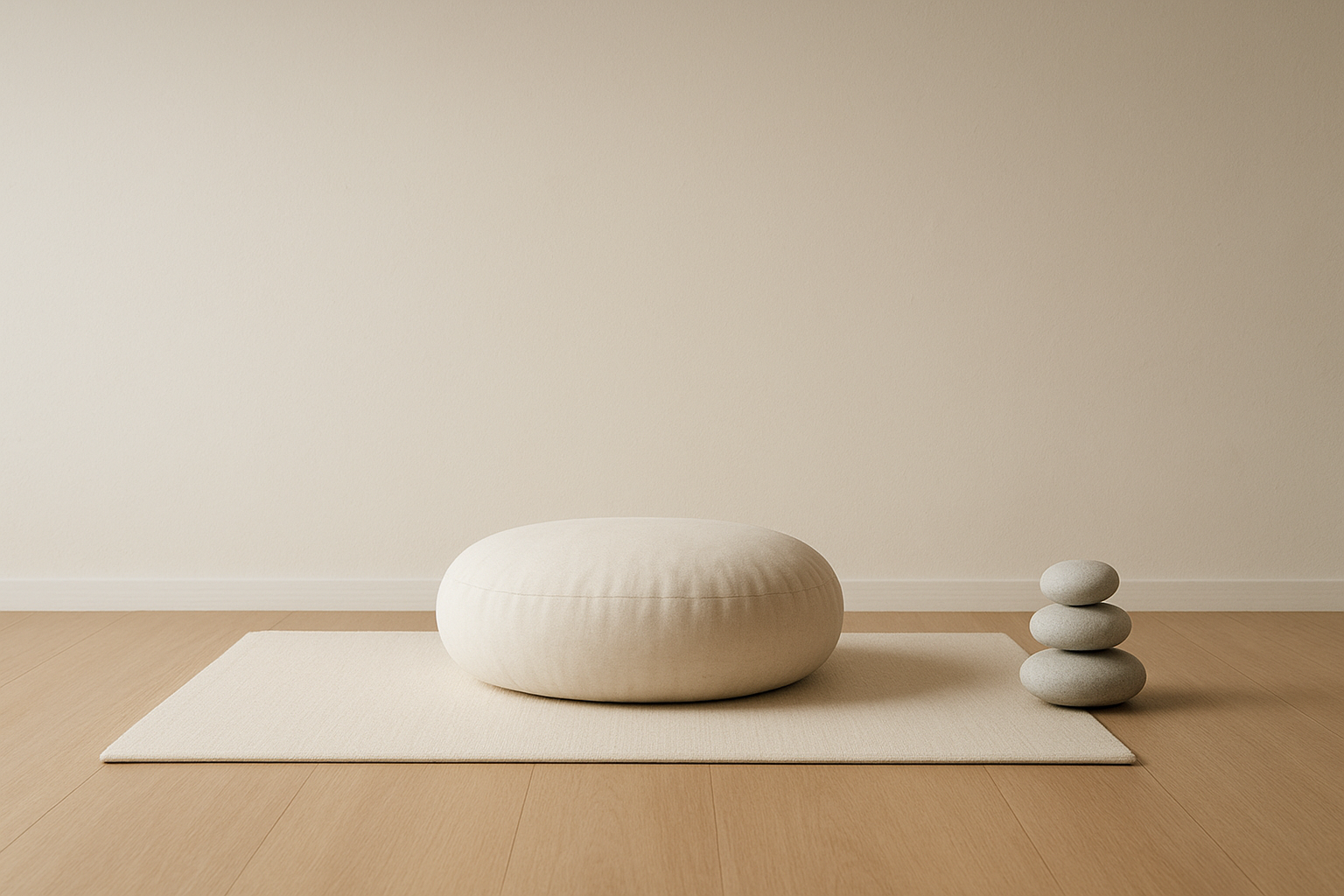
Minimalism as Meditation: Finding Stillness Through Repetition
In our fast-paced and chaotic world, the practice of minimalism emerges as a beacon of simplicity and tranquility. Minimalism, at its core, is more than just an aesthetic or a lifestyle. It is a discipline that encourages us to remove excess and focus on what truly matters. More intriguingly, minimalism can be akin to a form of meditation—where stillness is achieved through repetition and the abandonment of the unnecessary.
The Essence of Minimalism
Minimalism calls for a deliberate stripping away of what is superfluous, allowing for an enhanced focus on what remains. The minimalist mantra often centers on repetition—whether it be a repeated process of decluttering or the reiterative design elements found in minimalist art and architecture. This repetitive nature is akin to meditation, where one finds peace through the continuous return to a singular focus.
Repetition as a Path to Stillness
Repetitive actions and ideas are foundational to many forms of meditation. Much like the repetition of a mantra or a breath in meditation, minimalism uses the repetition of process and form to bring the mind to rest. The famous minimalist artist Donald Judd once said,
“A shape, a volume, a color, a surface is something itself. It shouldn’t be concealed as part of a fairly different whole.”
His work epitomizes how focusing on the repetition of simple forms can bring a sense of contemplation and stillness.
Minimalist Living: A Meditative Exercise
- Intentionality: By consciously choosing belongings and activities, minimalism aligns our environment with our personal values.
- Simplicity: Possessing fewer material items reduces distractions, allowing the mind to rest and focus.
- Mindfulness: The practice of minimalism fosters a mindful awareness of our choices, paralleling the state achieved in meditation.
Minimalism and meditation both advocate for understanding what is truly essential. As in meditation, where one might sit in quiet reflection, minimalism invites an evaluation of one’s possessions and priorities. Author and minimalist proponent Leo Babauta notes,
“Simplicity boils down to two steps: Identify the essential. Eliminate the rest.”
This philosophy, being central to both minimalism and meditation, ultimately leads to a more serene and purposeful existence.
Conclusion
In essence, minimalism as meditation is not merely about reducing physical clutter but about fostering a deeper connection with our inner peace. Through the intentional repetition of essential rituals and rhythms, minimalism offers a meditative journey akin to mindfulness practice, urging us to embrace stillness amidst the noise.
As we explore the potential of minimalism to bring about inner peace, we might find that the greatest luxuries in life come not from abundance but from clarity and simplicity.