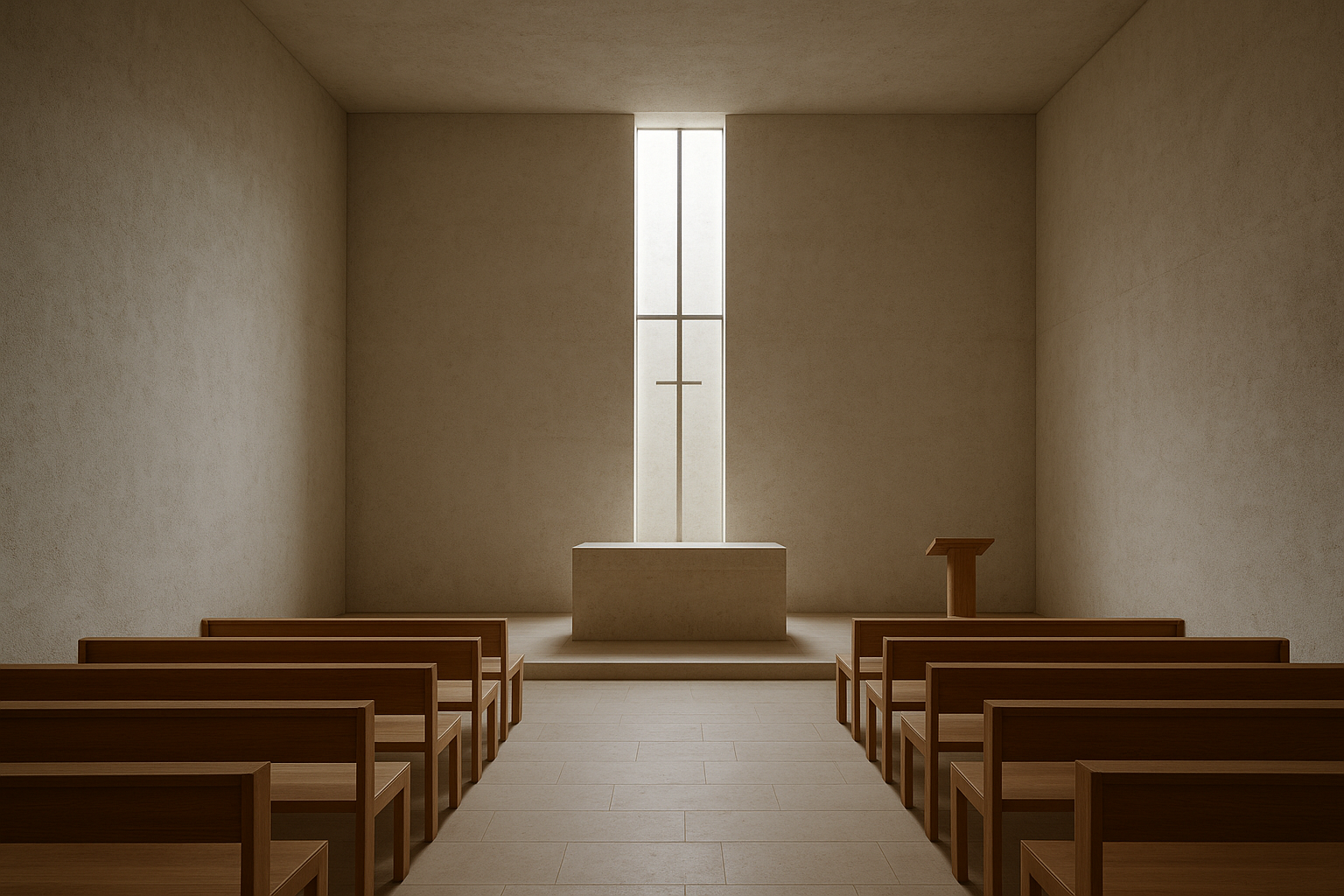
In an era of constant noise and sensory overload, there is a growing appreciation for classical minimalism in architecture and design. This movement, characterized by simplicity and elegance, creates sacred spaces where silence speaks volumes. These spaces are designed not just for their aesthetic appeal, but to enhance a sense of tranquility and introspection.
The Philosophy Behind Minimalism
“Less is more.” This guiding principle, famously articulated by architect Ludwig Mies van der Rohe, underscores the minimalist philosophy. By stripping away the superfluous, minimalist design focuses on the essential, highlighting the interplay of light, space, and form. This intentional simplicity allows occupants to experience a deeper connection to their surroundings and themselves.
Creating Sacred Spaces
- Material Choices: Minimalist spaces often employ natural materials like wood, stone, and glass. These materials not only enhance the aesthetic but also promote a sense of groundedness and continuity with the natural world.
- Spatial Design: Open floor plans with large, unadorned surfaces invite contemplation and peace, allowing individuals to project their thoughts without external distractions.
- Light and Shadow: Expertly crafted minimalist spaces often use natural light to create a dynamic interplay of light and shadow, encouraging reflection and changing throughout the day.
Iconic Minimalist Spaces
There are numerous examples of minimalist design that evoke a sacred aura through their architectural brilliance:
“Architecture should speak of its time and place, but yearn for timelessness.”
- The National Museum of Design: This venue exemplifies minimalist design through its thoughtful use of open space and natural light.
- Sister Chapel: An architectural masterpiece where silence is palpable, designed to encourage introspection.
- This Dune Road Residence by Stelle Lomont Rouhani: Situated along the coastline, it showcases how minimalism can merge seamlessly with nature.
The Future of Minimalist Sacred Spaces
As more individuals seek refuge from the cacophony of modern life, the demand for minimalist sacred spaces continues to rise. These places transcend mere physical structure, becoming sanctuaries for the mind and soul. As renowned artist Georgia O’Keeffe once said, “To create one’s world in any of the arts takes courage.” In the realm of architecture, this courage is embodied through the silent power of minimalism.