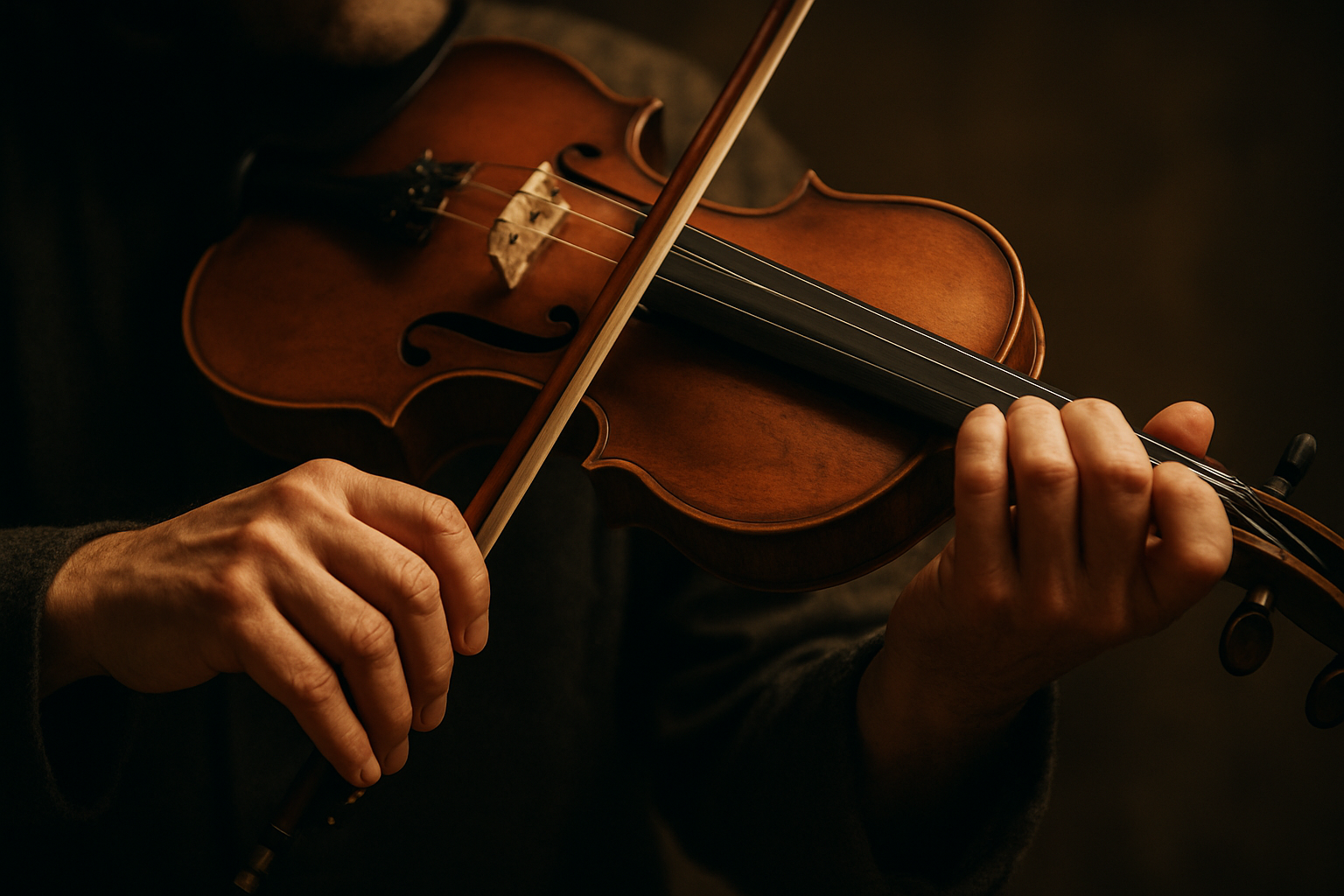
String Resonance as Prayer: The Spiritual Power of Bowed Instruments
Music has always held a unique capacity to convey emotion, transcend barriers, and evoke the ineffable—a perception of the divine. Among the various musical instruments, bowed strings have a particularly profound role in encapsulating the sacred. When the bow draws across the strings, it can create a sound that resonates with the very fibers of our existence. This phenomenon can often feel like a prayer in sonic form.
The Origins and Evolution
Bowed string instruments date back to ancient times. The violin, viola, cello, and double bass, as we recognize them today, are descendants of medieval and Renaissance instruments. These instruments evolved over centuries, refining their shape and sound to allow a full expression of emotional depth.
According to Encyclopædia Britannica, “The evolution of the violin involved transformations to cater to new expressive needs.” Each adjustment and design improvement was not only a technical innovation but also an artistic exploration. It was an endeavor to bridge the human experience with something greater—possibly the divine itself.
The Spiritual Connection of Strings
In many cultures, music and spirituality are profoundly intertwined. The resonant sound of a bowed string instrument is often perceived as transcendent. Its ability to mimic the human voice gives these instruments an expressive power akin to speaking or singing a prayer.
Cellist Yo-Yo Ma once described the cello’s sound as something that “approximates the human voice,” adding that “it makes one feel like you are in touch with somebody else’s soul” (The Guardian). This sentiment underscores the spiritual power encapsulated within the resonance of strings.
The Role of Ritual and Meditation
String ensembles frequently play a role in religious and spiritual ceremonies around the world. The soothing and sweeping sound of strings can aid meditation, focus, and reflection. Whether it’s the solemn intonation of a solo piece during a religious service or the uplifting harmonies of a symphony, the music enhances the spiritual atmosphere.
The repetitive motion of bowing and the sustained sound produced can be meditative, leading players and listeners alike to a state of deep introspection and connection. The act of playing becomes a form of prayer, the bow a tool for channeling emotion and intent.
Scientific Insights
Research has shown that music, including that produced by bowed strings, affects the brain in ways that are similar to meditative states. According to a study by Mitchell M. Tseng, published in Frontiers in Psychology, auditory experiences with music can engage the brain’s reward system, releasing dopamine and fostering positive emotions.
This neural engagement is why string music can feel spiritually uplifting. It strengthens the listener’s sense of wellbeing and can bring about a perception of connectedness—whether to a higher power, others, or themselves.
Modern Interpretations and Legacy
Contemporary composers and artists continue to explore the spiritual potential of bowed instruments. Works by composers like Arvo Pärt and John Tavener reflect a minimalist approach that emphasizes the resonance and purity of string sound, establishing a sacred tradition within modern concert music.
“Pärt creates feeling, atmosphere and a colossal spirituality,” said Estonian conductor Tõnu Kaljuste in an interview. “It’s like a new kind of sacred music for our times” (Gramophone).
The spiritual implications of string music have found resonance in popular music as well. Artists and producers frequently use string compositions in film scores and ambient music to invoke emotional depth, illustrating their timeless appeal and powerful emotive capabilities.
A Call to Harmony
The spiritual power of bowed instruments lies in their ability to connect deeply with the human spirit. Whether serving as an accompaniment to religious rituals, aiding personal reflection, or simply providing serene listening experiences, the resonance of strings acts as a conduit for the sacred.
As we continue to explore the potential of sound as a form of prayer and meditative practice, the reverberating call of the bowed string instruments reminds us of our innate desire for harmony within ourselves and the universe.
Listening closely, we may find that each note echoes a universal truth—each sound wave a ripple in the vast, unending ocean of spiritual connection.