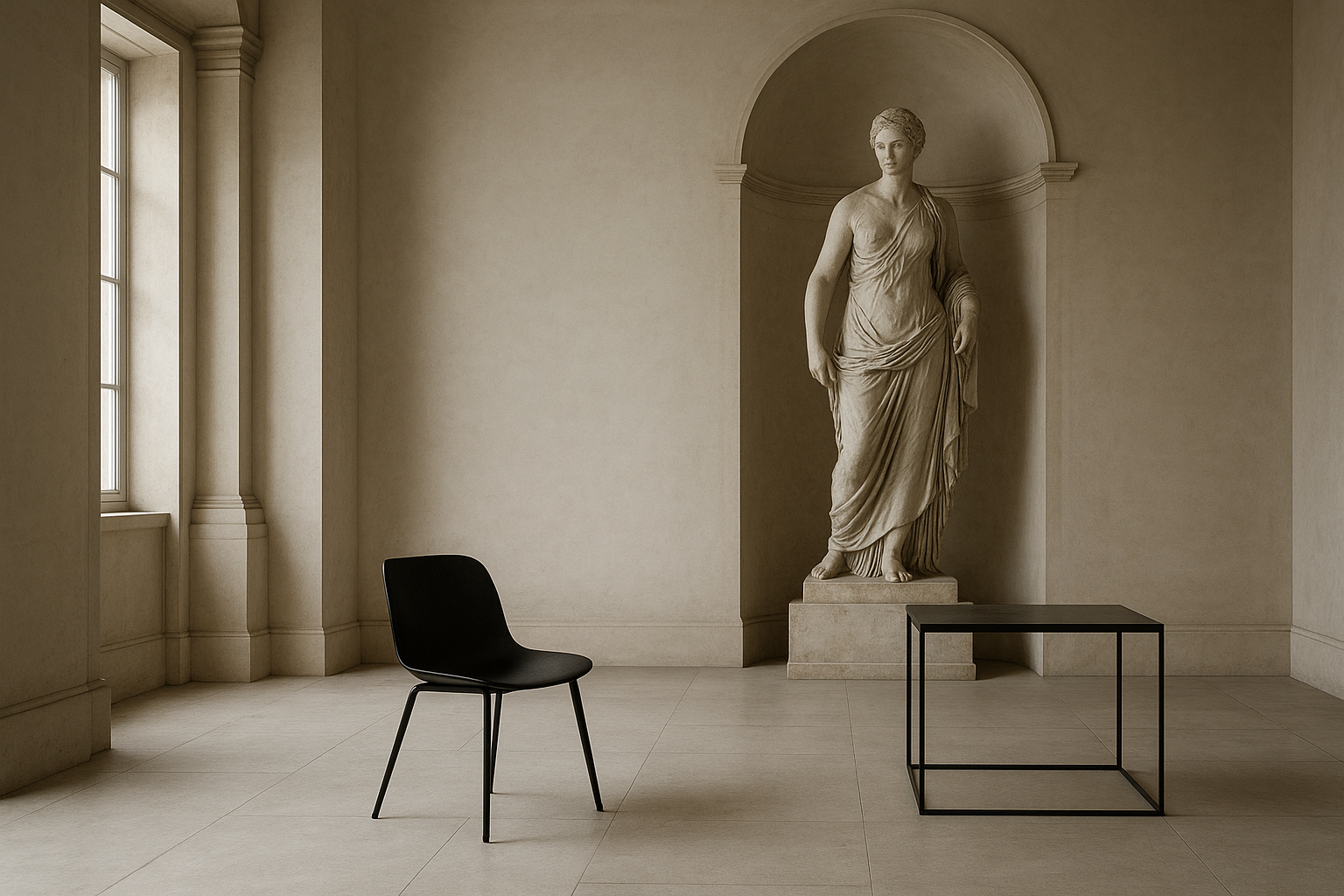
In an era where music often seems saturated with layers and digital complexity, the emergence and popularity of minimalist music offer a refreshing contrast. While it may seem like a contemporary innovation, modern minimalism deeply roots itself in classical traditions, drawing a direct line from past to present.
The Foundations of Minimalism
Minimalism in music emerged prominently in the 1960s, led by pioneers such as Steve Reich, Philip Glass, and Terry Riley. Their compositions are characterized by repeated motifs, steady harmonies, and gradual transformations. This style, while seemingly avant-garde, resonates harmoniously with many foundational aspects of classical music.
Echoes of the Past
One can trace minimalism’s ancestry back to the Baroque era and even earlier periods, where repetition and variation were crucial elements. Johann Sebastian Bach’s use of counterpoint and thematic development showcases early examples of minimalist techniques. These compositions accomplish the profound task of creating intricate soundscapes from simple, recurring patterns.
Classical Inspirations
- Bach’s Inventions: Bach’s keyboard works often explore repetitive motifs, developing them in complexity and variation, a technique central to minimalism.
- Claude Debussy: Often considered a precursor to modern minimalist composers, Debussy’s work emphasized texture and timbral subtleties over traditional structure, akin to the sparse soundscapes of minimalism today.
- Erik Satie: With compositions like “Gymnopédies,” Satie moved away from embellishments, focusing on simple, evocative melodies, thus foreshadowing minimalist aesthetics.
Bridging the Gap
Modern minimalist artists build on these historical foundations to craft soundscapes that resonate with today’s audiences. The minimalist movement bridges the historical with the contemporary, creating music that is innovative yet inherently familiar in its structural simplicity.
“Minimalism is not a new style in music but rather a reassessment and extension of historically significant ideas,” says musicologist Kyle Gann.
Sparse Soundscapes of Today
Today’s minimalist music embodies simplicity, embodying a “less is more” philosophy that appeals to modern sensibilities. This genre sees a rise in popularity not only in concert halls but also in film scores and popular music, where the efficiency of sound conveys profound emotion. It offers a respite from the cacophony of the modern world, making it a fitting reflection of our time.
By reconnecting with the compositional patterns of the past and reimagining them for contemporary ears, today’s minimalist composers ensure that the genre remains both timeless and refreshingly new.