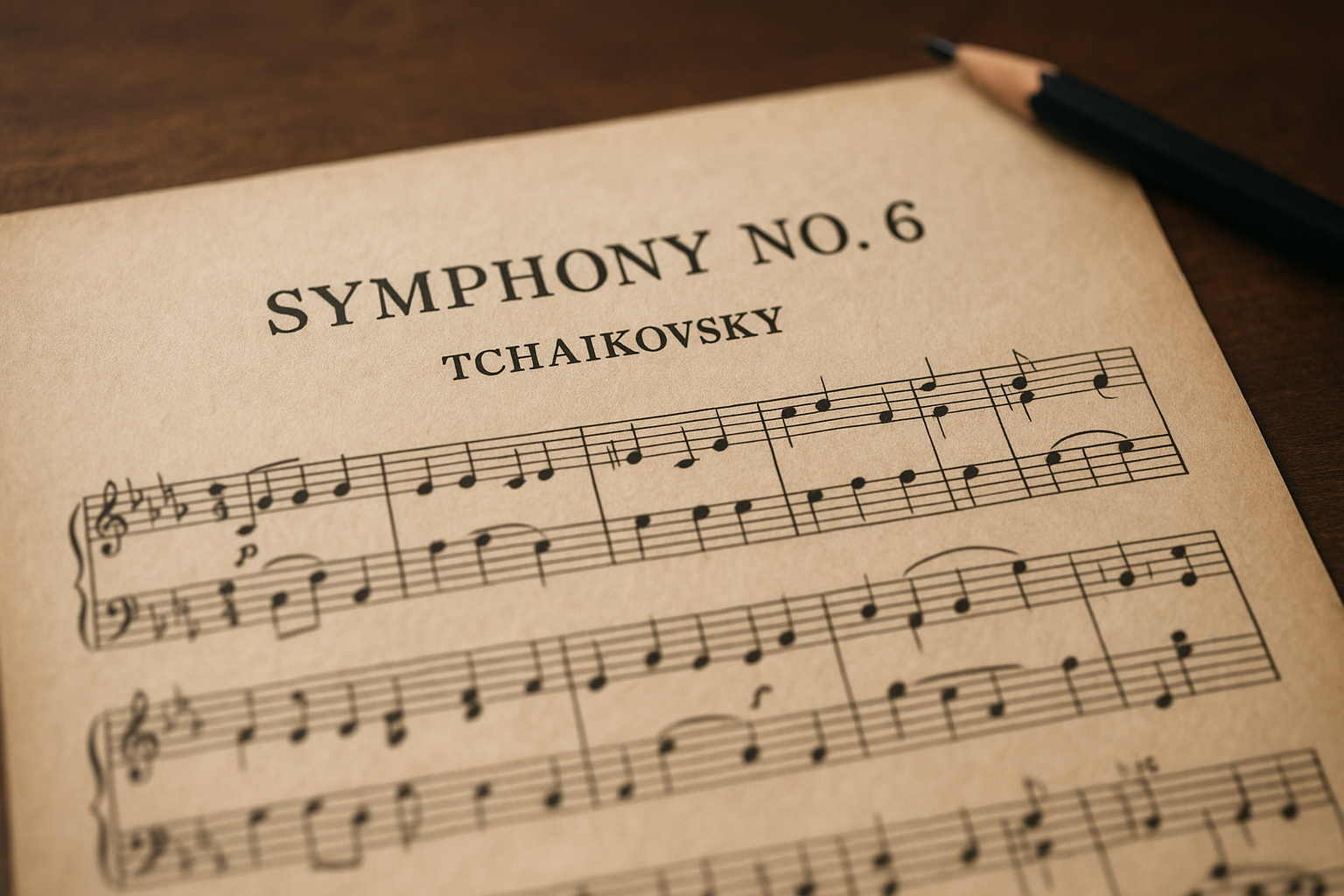
The Sixth Symphony (Pathétique): Tchaikovsky’s Use of Cyclic Form
Pyotr Ilyich Tchaikovsky’s Symphony No. 6 in B minor, Op. 74, also known as the Pathétique, stands as a poignant testament to the composer’s emotional depth and technical mastery. This symphony, which explores themes of fate, despair, and existential reflection, is an exemplary use of the cyclic form. Through its innovative structure, Tchaikovsky introduces themes that transcend individual movements, creating a unified artistic work that continues to resonate with audiences to this day.
Understanding Cyclic Form
The cyclic form is a compositional technique where a theme or motif recurs in multiple movements of a work, acting as a unifying thread. This technique allows composers to create a cohesive musical narrative, maintaining thematic coherence throughout their compositions. In the Pathétique Symphony, Tchaikovsky employs this technique to great effect, weaving a recurring motif throughout the symphony’s structure.
Thematic Recurrence in the Pathétique
In Tchaikovsky’s Pathétique, the cyclic form is evident in the recurrence of motifs that appear in various movements, shaping the emotional contour of the symphony. According to Britannica, the composer stated that his Sixth Symphony was “the best thing I have composed.” His profound commitment to the piece is reflected in the careful intertwining of musical themes.
- First Movement: Adagio – Allegro non troppo
The symphony opens with a somber, introspective theme in B minor, introduced by the lower strings and bassoons. This theme, which represents the overarching emotional state of the work, reappears in various guises throughout the symphony. This movement, described by Classic FM as “a battle between despair and resolution,” sets the emotional stage for what is to come.
- Second Movement: Allegro con grazia
In contrast, the second movement provides a lyrical break, featuring a 5/4 waltz. Yet, Tchaikovsky subtly reintroduces fragments of the initial theme as undercurrents, which can be perceived in the rhythmic and harmonic fabric of the movement.
- Third Movement: Allegro molto vivace
This energetic march seemingly departs from the somber mood but is infused with the symphony’s cyclical nature through rhythmical and thematic echoes of earlier material. The triumphal nature of the march builds tension, setting up the profound emotional release of the final movement.
- Fourth Movement: Finale: Adagio lamentoso
The symphony concludes with the return of the initial mournful theme. The cyclical nature manifests here most powerfully, as the motifs from the first movement are revisited, providing a poignant sense of closure. As noted by critic Melvin Berger in The Story of the Symphony, this movement’s recurrence of themes “suggests resignation and acceptance in the face of unavoidable fate.”
Tchaikovsky’s Emotional Landscape
The thematic recurrence in the Pathétique is not merely a technical exercise; it is deeply tied to the emotional and narrative arc of the symphony. The interplay of themes across movements compels the listener to experience a wide spectrum of emotions, from hope and joy to profound sorrow. This emotional intensity, aligned with the cyclic form, creates a powerful narrative that reflects Tchaikovsky’s personal struggles and philosophical musings.
“Without exaggeration,” Tchaikovsky wrote to his nephew Vladimir Davydov, “I have put my whole soul into this symphony.”
Such raw expression is reflected in the symphony’s final movement, which returns to the opening’s desolate material, ending softly and tragically, a stark acknowledgment of the endless cycle of life and despair.
Legacy and Interpretation
The Pathétique Symphony’s ingenious use of cyclic form influenced subsequent composers and is considered a hallmark of Tchaikovsky’s mature style. Its emotional depth and structural innovation have inspired musicians, conductors, and scholars to delve into its complexities. Leonard Bernstein famously remarked during a televised lecture that the symphony “is a heartbreaking reminder of the temporality and fleetingness of human joy.”
This symphony’s cyclical design invites diverse interpretations and adaptations, resonating with each generation in unique ways. It remains a staple of the symphonic repertoire, continuously captivating audiences worldwide.
Conclusion
Tchaikovsky’s Sixth Symphony, with its profound use of the cyclic form, remains an iconic work in the canon of classical music. The emotional and thematic unity achieved through recurring motifs creates a narrative that transcends the notes on the page, offering listeners an exploration of the depths of human emotion. In the words of the composer himself, it captures the essence of his emotional soul, presenting a beautiful yet heart-wrenching journey that continues to echo through time.