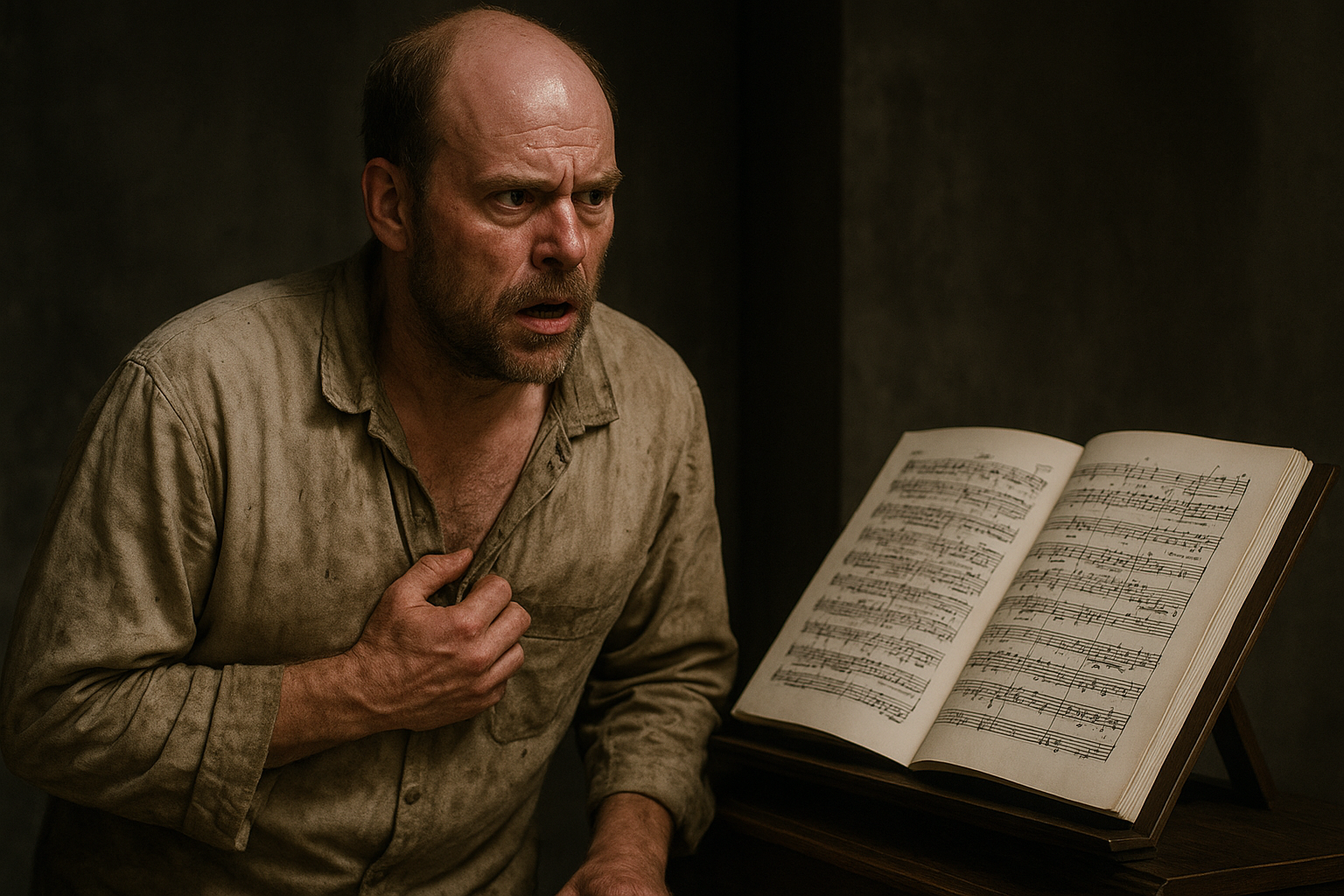
Wozzeck: Berg’s Atonal Opera and Its Highly Structured Score
Alban Berg’s Wozzeck stands as a monumental work in the history of 20th-century opera. Renowned for its atonal composition, the opera is equally celebrated for its meticulous structure that defies the chaotic impressions often associated with atonal music. Premiering in 1925, Wozzeck marked a significant departure from traditional tonal operatic forms and ventured into a new realm of musical exploration.
The Genesis of Wozzeck
The opera is based on the unfinished play Woyzeck by German playwright Georg Büchner, which was written in the early 1830s but not performed until 1913. Berg attended the first Viennese performance in 1914 and was deeply moved by its themes of alienation, poverty, and madness. This encounter led him to begin working on his operatic adaptation.
“Berg’s decision to compose Wozzeck was as bold as it was revolutionary. At a time when much of the musical world was still clinging to the last vestiges of romanticism, Berg charted a course into uncharted waters.” – Alex Ross, The Guardian
Exploring Atonality in Wozzeck
Atonality in Wozzeck is not merely an abandonment of traditional key centers but forms a major component of Berg’s expressive language. By eschewing the hierarchical structures of tonality, Berg crafts a sound world that intensely depicts the complex emotions and psyche of the characters. The opera’s soundscape allows for a visceral connection between the music and its dramatic narrative.
- Character Themes: Each character’s emotional world is encapsulated by specific musical motifs, underscoring their psychological depth and furthering the dramatic tension.
- Leitmotif Use: Although atonal, Berg employs leitmotifs—a technique pioneered by Wagner—to enhance thematic continuity within this avant-garde framework.
The Highly Structured Score
Despite its atonal nature, Wozzeck reveals an astonishing degree of structural discipline. Berg’s score is meticulously organized, with each act employing distinct musical forms and techniques.
Acts and Forms
Act I
- Suite: The suite format here introduces the major characters and establishes the thematic groundwork of the opera.
- Rhapsody and March: Both serve to develop the initial motifs presented, emphasizing the interplay of psychological and musical elements.
Act II
- Symphony in Five Movements: Emulating a traditional symphonic structure, this act represents societal pressures and Wozzeck’s deteriorating mental state.
- Inventions: Each scene is developed around an “invention,” focusing on a single musical element, such as rhythm or harmony, to underscore the narrative.
Act III
- Six Inventions on a Note: These episodes depict the unraveling and tragic climax of the story, with each invention intensely focusing on the protagonist’s fate.
The Impact of Wozzeck
The premiere of Berg’s Wozzeck was a major cultural event and significantly influenced the future of musical composition, opera, and theater. Despite its initial shock to audiences unfamiliar with atonality, the opera has since become a cornerstone of the modern repertoire, admired for its innovative approach and profound emotional impact.
Critics and musicians have widely recognized Berg’s masterful ability to combine structural rigor with an expressive freedom unbounded by conventional tonal limits. It paved the way for further exploration by subsequent composers, embedding the concept of atonality as a viable, expressive musical language.
Legacy and Continuing Relevance
Wozzeck continues to be performed worldwide, resonating with audiences through its exploration of timeless and universal themes as relevant today as in the 1920s. Its lessons about the human condition, the socio-economic divide, and mental anguish are brought to life through Berg’s unparalleled treatment of his score, ensuring its place in the pantheon of musical and operatic achievement.
“Wozzeck solidified Berg’s place in the annals of modernity, while challenging each listener to confront the stark realities captured by its dissonant yet achingly beautiful music.” – The New York Times
Wozzeck remains not only a testament to Berg’s genius but also a beacon of 20th-century innovation, daring to redefine the limits of operatic expression.