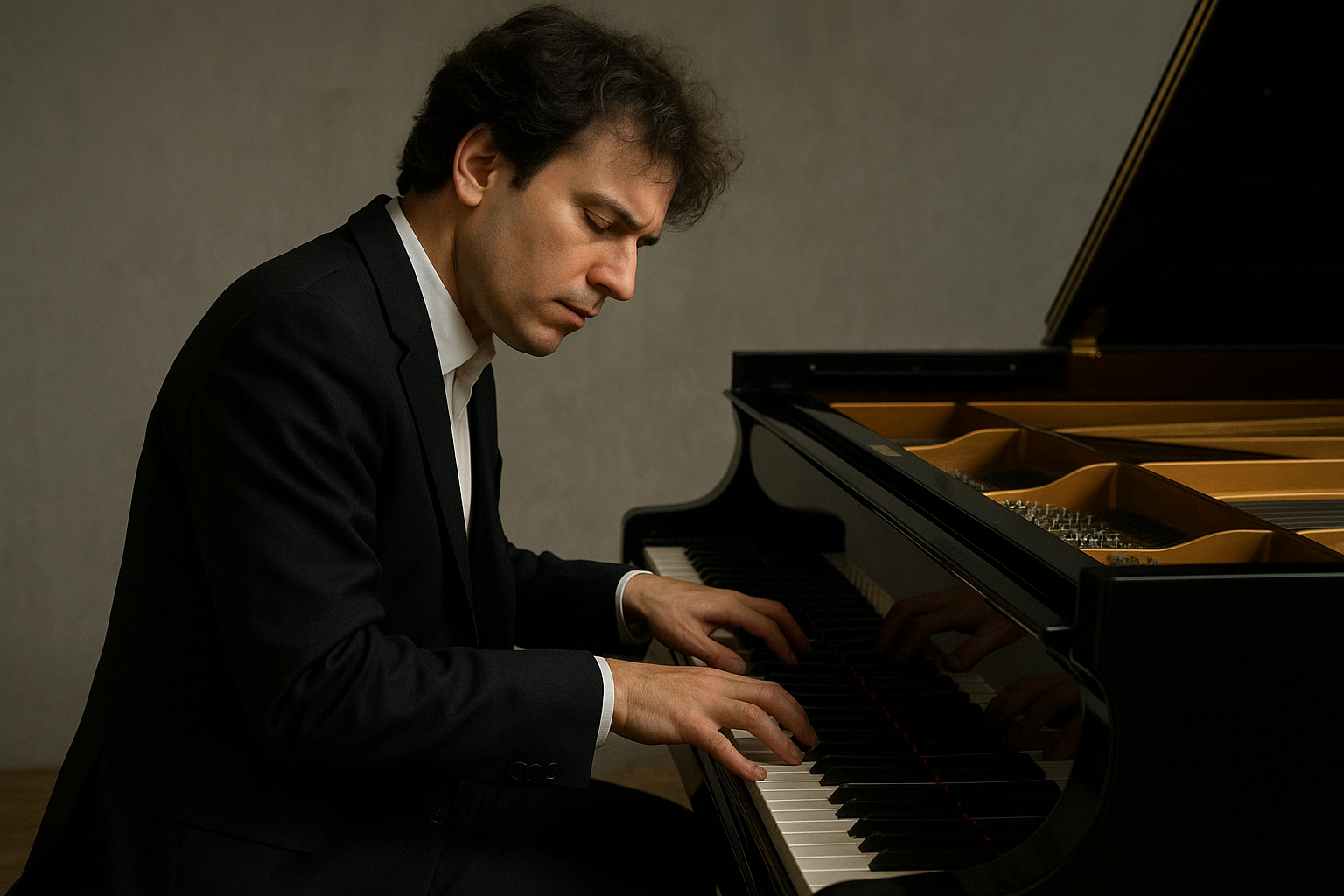
The Hammerklavier Sonata: Beethoven’s Everest of Piano Literature
The Hammerklavier Sonata, formally known as Sonata No. 29 in B-flat major, Op. 106, is widely regarded as one of Ludwig van Beethoven’s most challenging compositions. This formidable sonata, often referred to as Beethoven’s “Everest” of piano literature, represents a pinnacle of the piano repertoire and serves as a testament to the composer’s innovative spirit and technical prowess.
A Composition Ahead of Its Time
Composed between 1817 and 1818, the Hammerklavier Sonata was a groundbreaking piece that pushed the boundaries of piano music during the Classical era. Beethoven dedicated the sonata to his patron, Archduke Rudolf, and it’s renowned for its complexity, length, and technical difficulty.
Often described as an intellectual and emotional journey, the sonata comprises four movements:
- Allegro: A powerful opening movement that introduces the commanding themes and energetic rhythm.
- Scherzo: Assai vivace: A vibrant and playful contrast to the intensity of the first movement.
- Adagio sostenuto: Considered the emotional core of the sonata, it stretches the boundaries of a slow movement’s expression.
- Introduzione – Fuga: Allegro risoluto: A monumental double fugue that resolves the sonata in a tour de force finale.
An Everest of Technical Challenges
The Hammerklavier is infamous for the technical difficulties it presents to performers. Pianist and noted Beethoven interpreter Alfred Brendel once commented, “If I ever achieve perfection, I would like it to be in this work.” The sonata’s demands include rapid octave passages, complex fugues, and wide-ranging hand crossings that require incredible dexterity and endurance.
“It is, indeed, the seriousness, profundity, and sublimity of the problems posed rather than their strictly pianistic difficulty that causes this sonata to stand out.”
— Charles Rosen, The Classic Style: Haydn, Mozart, Beethoven
An Emotional and Intellectual Journey
Beyond its technical aspects, the emotional depth of the Hammerklavier Sonata is what captivates performers and listeners alike. The third movement, Adagio sostenuto, is often described as one of the most profound movements Beethoven ever composed. It demands introspection, with an ethereal and somewhat mournful quality that poses interpretive challenges for pianists seeking to convey its full emotional range.
The final movement, a fugue of nearly unmatched complexity, requires not only technical precision but also a keen understanding of its intricate structure. Beethoven managed to transcend traditional sonata form, blending the intellectual rigor of a fugue with the expressive power of his romantic spirit.
Receiving and Performing the Hammerklavier
The Hammerklavier Sonata was not immediately appreciated upon its initial performances. Its length and difficulty left audiences and some musicians bewildered. However, its reputation has grown significantly, becoming a hallmark of any pianist’s repertoire. Performing the Hammerklavier is now deemed an achievement marking a mature and accomplished artist.
Pianist Glenn Gould, known for his iconoclastic interpretations of classical compositions, took a notable approach by slowing down the famously fast first movement, which sparked debates about interpretation and fidelity to the composer’s intentions.
A Legacy of Mastery
The Hammerklavier Sonata remains a constant challenge and source of inspiration for pianists worldwide. Its combination of technical difficulty, emotional depth, and intellectual rigor make it a symbolic “Everest” that many aspire to conquer.
Indeed, as Beethoven himself ventured into the boundaries of human expression with this monumental work, he immortalized his artistic vision, ensuring that the Hammerklavier would remain a central piece in the study of piano literature.
“It’s hard to bring it off well—impossible, in fact, except for a few.”
— Paul Badura-Skoda, renowned Beethoven interpreter
Ultimately, Beethoven’s Hammerklavier encapsulates the spirit of exploration and mastery, inviting both performers and listeners to undertake their journey through its challenging and profound landscape.