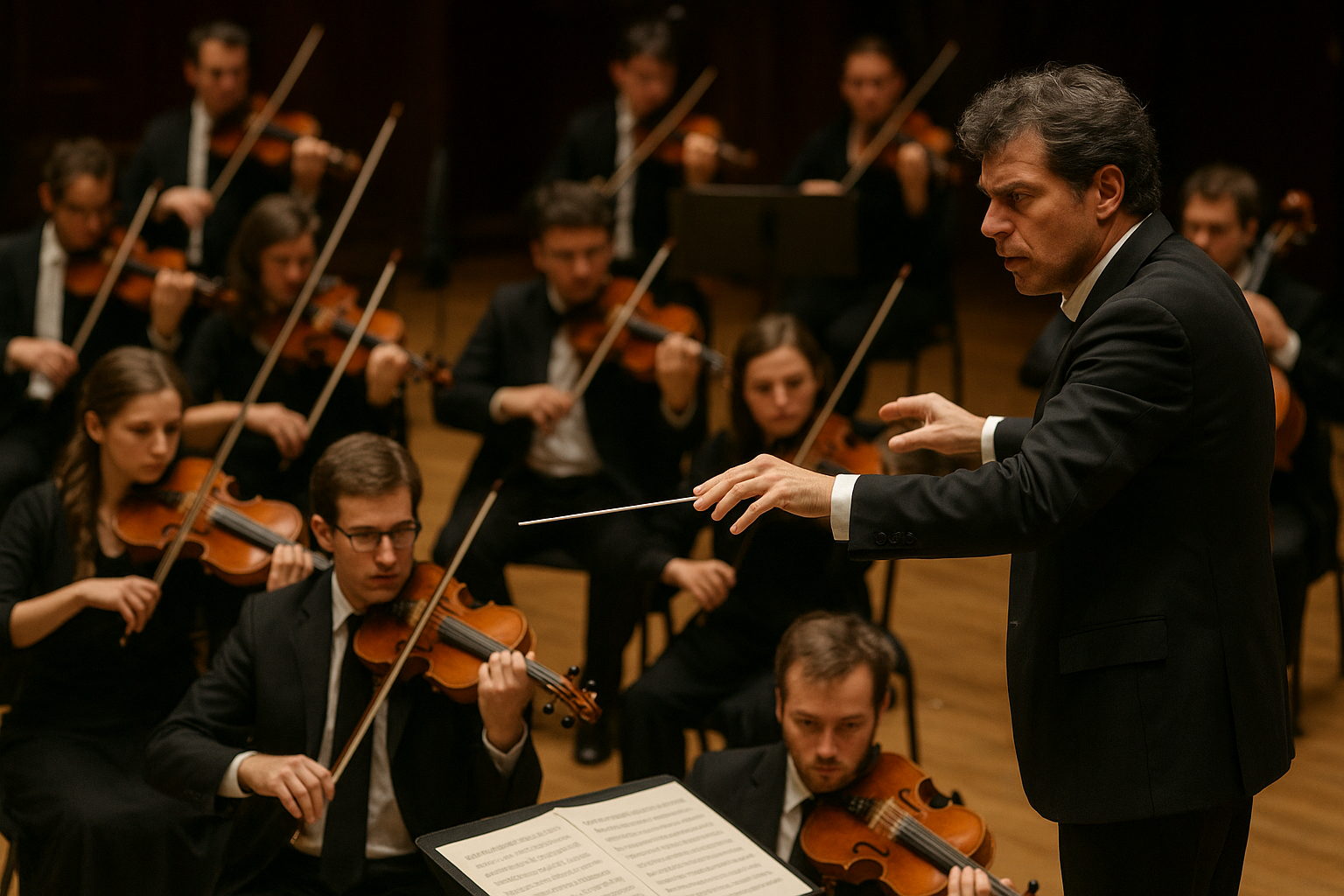
The Rite of Spring by Igor Stravinsky is hailed as a groundbreaking work in the world of classical music. First performed in 1913, this ballet and orchestral concert transformed musical norms through its innovative use of rhythm and harmony. Today, it remains a staple of 20th-century music analysis and appreciation.
Rhythmic Complexity
One of the most striking features of The Rite of Spring is its complex rhythms. Stravinsky broke away from traditional metrical patterns, introducing shifting accents and irregular time signatures that challenged both performers and audiences.
- In the celebrated “Dance of the Adolescents,” Stravinsky employs constantly changing meters, creating a sense of unpredictability and excitement. The pattern often alternates between 2/4, 3/4, and even 5/8 times, rendering it almost impossible for listeners to settle into a regular beat.
- The introduction of techniques such as polyrhythms, where multiple contrasting rhythms occur simultaneously, adds to the layers of complexity. This often mirrors the chaotic and primal themes of the music.
“The idea of a solo bassoon opening a concert while playing in the highest part of its register was absurd… yet somehow this created a haunting and unforgettable sound.” — CNN
Harmonic Dissonance
Stravinsky also embraced harmonic dissonance, which was largely unconventional at the time. His use of polytonality, where two or more keys are played simultaneously, creates a jarring yet fascinating sonic tapestry.
- The notorious chord that opens “The Augurs of Spring” consists of a dissonant combination of E-flat and F-flat major triads played together, creating tension and energy.
- By embracing dissonance, Stravinsky was able to evoke the primal themes and raw emotional landscapes that characterize The Rite of Spring.
Despite the initial uproar at its premiere, where audiences reacted with shock and disapproval, the piece has become one of the most influential in contemporary music. Stravinsky’s bold innovations in rhythm and harmony paved the way for future composers to explore unconventional techniques.
“The immediate reaction by the audience was hostility, but within a year, its genius was acknowledged even by its detractors.” — The Guardian
Today, The Rite of Spring continues to captivate audiences, offering a timeless exploration of the limits of musical language and expression.