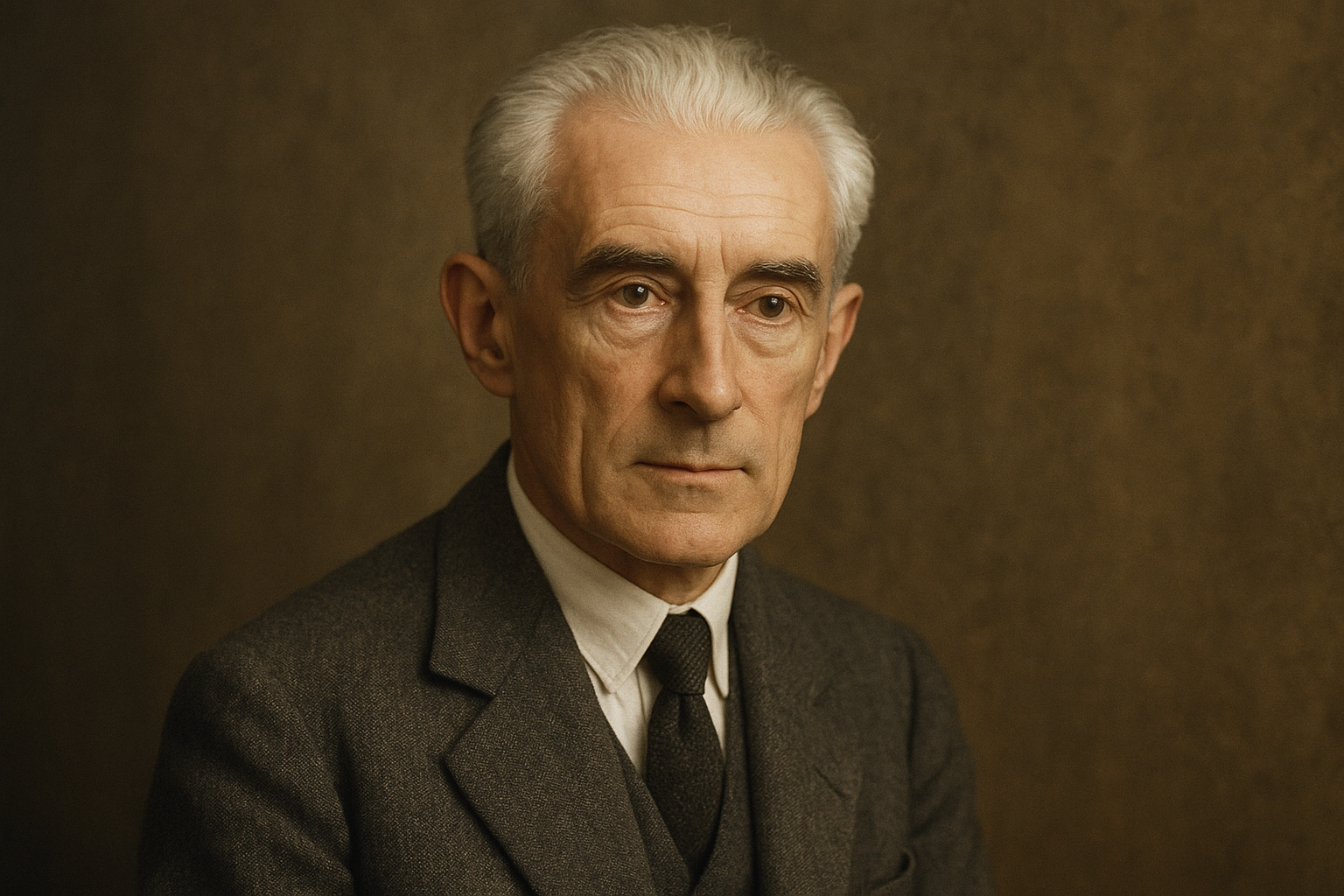
Ravel’s Exquisite Craft: From Boléro to the Subtlety of Daphnis et Chloé
Maurice Ravel occupies a unique position in classical music history. Known for his meticulous attention to detail and innovative orchestrations, Ravel’s work encompasses a spectrum of emotional and auditory experiences. Among his most celebrated compositions are the universally recognized Boléro and the more nuanced and complex Daphnis et Chloé. While both pieces showcase Ravel’s signature style, they also reflect his versatility as a composer. This article explores the creative brilliance behind these two masterpieces, highlighting Ravel’s distinct style and contributions to the world of music.
Boléro: The Unchanging Masterpiece
Commissioned by the Russian ballerina Ida Rubinstein in 1928, Boléro was born from a specific request for a ballet with Spanish musical themes. Remarkably, it took Ravel only a few months to complete the piece. On its composition, Ravel himself commented:
“It is a piece for orchestra without music…I have written one masterpiece, Boléro. Unfortunately, it does not contain any music.”— Maurice Ravel, New York Philharmonic
Despite his modesty, Boléro remains one of the most renowned works for its hypnotic repetition and gradual orchestral build-up. The piece is famous for its singular theme, which grows progressively louder over its 15-minute span, using a kaleidoscope of instrumental color to maintain audience engagement.
- Instrumentation: Ravel’s genius shines through in his orchestration choices, featuring instruments like the flute, oboe, and clarinet, each taking turns to accentuate the theme.
- Repetition: The continuous repetition is not just mechanical but is characterized by evolving textures and dynamics.
When premiered, the reaction was mixed, with some declaring it monotonous while others found it mesmerizing. However, today it is undeniably considered a classic, perfectly encapsulating Ravel’s innovative spirit.
Daphnis et Chloé: A Symphony in Choreography
While Boléro is celebrated for its dramatic simplicity, Ravel’s Daphnis et Chloé is lauded for its complex textures and evocative storytelling. Commissioned by the Ballets Russes and the famous impresario Sergei Diaghilev, this ballet, composed between 1909 and 1912, is a stunning example of Ravel’s orchestral prowess.
The narrative is based on the ancient Greek love story by the poet Longus, and the score is considered Ravel’s most ambitious orchestral work. The composer described it as a “choreographic symphony”, marrying elements of symphonic and dance music.
- Musical Language: Ravel utilizes a wide palette of harmonic colors, leading to a vibrant and impressionistic sound world.
- Orchestration: The piece is noted for its elaborate orchestration, especially its use of extended techniques that create unique soundscapes.
Particularly noteworthy is the famous “Daybreak” section, often cited for its shimmering depiction of dawn and the awakening of nature. This section, with its lush orchestration and ethereal choir, provides a breathtaking representation of romantic awakening.
Connecting the Innovations
What’s fascinating about comparing these compositions is how they exhibit Ravel’s duality as an artist—balancing the simplistic with the complex, the intense with the subtle. Both Boléro and Daphnis et Chloé challenge the listener, whether through relentless repetition or through imaginative and sound-rich storytelling.
Ravel’s influence extends beyond his contemporaries, impacting numerous genres and inspiring a legion of composers and musicians. His ability to cross the boundary between classical and modern, simplistic yet richly diverse, ensures his music continues to resonate profoundly. Whether it’s the obsessive rhthym of Boléro or the lush landscapes of Daphnis et Chloé, Ravel’s work remains a masterclass in musical invention.
As we reflect on Ravel’s body of work, it’s clear that his dedication to detail and innovation continually places him amongst the titans of classical music. Each piece he penned remains a testament to the art of composition and the pianist’s endless potential.
For more on Ravel’s stunning orchestration, delve deeper into sources like the Ravel Association and the many recordings available on major streaming platforms. Whether new to Ravel or a longtime admirer, exploring his works offers an endlessly rich auditory experience.