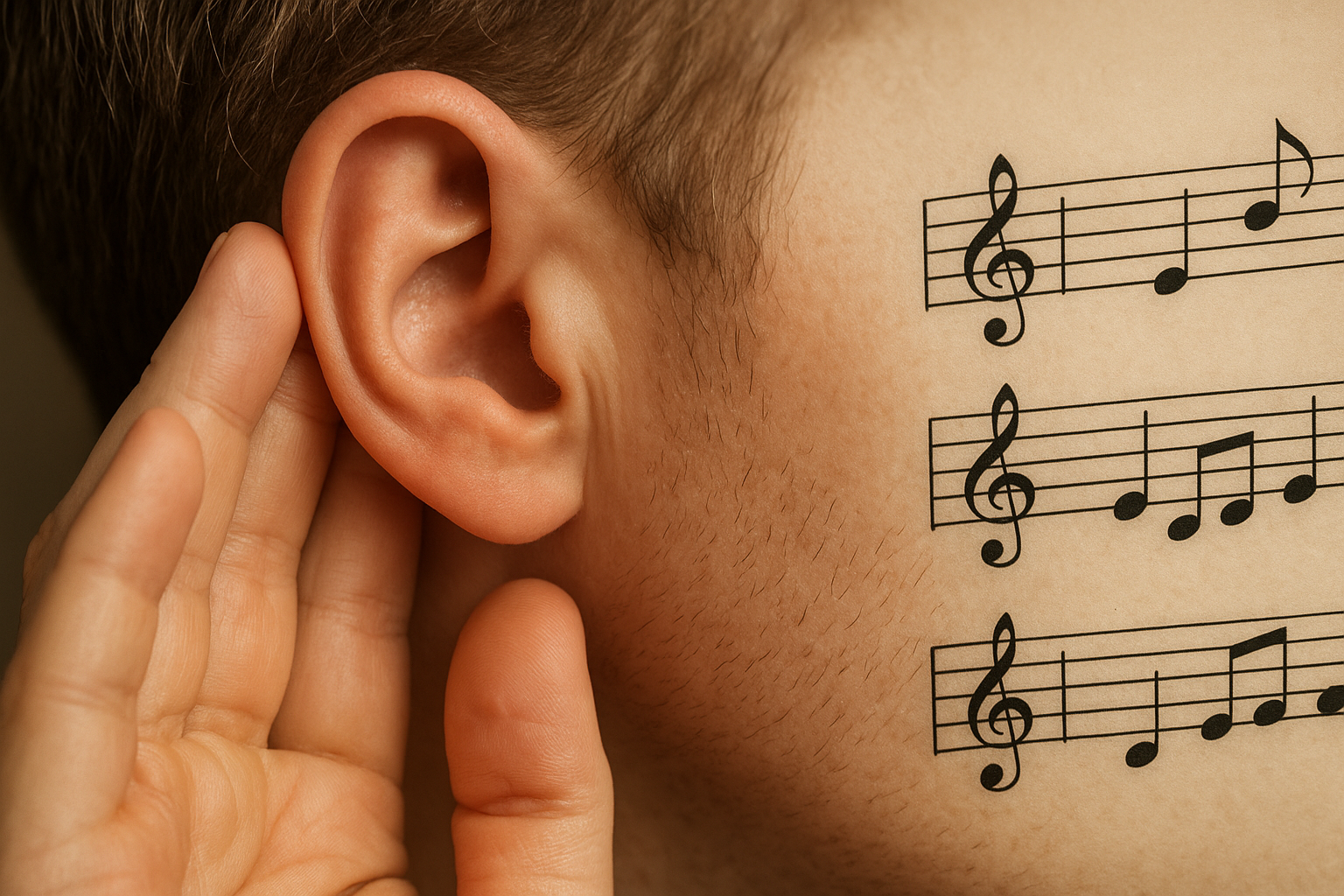
Music has been a profound part of human culture for centuries, capable of evoking powerful emotional responses. Among the most revered forms of music is classical music, celebrated for its harmonious complexities and emotional depth. But what is it about these timeless pieces that resonate so deeply with the human ear? This article explores the intricate science behind our appreciation of harmony in classical music.
The Anatomy of Hearing
The journey of sound begins when vibrations in the air enter the ear, a complex anatomical system consisting of the outer, middle, and inner ear. These vibrations are transformed into electrical signals understood by the brain as sound.
- Outer Ear: Captures sound waves and funnels them through the ear canal to the eardrum.
- Middle Ear: Contains three tiny bones—malleus, incus, and stapes—that amplify sound vibrations.
- Inner Ear: The cochlea, a spiral-shaped organ, converts these vibrations into neural signals transmitted to the brain.
The brain’s auditory cortex then interprets these signals, allowing us to perceive and appreciate music.
Understanding Harmony
Harmony, a core element of music, involves the simultaneous combination of different musical notes. According to experts at the Yale School of Music, harmony enriches melody, adding depth and emotion to music. It plays a critical role in differentiating classical compositions from more modern, melodically focused music styles.
There are several types of harmony, including:
- Consonant Harmony: Produces stable, pleasant sound combinations often found in classical music elements like chords and intervals.
- Dissonant Harmony: Creates tension with unstable or harsh sound combinations, often resolved within the framework of a piece to provide contrast.
Classical composers like Bach, Beethoven, and Mozart masterfully navigated between consonance and dissonance to evoke emotions ranging from tranquility to tension.
“Without music, life would be a mistake.” – Friedrich Nietzsche
The Psychological Impact of Harmony
Music affects the brain by stimulating neurochemical systems and brain structures related to reward, motivation, emotion, and arousal. Classical music, with its rich harmonies and textures, can activate these areas more profoundly than other music genres.
A study from Cambridge University found that listening to harmonious music can reduce stress, lower blood pressure, and enhance mental clarity. These effects are thought to arise because harmonious sounds activate relaxation responses and the release of dopamine, the neurotransmitter associated with pleasure and reward.
Harmony and Emotional Expression
The emotional impact of classical melodies and harmonies is profound. Musicologists argue that harmony can express complex emotions that words fail to convey. Bernstein, in his widely viewed “Young People’s Concerts,” emphasized that music’s emotional impact is universal, cutting across language and cultural barriers.
Composers use harmonic progressions to evoke specific feelings:
- Major chords: Often associated with happiness and brightness.
- Minor chords: Tend to convey sadness or pensiveness.
- Augmented and diminished chords: Create suspense or feelings of mystery.
The subtle interplay of these elements can elicit a wide range of emotional responses from listeners.
The Neuroscience of Musical Harmony
Neuroscience sheds light on why some people find classical music incredibly rewarding. The brain releases endorphins in response to music, similar to those triggered by taste, creativity, and even exercise.
Research conducted by Scientific Reports has demonstrated that complex harmonies in classical music cause synchronizations across brain regions. These synchronized brain activities are consistent with states of higher cognitive functioning, such as those experienced during meditation or problem-solving.
The Cultural Significance of Harmony in Classical Music
Throughout history, the development of harmony in Western classical music reflected broader cultural and philosophical shifts. In the Baroque period, Bach’s complex fugues mirrored the intricate dance of the cosmos in the age of Newtonian physics. During the Classical period, the balance and formality in Mozart’s compositions were in harmony with Enlightenment ideals of order and clarity.
Composer Joseph Haydn was instrumental in developing sonata form, a structure that maximized harmonic tension and resolution, akin to narrative storytelling in literature. Even today, classical harmony remains a profound method of cultural expression, often used in films, theater, and concert settings to evoke emotional nuance and depth.
Conclusion
The science behind our pleasure in classical music’s harmony is deeply rooted in our biology and profound cultural history. It influences how we process emotions, engage with cultural narratives, and find personal meaning in the soundscape of our lives. Whether in a concert hall or streaming through headphones, the harmonious chords of classical music continue to resonate with the human spirit, a testament to its enduring power and beauty.