Thematic Transformation: Liszt’s Innovation and Its Legacy
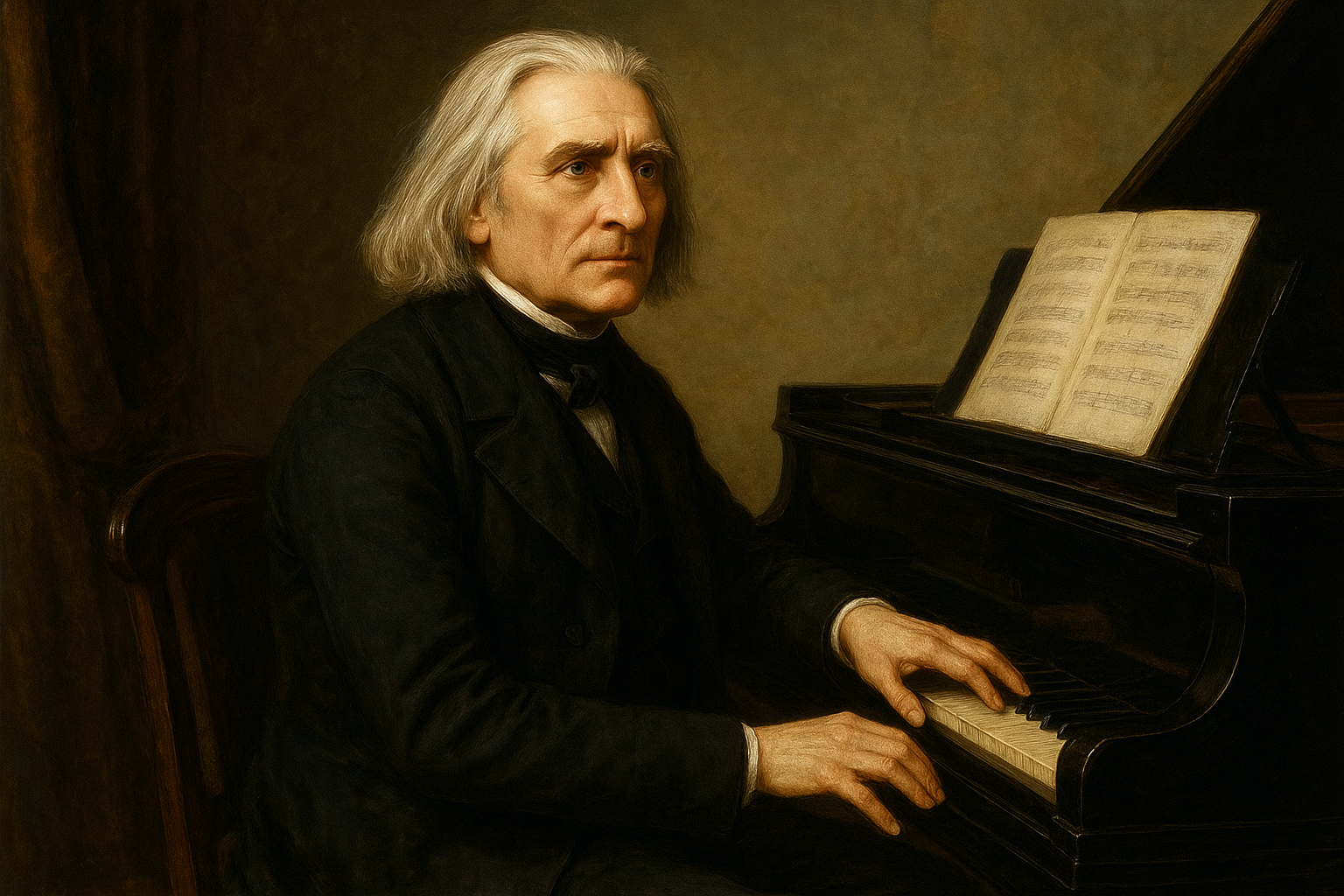
The 19th century was a time of vibrant musical evolution, with artists exploring unprecedented expressive possibilities. Among these visionaries, Franz Liszt stood out not just for his prodigious piano skills but also for his revolutionary approach to composition. Central to his innovation was the technique of thematic transformation, a concept that would profoundly influence the later developments in music.
Understanding Thematic Transformation
Thematic transformation involves taking a single musical theme and altering it in various ways to create different sections within a piece or across multiple works. This process allows a composer to maintain thematic unity while exploring diverse expressive possibilities. Liszt used this technique to develop complex emotional narratives, leading to compositions that were both cohesive and unpredictable.
“Liszt transformed the thematic development into an art form in itself. By adapting a theme through modulation, augmentation, and other alterations, he could convey the myriad hues of human emotion through music,” notes music historian Alan Walker.
The Role of Thematic Transformation in Liszt’s Work
- Symphonic Poems: Liszt’s invention of the symphonic poem, a single-movement orchestral work that illustrates or evokes an extra-musical idea, was largely made possible by thematic transformation. Works like Les Préludes (1854) weave a single motif through various transformations to convey vivid narrative progressions.
- Piano Works: His iconic piano pieces, such as Sonata in B minor, showcase thematic transformation beautifully. In this sonata, Liszt metamorphoses a few core themes to maintain a unified narrative while expressing complex emotional journeys.
Liszt’s ability to extract maximum emotional power from minimal thematic material deeply impressed his contemporaries and inspired future composers to explore similar paths.
The Legacy of Liszt’s Thematic Transformation
Liszt’s innovative approach had a ripple effect across the musical world, influencing future generations of composers. Not only did thematic transformation become a staple in programmatic music, but it also became a valuable tool for modernist and avant-garde composers.
- Richard Wagner: A close friend of Liszt, Wagner adopted thematic transformation processes in his operas. His use of leitmotifs—short, recurring musical phrases associated with specific characters, places, or ideas—stems from Liszt’s innovations.
- Gustav Mahler and Richard Strauss: These composers would create expansive symphonic narratives utilizing an evolving thematic material. Mahler’s symphonies, renowned for their emotional depth and structural complexity, frequently exhibit transformative variations of core motifs.
- Twentieth-century Innovators: Modern composers like Arnold Schoenberg and Alban Berg incorporated thematic transformation into their serial compositions. By doing so, they maintained continuity and expression within an atonal or twelve-tone context.
“What Liszt began as experimentation soon became a universal principle; it fundamentally altered how music could be constructed and experienced,” observes Dr. Julian Johnson, author of Nineteenth-century Music Review.
Liszt’s Enduring Influence
Franz Liszt’s contributions through thematic transformation remain deeply etched in the landscape of classical music. His ability to morph simple themes into elaborate and emotionally resonant compositions has set standard practices in composition and inspired countless musicians. In today’s musical zeitgeist, where thematic transformation continues to find relevance in film scores and contemporary classical music, the enduring impact of Liszt is vividly apparent.
In conclusion, Franz Liszt wasn’t merely an iconic pianist; he was a pioneer whose ideas about thematic transformation echoed and evolved through the works of his successors. By ingeniously weaving thematic transformation into his compositions, Liszt left an indelible mark on music, enriching how narratives are told and themes explored. As listeners and creators continue to draw inspiration from his innovations, the legacy of his genius continues to transform music’s soul.