Deciphering the Ornamentation: Understanding Baroque Embellishments
The Baroque era, spanning from the late 16th century to the early 18th century, is known for its exuberant and opulent artistic expressions. Embellishments in Baroque art, architecture, and music reflect a period that favored grandeur, movement, and drama. These embellishments are pivotal in understanding the cultural and aesthetic dynamics of the time.
The Essence of Baroque Ornamentation
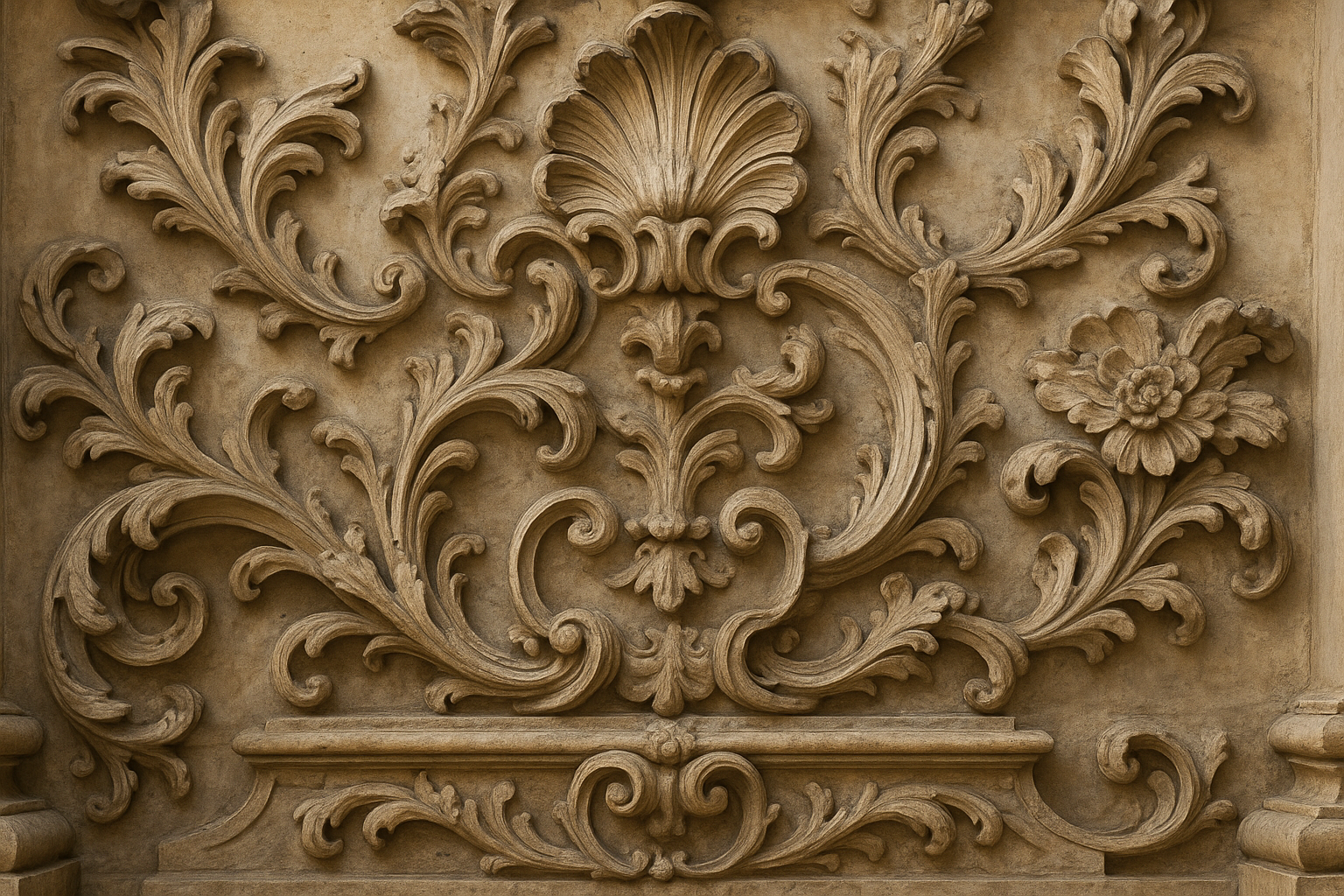
Baroque ornamentation is characterized by its intricate patterns, volutes, and lavish decorations. In architecture and art, ornamentation served not only a decorative purpose but also communicated themes of power and spirituality. As noted by art historian Claudia Swan, “Baroque art manifests dynamic movement and tension, often aiming to evoke an emotional response from the viewer.”
Key Features of Baroque Embellishments
- Complexity: Intricate designs and elaborate flourishes were crafted to demonstrate both technical skill and aesthetic richness.
- Contrast and Movement: Baroque art often featured dramatic contrasts in light and dark, as seen in the chiaroscuro technique, creating a sense of motion.
- Decorative Motifs: Common motifs included florals, shells, and other natural forms that conveyed a sense of life and vitality.
Baroque Ornamentation in Architecture
Baroque architecture is renowned for its grandiose facades and layered textures. Borrowing elements from classical architecture, Baroque architects transformed these into more dynamic expressions.
“In Baroque architecture, new emphasis was placed on bold massing, colonnades, domes, light-and-shade ‘painterly’ color effects, and the bold play between solids and voids.”
One prominent example is the St. Peter’s Basilica in Vatican City. The basilica’s grand scale, coupled with intricate interior decor, reflects the Baroque ideals of splendor and divine power.
Baroque Ornamentation in Music
In the realm of music, Baroque composers like Johann Sebastian Bach and Antonio Vivaldi employed ornamentation to express emotion and complexity. Musical embellishments, such as trills, turns, and mordents, were commonly used to add expressive depth and virtuosity to performances.
Music theorist Johann Joachim Quantz stated in his treatise On Playing the Flute, those who apply embellishments well, provide the composition with grace and fire
.
The intricacies of Baroque music ornamentation require performers to possess not only technical skill but also a profound interpretative sense that understands the emotive intentions behind each embellishment.
Understanding Baroque Ornamentation Today
In contemporary culture, the Baroque style continues to influence various artistic domains, including fashion, design, and classical music performance. Organizations like Exclusively Baroque aim to educate and perform works from the Baroque period, preserving its ornamental legacy.
Baroque embellishments remain a study of contrasts—at once accessible and deeply sophisticated, ornate and steeped in profound emotional and cultural narratives. Through understanding these embellishments, both scholars and enthusiasts gain insight into the ethos of an era marked by transformation and artistic innovation.